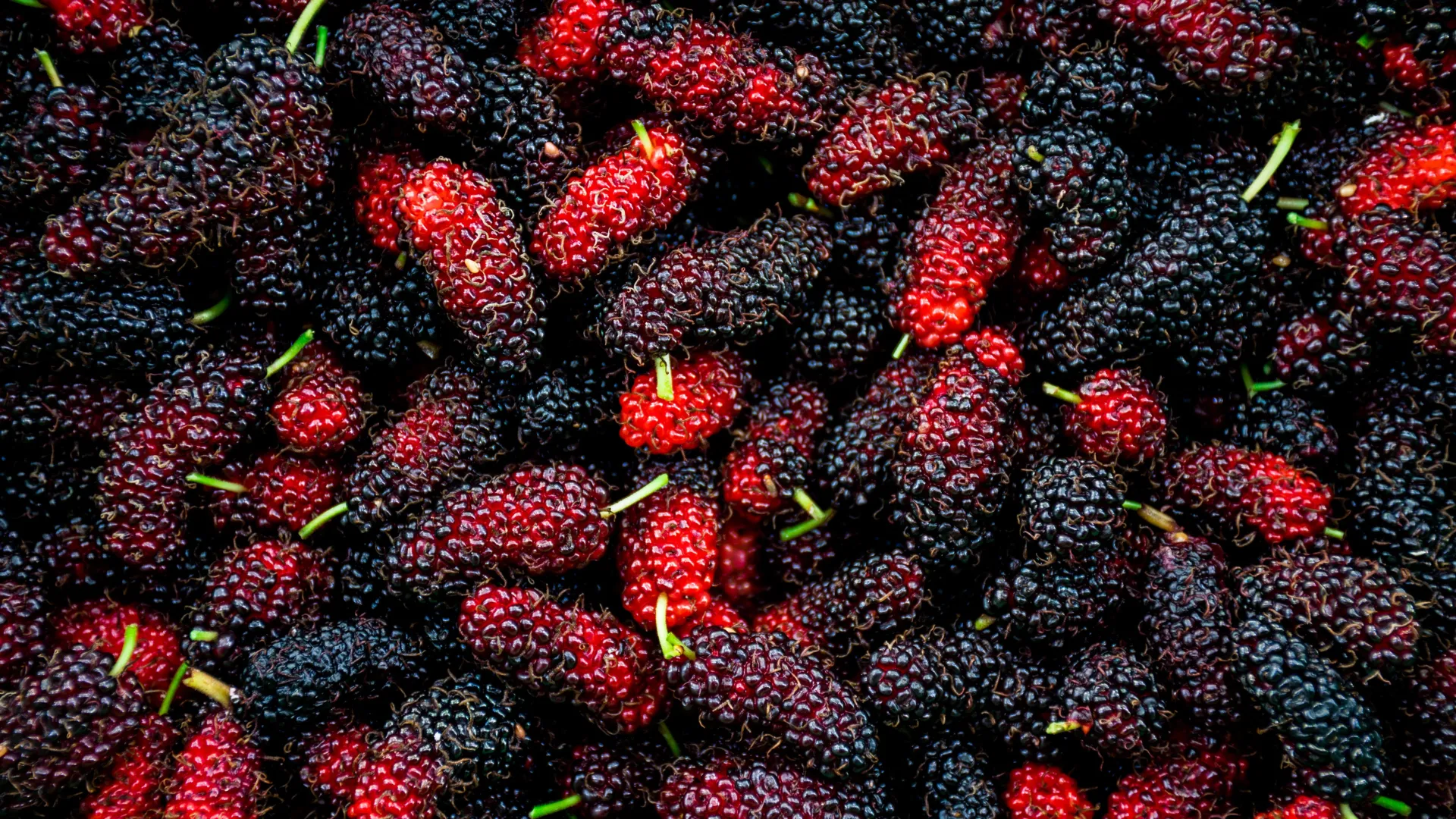
For centuries, the mulberry plant has been a staple in both culinary traditions and the pharmacopoeia of traditional healing systems, its leaves and fruits consumed for sustenance and perceived medicinal properties. Emerging scientific inquiry is now delving into the possibility that specific constituents within mulberry might possess the capacity to influence the intricate community of microorganisms residing in the human gut, known as the gut microbiota, and by extension, impact the body’s metabolic processes. A comprehensive review undertaken by a team of researchers from Wroclaw Medical University in Poland suggests that the precise effects observed are likely to be highly nuanced, contingent upon a variety of factors including the specific species of mulberry utilized, the particular part of the plant subjected to study, and the methods employed in its preparation and processing.
Professor Anna Prescha, a distinguished figure at Wroclaw Medical University’s Department of Dietetics and Bromatology, elucidates the profound connection between the gut’s microbial inhabitants and systemic health, stating, "The gut microbiota not only plays a crucial role in the optimal functioning of the gastrointestinal tract but also exerts significant influence over metabolic regulation across the entire organism. Mulberry stands out as a particularly compelling subject in this context due to its rich endowment of numerous bioactive compounds, notably polyphenols and polysaccharides. These diverse phytochemicals possess the potential to engage in intricate interactions with the resident gut microorganisms."
The scientific investigation into mulberry’s biological activities has, to date, predominantly focused on the white mulberry species, Morus alba. However, findings from studies involving the black mulberry, Morus nigra, particularly its fruit, have also yielded noteworthy results, indicating a spectrum of potential benefits.
Delving deeper into the plant’s composition, mulberry leaves are recognized for harboring a range of biologically active substances, including 1-deoxynojirimycin (DNJ). This compound is already established for its role in modulating carbohydrate metabolism. In addition to DNJ, mulberry leaves are a source of various polyphenols and polysaccharides. Conversely, the fruit of the black mulberry is particularly distinguished by its abundant content of anthocyanins, potent antioxidants, and other phenolic compounds, alongside significant quantities of polysaccharides.
The transformative power of processing methods cannot be overstated when considering mulberry’s biological potential. Techniques such as drying, fermentation, and various extraction protocols can significantly alter both the quantity and the relative proportions of these bioactive compounds. Consequently, two distinct preparations derived from the same initial plant material could exhibit considerable disparities in their chemical makeup and, as a result, their biological effects.
The collective findings from research reviews indicate that preparations derived from both mulberry leaves and fruit have the capacity to elicit changes in the composition and functional activity of the gut microbiota. Certain experimental studies have documented an augmentation of beneficial bacterial populations, coupled with an increased production of short-chain fatty acids (SCFAs) such as acetate, propionate, and butyrate. These SCFAs are metabolic byproducts generated when gut microbes ferment dietary components and are fundamental to maintaining healthy intestinal function. In some experimental contexts, these observed alterations in the microbial landscape have been associated with improvements in physiological markers related to glucose and lipid metabolism.
However, it is crucial to note that the outcomes have not been uniformly consistent across all tested preparations. The specific source material and the precise methodology of its processing have emerged as critical determinants of the observed effects. As an illustration, consider the polysaccharides found in black mulberry fruit. Researchers employing different extraction techniques have successfully isolated fractions with distinct molecular structures and varying degrees of susceptibility to utilization by gut microbes. Notably, fractions obtained through water extraction and enzymatic treatment with pectate lyase demonstrated the most pronounced prebiotic potential, suggesting their capacity to selectively stimulate the growth of beneficial bacteria.
Similarly, investigations into polysaccharides derived from mulberry leaves underscore the importance of structural characteristics. Features such as molecular weight and the composition of monosaccharides within these polysaccharides appear to dictate which bacterial species can effectively utilize them as a substrate, and consequently, which SCFAs are ultimately produced. This highlights a complex interplay between the plant’s molecular architecture and the metabolic capabilities of the gut microbiome.
Some of the most compelling insights have emerged from investigations employing more complex, multi-component mulberry preparations. In experimental models involving mice subjected to a high-fat diet, a fraction derived from white mulberry fruit that contained a synergistic combination of both polyphenols and polysaccharides yielded more favorable shifts in the gut microbiota compared to either polyphenols or polysaccharides administered individually. These microbial modifications were accompanied by improvements in several physiological parameters associated with metabolic syndrome and overall intestinal health.
Further substantiating these findings, researchers conducted a microbiota transplantation experiment utilizing the same animal model. The gut microbiota from mice that had received the combined mulberry fraction was subsequently transferred to a new cohort of animals. These recipient mice also exhibited amelioration of certain metabolic disturbances, providing compelling evidence that the observed benefits of the mulberry preparation may be mediated, at least in part, through its influence on the gut microbial ecosystem.
Professor Prescha emphasizes the significance of this holistic perspective, stating, "These findings strongly suggest that it is not merely the presence of an individual compound that is paramount, but rather the intricate composition of the preparation, the precise proportions of its constituent compounds, and their synergistic interactions. Therefore, rather than pursuing a singular, universal product, it is more fruitful to identify specific combinations of mulberry species, plant parts, chemical compositions, and processing methodologies that yield desired biological effects."
The genesis of this particular research endeavor can be traced back to an innovative idea proposed by students within the Nutri-Sfera Student Research Group at Wroclaw Medical University’s Department of Dietetics and Bromatology. The research topic was initially put forth by Marta Miszczak, a student from the Dietetics program, and Karolina Łosowska-Buryło, a student from the Pharmacy program, both of whom have since graduated. Their involvement was instrumental in fostering an interdisciplinary approach, bridging nutritional science and pharmaceutical perspectives to examine mulberry and its impact on the gut microbiota. Professor Prescha notes, "This initiative aligned perfectly with the inherently interdisciplinary nature of our research. It successfully integrated a viewpoint focused on mulberry as a plant material with a specific chemical profile with a detailed analysis of its potential physiological effects on the microbiota and metabolism."
Despite the promising results garnered from experimental studies, a critical gap remains in our understanding: the absence of direct human trials. Researchers have yet to conduct investigations that specifically assess how various mulberry preparations influence the gut microbiota in human subjects. The current body of evidence is largely derived from studies conducted on animal models and in vitro laboratory experiments. Furthermore, comparing findings across different studies is often hampered by a relative scarcity of investigations that meticulously combine biological observations with a thorough chemical characterization of the precise mulberry preparations employed.
Professor Prescha cautions, "While the available findings are encouraging, at this juncture, they do not definitively establish whether the relationships observed in experimental models between mulberry preparations, the microbiota, and metabolism are replicated in humans." Future clinical trials, researchers contend, will necessitate the use of carefully characterized and standardized mulberry preparations. Such controlled studies hold the key to elucidating how different mulberry products impact the human gut microbiota, the magnitude of these effects, and whether they translate into tangible health benefits.
A brief summary of key takeaways from the research includes the observation that mulberry leaves and fruit harbor distinct compounds, with leaves containing DNJ, linked to carbohydrate metabolism, while black mulberry fruit is notably rich in anthocyanins. Processing methods demonstrably alter mulberry’s biological activities, with even preparations from the same plant part exhibiting varied effects based on extraction or fermentation techniques. In experimental settings, the combination of mulberry compounds has sometimes yielded more potent effects than individual components, as seen in mice where a blend of polyphenols and polysaccharides from white mulberry fruit induced greater beneficial microbial shifts than either fraction alone. The gut microbiota may also serve as a conduit for these effects, as evidenced by experiments where the transfer of microbiota from mice treated with a mulberry preparation led to improvements in metabolic disturbances in recipient animals. The most significant unresolved question, however, remains the translation of these experimental findings to human physiology, with a notable lack of direct human studies investigating mulberry’s impact on the gut microbiota.
About the Author