
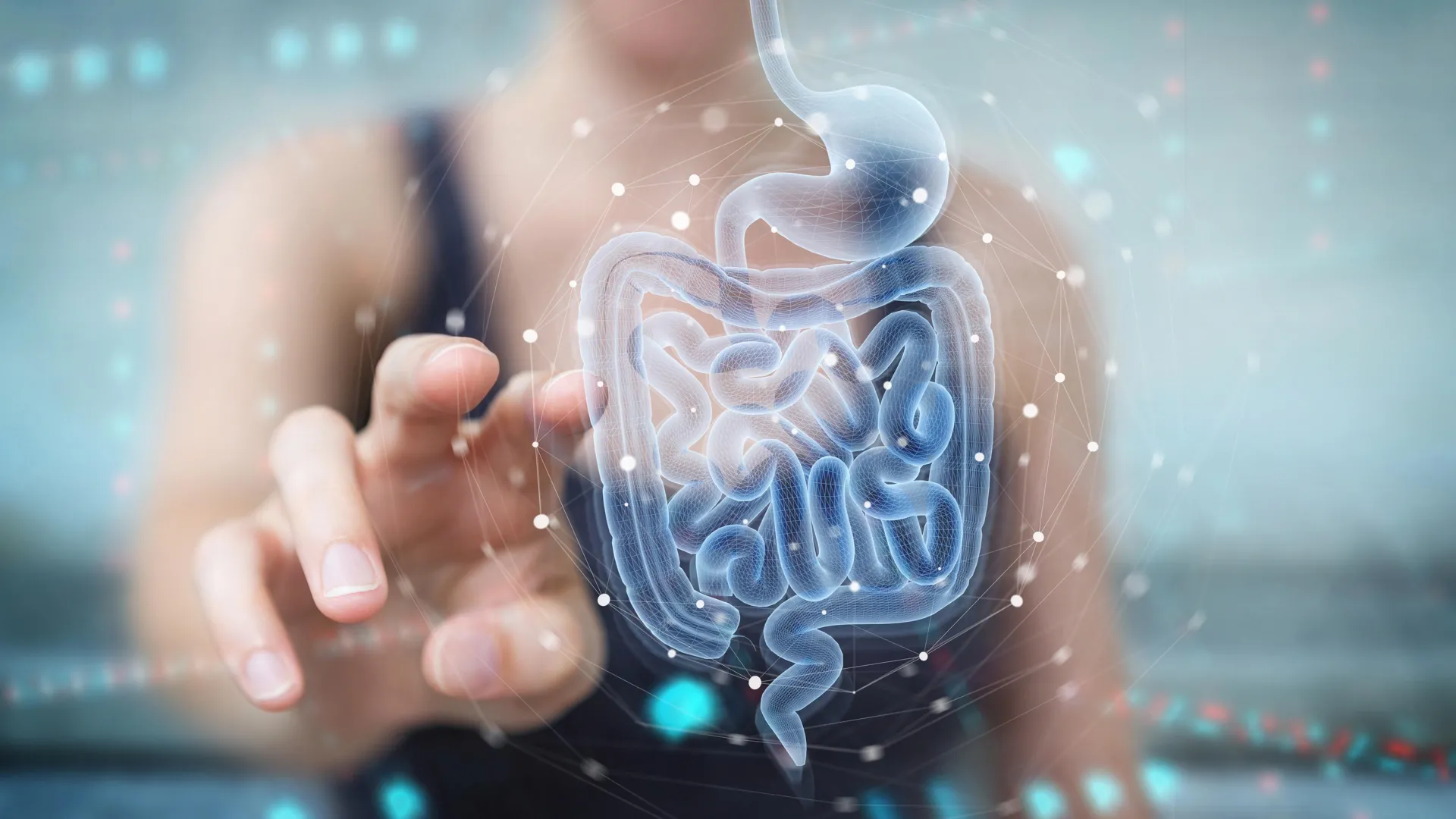
Scientists at the University of Louisville have pinpointed a naturally occurring compound, a byproduct of gut bacteria processing dietary components, that demonstrates a remarkable capacity to fortify the intestinal barrier and potentially pave the way for novel therapeutic strategies against inflammatory bowel diseases (IBD). This discovery sheds new light on the intricate interplay between our diet, the trillions of microbes residing within our digestive tracts, and the fundamental mechanisms that govern gut health.
Inflammatory bowel diseases, a spectrum of chronic conditions encompassing Crohn’s disease and ulcerative colitis, afflict millions globally, characterized by persistent inflammation and progressive damage to the delicate intestinal lining. The gut’s primary function is to act as a selective gateway, facilitating the absorption of vital nutrients while simultaneously preventing the translocation of potentially harmful microorganisms and their byproducts into the bloodstream. In individuals suffering from IBD, this crucial barrier function is compromised, leading to a cascade of detrimental effects including chronic pain, malabsorption, and the development of severe long-term complications.
The focus of this groundbreaking research is a molecule known as urolithin A, or UroA. This compound is not directly consumed but rather synthesized by specific gut bacteria following the metabolic breakdown of ellagitannins, polyphenolic compounds abundantly found in foods such as pomegranates, walnuts, and various berries. The research team, spearheaded by Dr. Venkatakrishna Rao Jala, an associate professor in the Department of Microbiology and Immunology and a researcher at UofL’s Brown Cancer Center, delved into the precise mechanisms by which UroA exerts its beneficial effects on the intestinal environment.
Their comprehensive investigation, recently published in the esteemed journal Nature Communications, unraveled a critical pathway mediated by the aryl hydrocarbon receptor (AHR). The AHR functions as a sophisticated cellular sensor, capable of detecting a wide array of molecular signals originating from external sources, including environmental toxins, dietary constituents, and the metabolic output of gut microbes. While previous scientific endeavors had established that AHR activation by certain environmental pollutants could precipitate adverse health outcomes, its role when stimulated by beneficial dietary compounds remained less clearly defined, creating a puzzle regarding the divergent effects.
The University of Louisville team’s findings offer a compelling explanation for this dichotomy, suggesting that the ultimate consequence of AHR activation is contingent upon both the specific cellular context and the intensity of the receptor’s engagement. Their research demonstrates that UroA preferentially engages and activates the AHR within intestinal epithelial cells, the specialized cellular units that constitute and protect the integrity of the gut lining. This targeted activation appears to be the linchpin in transforming a potentially inflammatory signaling cascade into one that actively promotes healing and protection.
Upon activation by UroA in these critical epithelial cells, the AHR initiates a downstream cascade that culminates in the engagement of the NLRP6 inflammasome. Inflammasomes are multiprotein complexes traditionally associated with initiating potent inflammatory responses, often implicated in the pathogenesis of inflammatory diseases. However, this study reveals a nuanced role for the NLRP6 inflammasome, demonstrating its capacity to orchestrate a protective cellular response when appropriately triggered.
In the context of UroA’s action, the activated NLRP6 inflammasome in intestinal epithelial cells prompts the controlled release of specific signaling molecules. These molecules, rather than exacerbating inflammation, are instrumental in orchestrating the restoration of normal intestinal function. Their concerted action leads to the repair of damaged epithelial tissues, the reinforcement of the intestinal barrier’s structural integrity, an augmentation in the production of protective mucus layers that lubricate and shield the gut lining, and an enhancement of localized antimicrobial defenses. Crucially, this process serves to bolster resilience without inadvertently fueling further inflammatory damage.
This work represents a significant milestone, marking the first time researchers have elucidated how a naturally derived compound, synthesized by the gut microbiome, can synergize with the body’s innate defense and repair systems to modulate complex molecular and cellular processes essential for intestinal recovery following injury. This sophisticated interaction holds immense promise for preserving gut health and mitigating tissue damage associated with various gastrointestinal ailments.
"Our findings fundamentally challenge the simplistic notion that all inflammatory pathways are inherently detrimental," explained Dr. Sweta Ghosh, who was a postdoctoral researcher in Dr. Jala’s laboratory and served as the lead investigator for this study. "It is becoming increasingly clear that, under precisely defined conditions and within specific cellular environments, these pathways are not only non-harmful but are, in fact, indispensable for maintaining gut homeostasis and facilitating tissue regeneration."
The research team employed a multifaceted approach to validate their hypotheses, utilizing a combination of in vitro cell culture experiments, sophisticated organoid models that mimic the architecture and function of the gut, and the direct examination of intestinal tissue samples obtained from patients diagnosed with IBD. Remarkably, analysis of these human patient samples revealed that UroA successfully engaged the same protective pathway that had been observed in the experimental models, lending strong credence to the translational potential of these findings.
The implications of this discovery are far-reaching, suggesting a paradigm shift in the therapeutic landscape for IBD and other gastrointestinal disorders. Future treatment strategies could move beyond broad immunosuppression, which carries significant side effects, towards highly targeted interventions that selectively modulate specific protective pathways within defined cell populations. This precision medicine approach promises to offer greater efficacy with a reduced risk profile.
"This study significantly advances our understanding of how the complex interplay between our diet, the resident gut microbiota, and our own physiological systems can profoundly influence the trajectory of disease processes," stated Dr. Jala. "By precisely identifying this specific protective pathway, we are opening avenues for the development of more refined therapeutic interventions that aim to restore intestinal equilibrium rather than broadly dampening the immune system’s response."
This latest research builds upon Dr. Jala’s prior investigations, which had already highlighted the beneficial effects of UroA in the gut. The current work significantly deepens that understanding by providing a detailed molecular explanation for how UroA interacts with the immune system to foster and maintain intestinal health, offering a beacon of hope for improved management and treatment of debilitating gut conditions.
About the Author












