
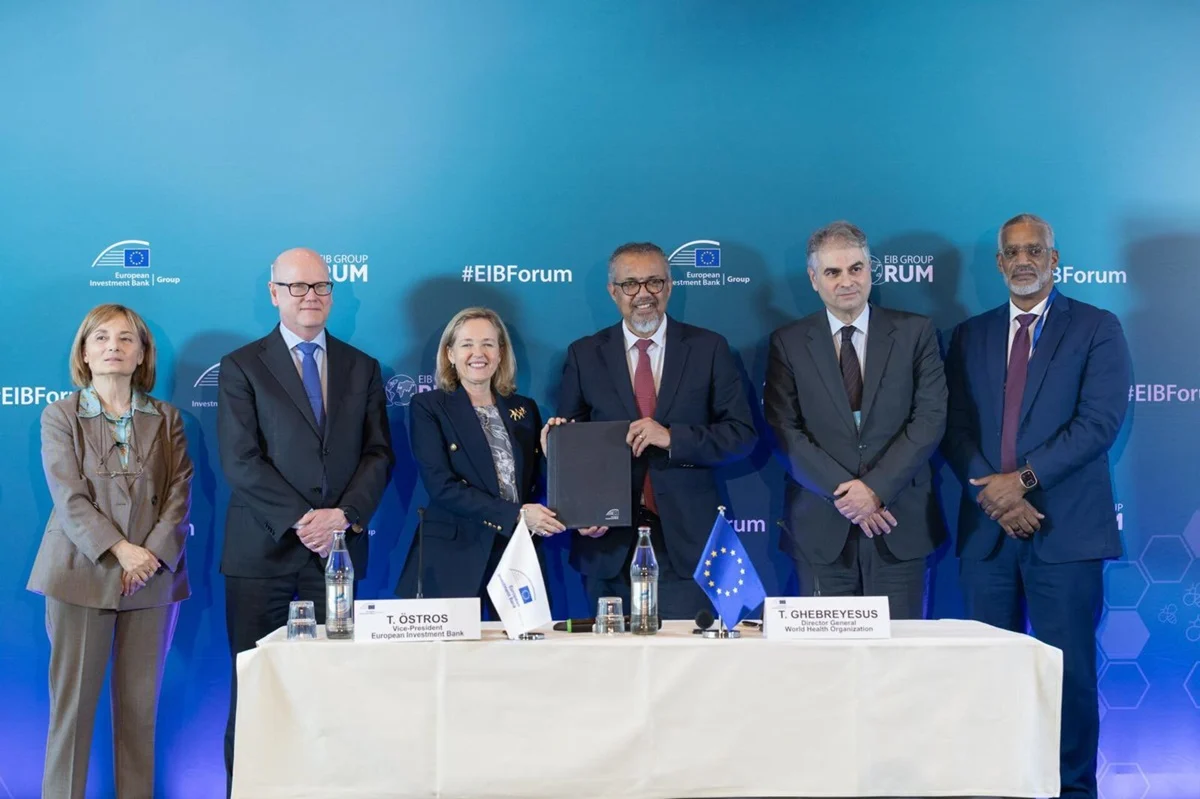
A significant multilateral initiative aimed at bolstering Lebanon’s critically strained public health infrastructure and providing essential care for its most vulnerable citizens was formalized on March 6, 2025, in Luxembourg. Leaders from the World Health Organization (WHO) and EIB Global, the European Investment Bank’s arm for activities outside the European Union, convened at the EIB Group Forum to sign an agreement pledging €10 million in grant funding. This crucial financial injection is earmarked for two primary objectives: the comprehensive re-establishment of Lebanon’s Central Public Health Laboratory and the prioritization of medication supply and direct healthcare assistance for over 50,000 individuals grappling with severe chronic conditions, including diabetes, cardiovascular ailments, and various forms of cancer.
The signing ceremony, attended by Dr. Tedros Adhanom Ghebreyesus, the Director-General of the World Health Organization, and Thomas Östros, Vice-President of the European Investment Bank Global, underscored a shared commitment to addressing the profound humanitarian and health challenges facing Lebanon. The nation has been navigating an unprecedented multi-layered crisis, characterized by deep economic recession, political instability, and the devastating aftermath of the 2020 Beirut port explosion, which collectively have brought its once-robust healthcare system to the brink of collapse. The confluence of these factors has severely eroded public services, triggered a mass exodus of medical professionals, and rendered essential medicines largely inaccessible or unaffordable for a significant portion of the population.
At the heart of this new initiative lies the revitalization of the Central Public Health Laboratory (CPHL). A fully functional national laboratory is the bedrock of any resilient public health system, serving as the frontline defense against infectious diseases and a critical pillar for public health surveillance. Before the current crisis, Lebanon’s CPHL faced significant operational challenges, which were exacerbated by the economic downturn, leading to shortages in vital equipment, reagents, and trained personnel. Its re-establishment through this grant will enable the country to significantly enhance its diagnostic capabilities for a wide spectrum of pathogens, improve disease surveillance for early warning and rapid response to potential outbreaks, and conduct essential quality control on pharmaceuticals and vaccines. Without a robust CPHL, a nation remains vulnerable to health emergencies, unable to accurately track disease prevalence, monitor antibiotic resistance, or ensure the safety and efficacy of medical supplies circulating within its borders. The investment in this facility is therefore not merely a renovation project but a strategic effort to rebuild a fundamental component of Lebanon’s national health security, providing vital data and analytical capacity for evidence-based public health policy and interventions.
Equally critical is the program’s focus on supporting over 50,000 individuals living with chronic non-communicable diseases (NCDs). These conditions, such as diabetes, hypertension, and cancer, require continuous medication, regular medical monitoring, and often specialized care. In Lebanon, the economic crisis has led to severe devaluation of the local currency, making imported medicines prohibitively expensive, while supply chain disruptions have created critical shortages of life-saving drugs. Patients who once managed their conditions are now often forced to choose between medication, food, or shelter, leading to devastating health outcomes, increased morbidity, and premature mortality. The €10 million grant aims to alleviate this immense burden by ensuring a consistent supply of essential medicines and providing direct healthcare support to these identified vulnerable populations. This targeted intervention is designed to prevent complications, improve quality of life, and reduce the overwhelming strain on families and the already beleaguered healthcare system. The long-term implications of untreated chronic diseases extend beyond individual suffering, impacting national productivity and further overwhelming emergency services.
The collaboration between the World Health Organization and EIB Global represents a potent synergy of technical expertise and financial leverage. The WHO brings unparalleled global health leadership, extensive experience in public health emergencies, and a deep understanding of health system strengthening, particularly in fragile contexts. Its technical guidance will be instrumental in ensuring the CPHL’s reconstruction adheres to international standards and that chronic disease management protocols are effective and sustainable. EIB Global, as the development arm of the European Investment Bank, specializes in financing projects that foster sustainable development outside the EU. While the EIB typically provides loans, its engagement in this grant initiative reflects the exceptional circumstances in Lebanon, recognizing the urgent need for direct humanitarian and capacity-building aid that traditional lending might not address. This partnership highlights a broader commitment by the European Union and its institutions to support stability and recovery in the wider Middle East region, acknowledging that robust health systems are foundational to societal resilience and economic revival.
The EIB Group Forum, where the agreement was signed, traditionally serves as a platform for high-level discussions on global challenges, sustainable finance, and international partnerships. The choice of this venue for the signing underscores the strategic importance both organizations place on this initiative for Lebanon. It also signals to the international community the critical need for continued, coordinated support to help Lebanon navigate its complex crisis. The grant is not merely a financial transaction but a tangible expression of solidarity and a strategic investment in the long-term health and stability of the Lebanese population.
The implications of this €10 million grant extend beyond the immediate provision of services. By re-establishing the CPHL, Lebanon will regain a vital tool for preventing and responding to future health crises, from emerging infectious diseases to environmental health threats. This institutional strengthening is crucial for rebuilding national capacity and fostering self-reliance. Similarly, the support for chronic disease patients offers more than just medication; it provides hope and demonstrates a commitment to the welfare of individuals who have often felt abandoned amidst the crisis. It underscores the principle that access to essential healthcare is a fundamental human right, even in the most challenging environments.
However, it is important to acknowledge that while this grant represents a significant step forward, it is part of a much larger, ongoing effort required to comprehensively address Lebanon’s public health challenges. The country continues to grapple with systemic issues, including a fragmented healthcare system, insufficient public spending on health, and the ongoing brain drain of medical talent. Sustained international engagement, coupled with domestic reforms, will be essential for building a truly resilient and equitable health system capable of serving all Lebanese citizens. This initiative by WHO and EIB Global serves as a powerful testament to the impact that targeted, collaborative action can have in alleviating suffering and laying the groundwork for recovery in nations facing profound adversity. It provides a blueprint for how global institutions can effectively pool resources and expertise to deliver critical support where it is most desperately needed, offering a beacon of hope for thousands of individuals and reinforcing the fundamental infrastructure of a nation in distress.
About the Author












