
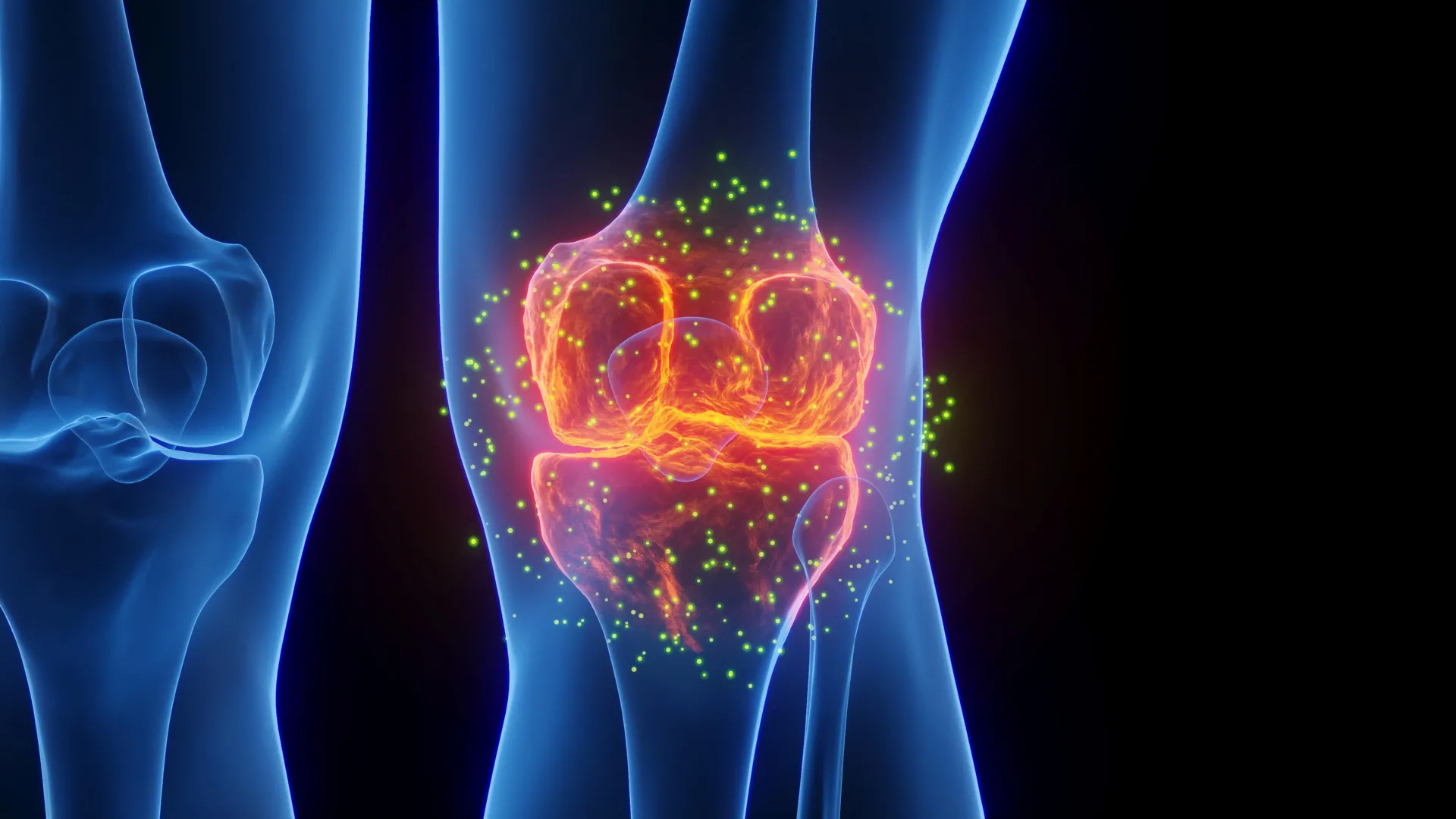
The modern global diet has undergone a profound transformation, increasingly incorporating items characterized by extensive industrial processing. A recent scientific inquiry has shed light on a previously underappreciated consequence of this dietary shift, establishing a compelling association between high consumption of ultra-processed foods (UPFs) and the accumulation of adipose tissue within the musculature of the thighs. This phenomenon, known as intramuscular fat, is identified as a potential precursor to the development or exacerbation of knee osteoarthritis, a debilitating degenerative joint condition. The groundbreaking findings, which delve into the nuanced relationship between dietary quality and physiological composition, were recently unveiled in Radiology, a distinguished journal published by the Radiological Society of North America (RSNA).
Leading the investigative team, Dr. Zehra Akkaya, a researcher and consultant affiliated with the Clinical & Translational Musculoskeletal Imaging group at the University of California, San Francisco, Department of Radiology and Biomedical Imaging, underscored the pervasive nature of this dietary trend. Dr. Akkaya articulated that, over several decades, there has been a noticeable decline in the incorporation of whole, natural ingredients in typical dietary patterns. This void has progressively been filled by industrially manufactured food and beverage products, often engineered with artificial flavors, colors, and chemically modified components, collectively categorized as ultra-processed foods. This shift, she noted, has unfolded in parallel with a disconcerting global escalation in the prevalence of both obesity and knee osteoarthritis, suggesting a potential underlying connection.
The study’s revelations are particularly significant because they transcend conventional metrics of health, such as body weight or total caloric intake. Researchers observed that even after meticulously adjusting for factors like overall calorie and fat consumption, participants’ physical activity levels, and various sociodemographic variables, a higher reported intake of ultra-processed foods consistently correlated with elevated levels of fat infiltration within their thigh muscles. This observation suggests that the qualitative aspect of one’s diet—specifically, the degree of food processing—plays a distinct and independent role in shaping body composition and potentially influencing musculoskeletal health.
Understanding Ultra-Processed Foods and Their Design
To fully grasp the implications of these findings, it is crucial to define what constitutes an ultra-processed food and why its consumption has become so widespread. The NOVA classification system, widely adopted by nutritional science, categorizes foods based on the extent and purpose of industrial processing they undergo. UPFs represent the fourth and most processed category. These are typically industrial formulations made primarily from substances extracted from foods (oils, fats, sugar, starches, proteins), derived from food constituents (hydrogenated fats, modified starches), or synthesized in laboratories (flavor enhancers, colorants, emulsifiers, sweeteners). They are often characterized by a high content of sugar, unhealthy fats, and sodium, alongside a deficiency in fiber and micronutrients.
Beyond their ingredient list, UPFs are meticulously engineered for specific sensory and behavioral outcomes. They are crafted for maximum convenience, offering ready-to-eat or heat-and-serve solutions that fit seamlessly into fast-paced lifestyles. Their appeal is further amplified by carefully calibrated flavor profiles, often combining sweet, salty, and fatty elements in synergistic ways that are inherently pleasurable. This design strategy aims to activate the brain’s reward pathways, fostering a hedonic response that can make these foods remarkably difficult to resist and can promote overconsumption. Furthermore, their extended shelf life reduces food waste and logistical challenges, making them economically attractive for manufacturers and retailers. Common examples include mass-produced packaged breads, breakfast cereals, processed meats like hot dogs, frozen pizzas, many snack foods, carbonated soft drinks, and most pre-made desserts.
The Silent Threat of Intramuscular Fat (IMAT)
The study’s focus on intramuscular fat, or intramuscular adipose tissue (IMAT), highlights a "hidden" aspect of metabolic health. Unlike subcutaneous fat (found just beneath the skin) or visceral fat (surrounding internal organs), IMAT refers to lipid deposits directly interspersed within muscle fibers. While some level of IMAT is normal, excessive accumulation is increasingly recognized as a marker of metabolic dysfunction. This fatty infiltration can compromise muscle quality, reducing its strength, endurance, and overall functional capacity. From a physiological perspective, IMAT is not merely inert storage; it is metabolically active, capable of releasing inflammatory cytokines and adipokines. These substances can contribute to systemic low-grade inflammation, insulin resistance, and oxidative stress, thereby impacting various physiological systems, including joint health.
The diagnostic methodology employed in the study involved the use of non-enhanced Magnetic Resonance Imaging (MRI) scans. This imaging technique allowed researchers to visualize and quantify the extent of fatty degeneration within muscle tissue. On MRI images, this appears not as a uniform muscle structure, but rather as distinct streaks and patches of fat interwoven among muscle fibers. Dr. Akkaya highlighted the practical significance of this choice, noting that non-enhanced MRI is a widely available and less costly technology compared to advanced imaging modalities. This accessibility makes the approach highly practical for integration into routine clinical assessments and subsequent large-scale research initiatives, facilitating broader application of these findings.
Knee Osteoarthritis: A Global Health Challenge
Knee osteoarthritis is a chronic, progressive condition characterized by the breakdown of cartilage in the knee joint, leading to pain, stiffness, and reduced mobility. It represents a significant global health burden, affecting millions worldwide and incurring substantial healthcare costs. Dr. Akkaya emphasized that OA constitutes one of the largest non-cancer-related healthcare expenditures globally, underscoring the urgent need for effective preventive and management strategies. The condition is strongly associated with modifiable risk factors, particularly obesity and suboptimal lifestyle choices.
The link between intramuscular fat and knee osteoarthritis is multifaceted. Healthy, strong muscles around the knee joint are crucial for stability, shock absorption, and efficient movement. When muscles are compromised by excessive IMAT, their ability to perform these functions diminishes. This reduced muscular support can lead to increased mechanical stress on the articular cartilage and other joint structures, accelerating the degenerative process characteristic of OA. Furthermore, the pro-inflammatory environment generated by adipose tissue, including IMAT, can directly contribute to cartilage degradation and joint inflammation, creating a vicious cycle that perpetuates the disease. The study’s findings thus provide a novel mechanistic pathway through which dietary choices, specifically UPF consumption, could contribute to OA pathogenesis by adversely affecting muscle quality.
The Osteoarthritis Initiative: A Foundation for Discovery
The present study drew its data from 615 participants enrolled in the Osteoarthritis Initiative (OAI), a comprehensive, nationwide research program spearheaded by the National Institutes of Health. The OAI’s overarching mission is to deepen scientific understanding of the natural history of knee osteoarthritis, from its earliest subclinical stages to its advanced manifestations, with the ultimate goal of identifying effective prevention and treatment modalities. The participants included in this specific analysis (275 men and 340 women) had an average age of 60 years and a mean Body Mass Index (BMI) of 27, placing the typical individual in the overweight category. Crucially, none of these participants exhibited radiographic signs of osteoarthritis at the initial time of their imaging assessment, making them an ideal cohort for investigating early risk factors.
The dietary habits of these participants, assessed over the preceding year, revealed a concerning statistic: approximately 41% of their reported food intake was classified as ultra-processed. This high percentage reflects a broader societal trend and highlights the widespread presence of UPFs in contemporary diets. The discernible correlation between this high UPF consumption and increased intramuscular fat, independent of total caloric intake, reinforces the concept that the quality of food, rather than just its quantity, is a critical determinant of metabolic health and body composition.
Redefining Dietary Advice: Beyond Calories and Weight Loss
The implications of this research extend far beyond the specific link to knee osteoarthritis. It contributes to an expanding body of evidence challenging the simplistic, calorie-centric view of nutrition. While addressing obesity remains a cornerstone in the prevention and management of many chronic diseases, including OA, these findings powerfully advocate for a more nuanced approach to dietary interventions. Dr. Akkaya underscored this point, stating that while weight loss is a primary objective and frontline treatment for knee osteoarthritis, the research highlights that "dietary quality warrants greater attention, and weight loss regimens should take into account diet quality beyond caloric restriction and exercise."
For decades, public health recommendations for managing and preventing conditions like OA have centered on maintaining a healthy body weight through a balanced diet and regular physical activity. While these tenets remain vital, the current study suggests that the type of food consumed, specifically the degree of its industrial processing, deserves more explicit consideration. Reducing the intake of ultra-processed foods could emerge as a significant, modifiable lifestyle factor that contributes to preserving muscle quality and, consequently, mitigating some of the physiological burden associated with knee osteoarthritis.
This pioneering investigation marks the first instance where MRI has been utilized to systematically assess the impact of ultra-processed food consumption on thigh muscle composition. By exploring this intricate relationship, the study offers invaluable insights into the profound influence of modern dietary patterns on musculoskeletal well-being. It serves as a clarion call for individuals, healthcare professionals, and policymakers to reconsider the pervasive role of ultra-processed foods in our diets and to prioritize whole, minimally processed foods for optimal health outcomes. Future research, particularly longitudinal studies and intervention trials, will be crucial to further elucidate the causal pathways and develop targeted dietary strategies to combat the rising tide of chronic diseases linked to the industrial food landscape.
About the Author









