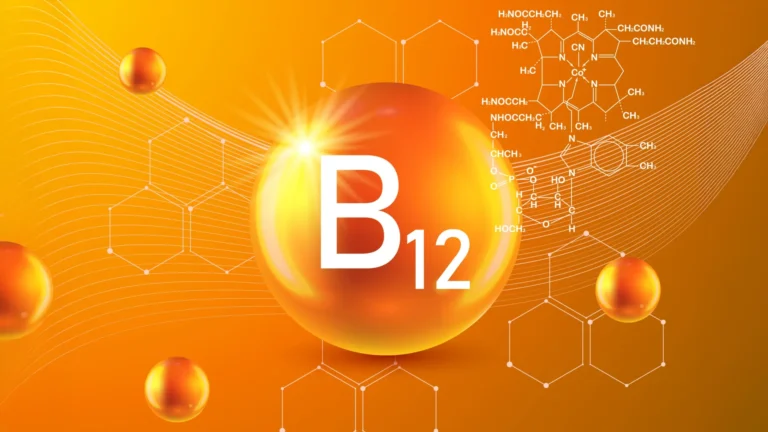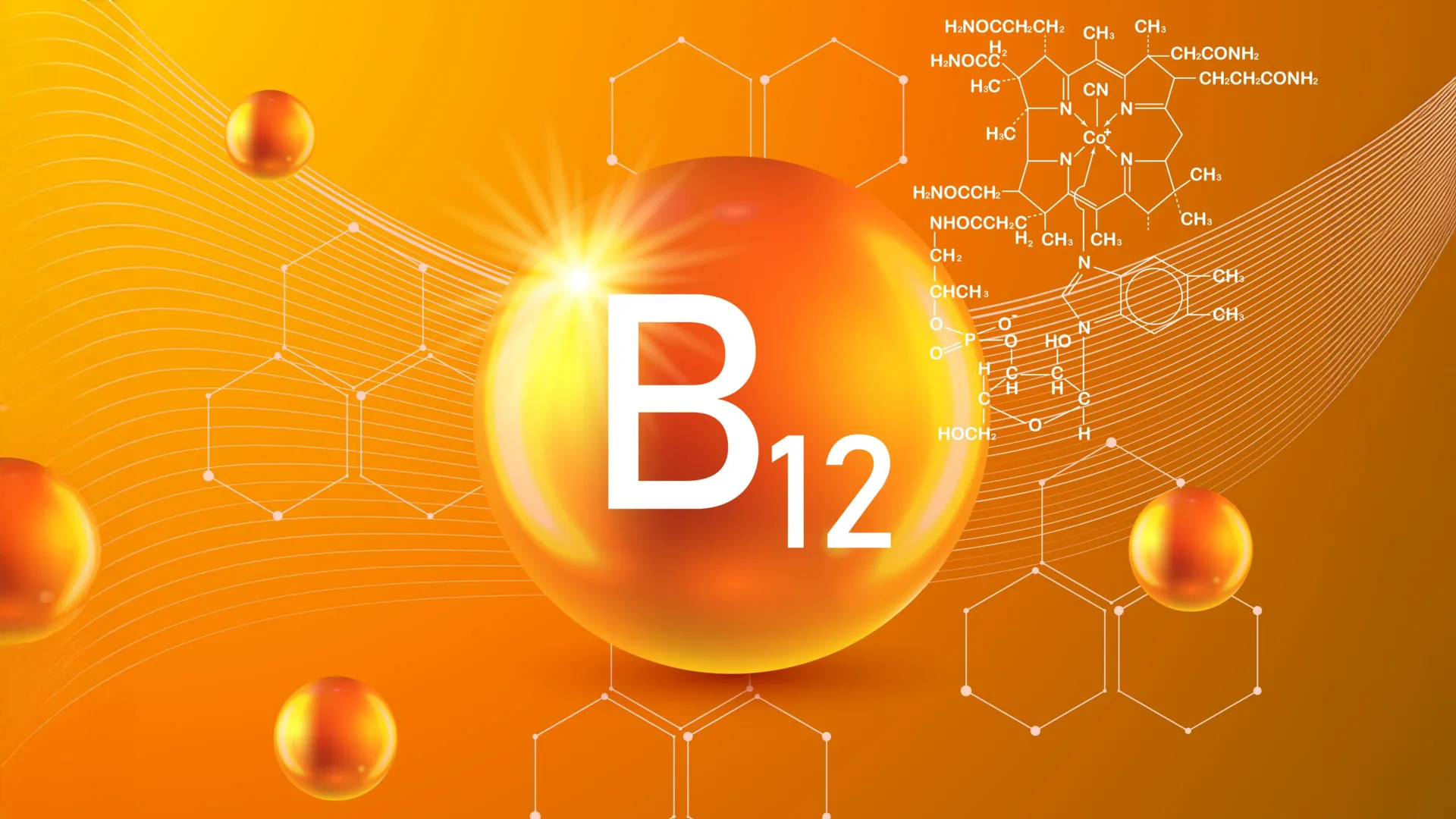
A groundbreaking advancement in biotechnology is poised to transform global nutritional strategies, offering a sustainable and environmentally conscious solution to a widespread micronutrient deficiency. Scientists have successfully cultivated Arthrospira platensis, commonly known as spirulina, to yield biologically active vitamin B12 at concentrations comparable to traditional animal-derived sources like beef. This breakthrough addresses a significant dietary limitation of the highly regarded blue-green algae, which has long been lauded for its nutritional density but hindered by its inability to provide a usable form of this essential vitamin to humans.
The research, detailed in the peer-reviewed journal Discover Food, represents a collaborative effort spearheaded by Dr. Asaf Tzachor, who serves as the Founder and Academic Director of the Aviram Sustainability and Climate Program at Reichman University. The international team included experts from institutions in Iceland, Denmark, and Austria, collectively leveraging sophisticated biotechnological platforms. Through the meticulous application of controlled light environments, the researchers achieved the unprecedented feat of producing carbon-neutral spirulina biomass rich in bioavailable vitamin B12. This marks the first documented instance of spirulina naturally synthesizing and accumulating vitamin B12 in a form readily utilizable by the human body.
The global prevalence of vitamin B12 deficiency underscores the urgency of such innovations. An estimated one billion individuals worldwide suffer from inadequate levels of this crucial micronutrient, which plays an indispensable role in a myriad of physiological processes. Vitamin B12 is fundamental for DNA synthesis, the formation of red blood cells, and maintaining the healthy functioning of the nervous system. Its absence can lead to severe health consequences, including megaloblastic anemia, neurological damage manifesting as numbness, tingling, cognitive decline, and memory impairment, as well as chronic fatigue and depression.
For much of the global population, meat, poultry, fish, and dairy products serve as the primary dietary sources of vitamin B12. The recommended daily intake, as highlighted by the research team, is approximately 2.4 micrograms (µg) for adults. However, meeting the escalating global demand for animal-based foods necessitates agricultural practices that carry substantial environmental burdens. Livestock farming is a significant contributor to greenhouse gas emissions, deforestation, land degradation, and water pollution, prompting an urgent search for more ecologically responsible alternatives to conventional food production.
Spirulina, a cyanobacterium, has long been championed as a potential panacea for sustainable nutrition due to its rapid growth rate and minimal environmental footprint. Its cultivation requires considerably less land and water compared to animal agriculture, and it boasts an impressive nutritional profile, packed with protein, essential amino acids, iron, and other vitamins and minerals. Despite these advantages, a critical hurdle persisted: the majority of B12-like compounds found in conventional spirulina are pseudo-vitamin B12. While chemically similar to the active form, pseudo-B12 is biologically inert in humans, meaning the body cannot absorb or utilize it effectively. This fundamental limitation has historically prevented spirulina from serving as a reliable plant-based substitute for animal-derived vitamin B12, leaving vegans and vegetarians, as well as the elderly and individuals with malabsorption issues, reliant on fortified foods or supplements.
To surmount this long-standing challenge, the multidisciplinary research consortium, comprising experts from Reichman University, the University of Natural Resources and Life Sciences in Vienna, Ruppin Academic Center, the Danish Technological Institute, and MATIS in Iceland, embarked on an exploratory study. Their focus was a novel biotechnology platform developed by VAXA Technologies in Iceland, designed to optimize microalgae cultivation. The team meticulously analyzed the engineering specifications of this system, evaluating its energy inputs and, crucially, the precise nutritional composition of the biomass it generated.
At the heart of this innovative technology lies "photonic management," a sophisticated approach involving the manipulation of light conditions during spirulina cultivation. By carefully controlling the spectrum, intensity, and duration of light exposure, the researchers were able to precisely influence the alga’s metabolic pathways. This targeted environmental cue encouraged the spirulina to synthesize and accumulate true, biologically active vitamin B12, rather than its non-bioavailable pseudo-analogue. The carefully orchestrated light environment effectively reprogrammed the organism’s cellular machinery to produce the desired compound. Furthermore, the cultivated spirulina was found to contain other beneficial bioactive compounds, exhibiting antioxidant, anti-inflammatory, and immune-boosting properties, enhancing its overall nutritional value beyond the B12 breakthrough.
Remarkably, the resulting carbon-neutral biomass contained an average of 1.64 µg of active vitamin B12 per 100 grams. This figure stands in favorable comparison to the B12 content found in beef, which typically ranges from 0.7 to 1.5 µg per 100 grams, firmly establishing this engineered spirulina as a potent and viable alternative. Dr. Asaf Tzachor articulated the significance of these findings, stating, "Our discovery conclusively demonstrates that photosynthetically modulated spirulina can generate desirable concentrations of active vitamin B12, presenting a genuinely sustainable alternative to traditional animal-derived food sources."
Beyond demonstrating the biological feasibility, the researchers also explored the scalability and potential impact of this system. They investigated hypothetical scenarios for expanding production far beyond its current experimental scale. One compelling projection considered the reallocation of electricity presently consumed by heavy industries in Iceland. Such a strategic shift could theoretically support the annual production of an astonishing 277,950 metric tons of spirulina biomass. The researchers’ calculations suggest that this immense quantity would yield approximately 4,555 grams of active vitamin B12 annually.
Translating this into tangible public health benefits, this amount of B12 could fulfill the Recommended Dietary Allowance (RDA) for more than 13.8 million children aged 1 to 3 years. More ambitious production models further illustrate the profound potential, indicating that enough vitamin B12 could be generated to meet the RDA for over 26.5 million children aged 1 to 3, or more than 50 million infants aged 0 to 6 months. While these figures remain projections based on theoretical scale-up scenarios rather than existing production capacities, they powerfully underscore the vast nutritional potential and transformative capacity that the researchers envision for this innovative technology in addressing global micronutrient deficiencies.
Should this pioneering approach be successfully scaled and integrated into food systems, photosynthetically controlled spirulina could establish a crucial new pathway for mitigating vitamin B12 deficiency, simultaneously reducing humanity’s reliance on environmentally intensive meat and dairy production. This research also illuminates the broader capabilities of biotechnology to precisely modify the nutritional profiles of microorganisms and other rapidly proliferating food sources. The paradigm shifts from simply cultivating naturally occurring organisms to intentionally altering their growth conditions to elicit the production of specific compounds beneficial to human health. This represents a move towards more intelligent, resource-efficient food engineering.
The findings mark a significant stride toward developing genuinely sustainable and nutrient-rich food sources, contributing to global food security and public health resilience. However, the journey from laboratory breakthrough to widespread adoption will necessitate further research, optimization of large-scale production methods, rigorous safety assessments, and careful consideration of how this technology can be effectively integrated into complex real-world food supply chains and consumer diets.
This research aligns seamlessly with the mission of the Aviram Sustainability and Climate Program at Reichman University, established in partnership with the Aviram Foundation. The program was conceived in direct response to the escalating global environmental and public health crises. It is dedicated to equipping students from diverse academic backgrounds with the knowledge and tools to devise innovative strategies for confronting critical global challenges, including resource scarcity, climate change, extreme weather events, and the interconnected crises of food, water, and energy. This spirulina innovation stands as a testament to the program’s commitment to fostering solutions for a more sustainable and nutritionally secure future.
About the Author