A pioneering investigation into the intricate connections between the human gut microbiome and physiological resilience has brought to light a specific bacterial species, Roseburia inulinivorans, demonstrating a compelling association with enhanced muscle strength in individuals and improved muscular performance in preclinical models. Published in the esteemed journal Gut, these revelations suggest a novel pathway through which the microbial inhabitants of our digestive system may play a pivotal role in maintaining physical vitality, particularly as we advance in years. The findings not only underscore the burgeoning concept of a "gut-muscle axis" but also position this particular bacterium as a promising candidate for future development into a specialized nutraceutical or probiotic aimed at mitigating age-related muscle deterioration.
The progressive loss of muscle mass, strength, and function, medically termed sarcopenia, represents a significant public health challenge in an aging global population. This insidious condition is not merely a cosmetic concern; it fundamentally compromises an individual’s mobility, balance, and overall physical autonomy, drastically elevating the risk of falls, fractures, and dependency. Sarcopenia is a primary contributor to frailty, diminishes quality of life, and imposes a substantial burden on healthcare systems. While exercise and nutrition are recognized as cornerstones for muscle health, their efficacy in fully counteracting the multifactorial nature of sarcopenia often remains limited, prompting scientists to explore alternative, innovative interventions.
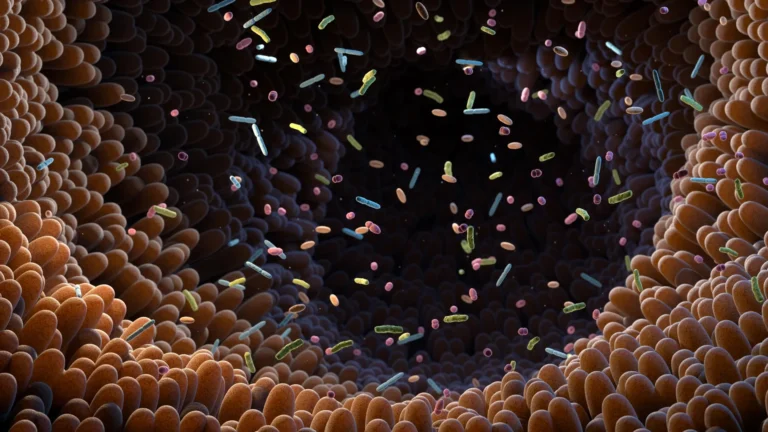
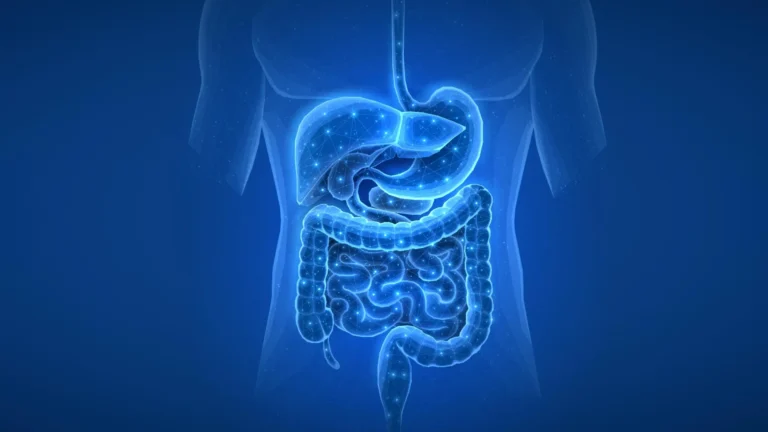
For some time, the scientific community has acknowledged the profound influence of the gut microbiome—the vast ecosystem of microorganisms residing within our intestines—on various aspects of human health. Beyond its well-documented roles in digestion and immunity, this complex microbial community has been implicated in metabolic disorders, neurodegenerative conditions, and cardiovascular diseases. More recently, a growing body of evidence has begun to illuminate a potential, yet less understood, link between the composition and activity of gut bacteria and the regulation of muscle mass and function. This emerging concept, dubbed the "gut-muscle axis," posits that microbial metabolites, inflammatory mediators, or even direct signaling pathways emanating from the gut can exert systemic effects that impact skeletal muscle integrity and performance.
Driven by this evolving understanding, a collaborative team of researchers from institutions in the Netherlands and Spain embarked on a detailed study to systematically identify whether specific gut microbial species exhibited a correlation with muscle strength parameters. Furthermore, they sought to delve into the potential mechanisms by which any identified bacteria might exert their influence on muscle tissue at a cellular level. Their comprehensive approach combined observational studies in human cohorts with controlled experimental investigations in animal models, offering a robust framework for exploring both association and potential causality.
The human observational phase of the study involved two distinct demographic groups: 90 healthy young adults, aged 18 to 25 years, and 33 older adults, aged 65 years and above. Participants provided stool samples, which underwent advanced genomic sequencing to meticulously profile the bacterial species inhabiting their gastrointestinal tracts. Concurrently, a battery of physical fitness assessments was conducted to quantify various aspects of muscular strength and cardiorespiratory endurance. These included standardized measurements of handgrip strength, which is a widely accepted proxy for overall muscular strength and a strong predictor of health outcomes in older adults. Additionally, participants performed leg press and bench press exercises to evaluate lower and upper body muscular power, respectively. Cardiorespiratory fitness was quantified through maximal oxygen consumption (VO2 max) during exertion, providing insights into the body’s efficiency in utilizing oxygen during intense physical activity.
Upon rigorous analysis of the extensive microbial data, a compelling pattern emerged. Among the myriad bacterial genera detected within the stool samples, Roseburia stood out as the sole group exhibiting a consistent positive correlation with both muscle mass and overall strength metrics across the study population. However, this broad genus-level association warranted a more granular investigation, as it became evident that not all individual Roseburia species displayed identical relationships with physical performance. Specifically, species such as Roseburia faecis and Roseburia intestinalis did not show a statistically significant link to either handgrip strength or VO2 max in either the younger or older adult cohorts.
The spotlight intensified on Roseburia inulinivorans. Within the older participant group, individuals whose gut microbiomes contained detectable levels of R. inulinivorans exhibited a remarkable 29% increase in handgrip strength compared to their peers in whom the bacterium was not identified. Crucially, this enhancement in strength occurred independently of any corresponding improvement in peak oxygen uptake, implying a direct effect on muscular efficiency or quality rather than a general boost in cardiorespiratory fitness. In the younger cohort, higher relative abundance of R. inulinivorans was associated with a dual benefit: not only stronger handgrip but also elevated VO2 max scores. Furthermore, the presence of both R. inulinivorans and R. intestinalis in greater relative abundance among younger adults correlated with superior performance in both leg press and bench press exercises. In contrast, other Roseburia species, namely R. faecis and R. hominis, showed no discernible association with any of the evaluated measures of muscle strength, reinforcing the concept that specific microbial species, even within the same genus, can exert highly differentiated biological effects on muscular performance.
A significant observation stemming from the human study was the age-related distribution of Roseburia bacteria. Generally, these beneficial microbes were found to be considerably more abundant in the younger adult participants. For instance, the relative proportion of R. faecis in younger individuals ranged from 0% to 3.3%, R. intestinalis from 0% to 5.5%, and R. inulinivorans from 0% to 6.6%. In stark contrast, these levels were notably diminished among the older adults, where R. faecis ranged from 0% to 2.2%, R. intestinalis from 0% to 0.7%, and R. inulinivorans from a mere 0% to 1.3%. This pronounced decline in the prevalence of Roseburia species, particularly R. inulinivorans, with advancing age—a period marked by the increasing incidence of sarcopenia—strongly suggested a potential connection between the dwindling abundance of this bacterium and the progressive weakening of muscle tissue.
To transition from mere association to exploring a causal relationship, the researchers designed a controlled experiment involving 32 mice. The initial phase of this preclinical study involved administering a cocktail of broad-spectrum antibiotics to the mice for two weeks, effectively depleting their endogenous gut microbiomes. This crucial step created a "blank slate" to allow for the controlled introduction of specific bacterial species. Following this depletion, the animals were randomly assigned to four distinct groups. Three of these groups received weekly oral administrations of different human Roseburia strains for an eight-week period, while the fourth group, serving as the control, received no Roseburia supplementation.
The results from the mouse model provided compelling evidence of R. inulinivorans‘s direct impact on muscle function. While none of the Roseburia species administered in the study increased the mice’s running endurance or time to exhaustion, a different narrative unfolded when assessing muscle strength. Mice that received R. inulinivorans exhibited a substantial increase of approximately 30% in forelimb grip strength when compared to the control animals. This significant improvement in muscular function was consistently observed across the 4-, 6-, and 8-week time points of the treatment period.
Further histological examination of muscle tissue revealed profound physical changes in the R. inulinivorans-treated mice. These animals developed notably larger muscle fibers and displayed a significantly greater proportion of type II, or "fast-twitch," fibers in the soleus muscle of the calf. Fast-twitch fibers are critical for generating rapid, powerful contractions essential for activities like sprinting and weightlifting, making their increased prevalence a direct indicator of enhanced strength potential. While this difference was statistically significant when compared to the control group and other Roseburia groups, it was not significant when specifically compared to mice treated with R. intestinalis. A more detailed analysis of muscle fiber size distribution demonstrated that R. inulinivorans-treated animals possessed a higher proportion of larger-diameter fibers than mice receiving other Roseburia species or no bacterial supplementation. These observable physical alterations in muscle structure were also accompanied by measurable changes in the levels of proteins and enzymes directly involved in the metabolic pathways that generate energy for muscle activity, suggesting a fundamental shift in muscle energetics.
The proposed mechanism underpinning these effects likely involves the metabolic byproducts of Roseburia inulinivorans. As a prominent producer of short-chain fatty acids (SCFAs), particularly butyrate, R. inulinivorans plays a vital role in gut health. Butyrate is a key energy source for colonocytes, but it also has systemic effects, including anti-inflammatory properties and the ability to influence gene expression. It is plausible that these SCFAs, absorbed from the gut, travel to muscle tissue, where they modulate cellular metabolism, enhance mitochondrial function, or reduce low-grade systemic inflammation, all of which are factors known to impact muscle strength and fiber type composition. By shifting the metabolic landscape within muscle cells, R. inulinivorans could potentially promote the development and maintenance of more powerful, fast-twitch fibers, thereby directly contributing to improved strength and resilience.
Despite these compelling findings, the researchers prudently highlight several limitations of the study that warrant consideration for future research. In the mouse experiment, the human Roseburia species did not permanently colonize the animals’ gastrointestinal tracts, which might influence the long-term applicability of these findings and necessitates further investigation into methods for stable colonization. Moreover, the study did not directly explore certain key biological pathways, such as those involving inflammation or neuromuscular signaling, either of which could play a significant role in mediating the observed effects on muscle. Finally, while the mouse model suggests a causal link, long-term human studies will be indispensable to conclusively establish whether changes in R. inulinivorans abundance directly cause alterations in muscle function or if, conversely, muscle function influences the presence of this bacterium.
Nevertheless, the collective body of evidence presented provides robust support for the existence of a profound gut-muscle axis, within which Roseburia inulinivorans emerges as a potent modulator of muscle metabolism and strength. The observed decline in R. inulinivorans abundance during aging, a period characterized by an increasing prevalence of sarcopenia, strongly positions this bacterium as a compelling probiotic candidate. Its potential role in preserving muscle strength and function offers a novel and exciting avenue for developing therapeutic strategies to combat age-related muscle loss and enhance healthy aging. Future research will focus on targeted interventions and clinical trials to harness the power of this specific gut microbe for human benefit.
About the Author