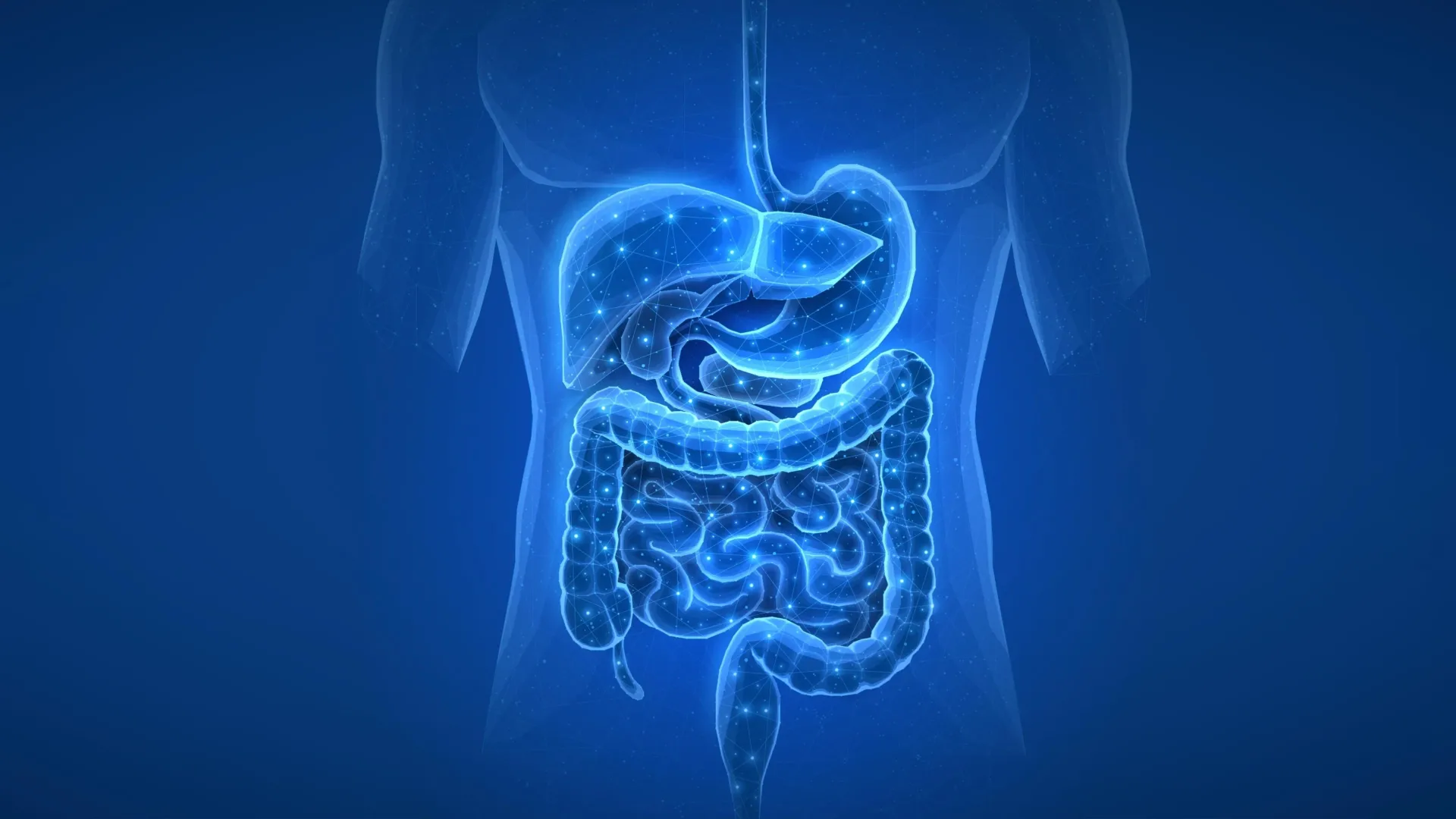
A groundbreaking investigation has revealed that a wide array of commonly prescribed pharmaceuticals can exert profound and remarkably persistent alterations on the intricate microbial ecosystems residing within the human digestive tract, with these effects detectable years after individuals have ceased their use. This paradigm-shifting discovery challenges conventional understandings of drug-microbiome interactions, extending the temporal scope of influence far beyond the immediate period of active treatment and highlighting the critical need for researchers and clinicians to consider an individual’s complete medication history when interpreting gut microbiome data.
The human gut microbiome represents a vast and diverse community of bacteria, archaea, fungi, and viruses that inhabit the gastrointestinal tract. Far from being passive residents, these microorganisms play pivotal roles in host health, influencing metabolic processes, nutrient absorption, immune system development and function, and even neurological signaling via the gut-brain axis. Disruptions to this delicate ecological balance, known as dysbiosis, have been implicated in a spectrum of chronic conditions, ranging from inflammatory bowel disease and metabolic disorders to mental health conditions and autoimmune diseases. Consequently, understanding the factors that shape and alter the microbiome is of paramount importance for both disease prevention and therapeutic intervention.
Led by researchers at the esteemed University of Tartu Institute of Genomics in Estonia, the study leveraged the extensive resources of the Estonian Biobank, a national cohort renowned for its comprehensive health data and biological samples. Scientists meticulously analyzed stool samples alongside detailed prescription records from over 2,500 participants within the Estonian Microbiome cohort. This large-scale, real-world dataset provided an unparalleled opportunity to explore the complex interplay between pharmacological interventions and microbial community composition over extended periods, moving beyond the often-limited scope of short-term observational studies.
The findings demonstrated a pervasive influence of pharmaceutical agents, with a substantial majority of the medications examined exhibiting discernible associations with distinct variations in the gut microbiome. Crucially, for a significant number of these drugs, the microbial "fingerprints" associated with their use remained clearly detectable in participants’ gut microbiomes years after the last dose had been taken. This enduring impact was not solely attributable to antibiotics, which are well-established for their potent, often disruptive, effects on bacterial populations. Instead, the study unveiled similar long-lasting changes linked to a diverse range of non-antibiotic medications, including antidepressants, beta-blockers, proton pump inhibitors (PPIs), and benzodiazepines.
The revelation that non-antibiotic drugs can induce such protracted changes represents a significant scientific advancement. Traditionally, the focus on drug-induced microbiome alterations has heavily centered on antibiotics, given their direct antibacterial mechanisms. However, this research underscores that many other pharmaceutical classes, through various indirect or previously unrecognized pathways, can also profoundly reshape the gut’s microbial landscape. For instance, proton pump inhibitors, commonly prescribed for conditions like acid reflux and peptic ulcers, reduce stomach acid production. This alteration in gastric pH can profoundly impact which microbes survive passage to the intestines and thrive within the gut, thereby shifting the overall microbial ecology. Beta-blockers, used to manage conditions such as hypertension and certain cardiac arrhythmias, might influence gut motility or directly interact with bacterial species, leading to structural changes in the microbial community. Antidepressants, particularly selective serotonin reuptake inhibitors (SSRIs), could affect neurotransmitter levels in the gut, which in turn might modulate bacterial growth or function.
Perhaps one of the most striking and unexpected discoveries revolved around benzodiazepines, a class of medications frequently prescribed for anxiety disorders, insomnia, and seizures. The study found that the associations between benzodiazepine use and gut microbiome composition were remarkably potent, rivaling the strength of changes typically observed with broad-spectrum antibiotics. This finding is particularly noteworthy because broad-spectrum antibiotics are designed to indiscriminately target and eliminate a wide range of bacterial species, causing significant ecological shifts. The fact that an anxiolytic drug could exert a comparable level of influence highlights potential direct or indirect mechanisms that warrant further urgent investigation, possibly involving the gut-brain axis or direct interaction with microbial metabolism.
Another critical insight derived from the research pertains to the specificity of drug effects within pharmacological classes. The investigation revealed that medications belonging to the same therapeutic category did not necessarily elicit identical responses in the gut microbiome. For instance, two benzodiazepines, diazepam and alprazolam, which are often prescribed for similar conditions, demonstrated differing capacities to perturb gut microbial communities. This nuanced distinction carries substantial implications for future microbiome research, where drugs are frequently grouped by class for analytical purposes. The new evidence suggests that a more granular approach, considering individual drugs rather than broad categories, may be essential for accurately dissecting drug-microbiome relationships.
Dr. Oliver Aasmets, the lead author of the study, emphasized the profound implications of these findings for the scientific community. "Most microbiome studies only consider current medications," Dr. Aasmets noted, "but our results show that past drug use can be just as important, emerging as a surprisingly strong factor in explaining individual microbiome differences." This statement challenges the prevailing methodology in microbiome research, suggesting that a significant explanatory variable may have been overlooked in countless previous studies. Failing to account for historical drug exposure could lead to misinterpretations, potentially attributing microbiome changes to disease states or lifestyle factors when they are, in fact, residual effects of past pharmacological interventions.
To further solidify the causal link between medication use and microbiome alterations, the research team conducted a crucial follow-up analysis involving a smaller subgroup of participants. By examining subsequent stool samples, scientists were able to observe dynamic shifts in gut microbes corresponding to individuals initiating or discontinuing specific medications. These longitudinal observations provided compelling evidence that the medications themselves were indeed responsible for at least some of the observed differences. This segment of the study specifically confirmed the persistent effects linked to proton pump inhibitors, selective serotonin reuptake inhibitors (a widely used class of antidepressants), and various antibiotics, including combinations of penicillins and macrolides.
Professor Elin Org, the corresponding author, underscored the comprehensive and real-world nature of the investigation. "This is a comprehensive systematic evaluation of long-term medication effects on the microbiome using real-world medical health records," she stated. Professor Org expressed hope that the study’s compelling results would encourage both researchers and clinicians to integrate an individual’s complete medication history into their interpretations of microbiome data. By factoring in this often-neglected aspect, scientists can more accurately differentiate between microbiome changes genuinely associated with specific disease pathologies and those that are remnants of past pharmaceutical exposures.
The cumulative evidence from this study adds substantial weight to the growing understanding that the gut microbiome is a dynamic entity, shaped by a complex interplay of current diet, lifestyle, health status, and both current and past medication usage. The lasting biological traces left by previous treatments demand a more holistic approach to microbiome analysis. For clinical practice, this could pave the way for more personalized therapeutic strategies, where an individual’s medication history informs dietary recommendations, probiotic interventions, or even the choice of future medications to minimize adverse microbiome impacts. In drug development, these insights could guide the creation of novel pharmaceuticals designed to be "microbiome-friendly" or co-prescribed with agents that mitigate potential dysbiotic effects. Ultimately, this research heralds a new era in understanding the enduring legacy of pharmaceutical intervention on human health, emphasizing the need to look beyond the immediate and consider the protracted echoes of medicine within our microbial selves.
About the Author