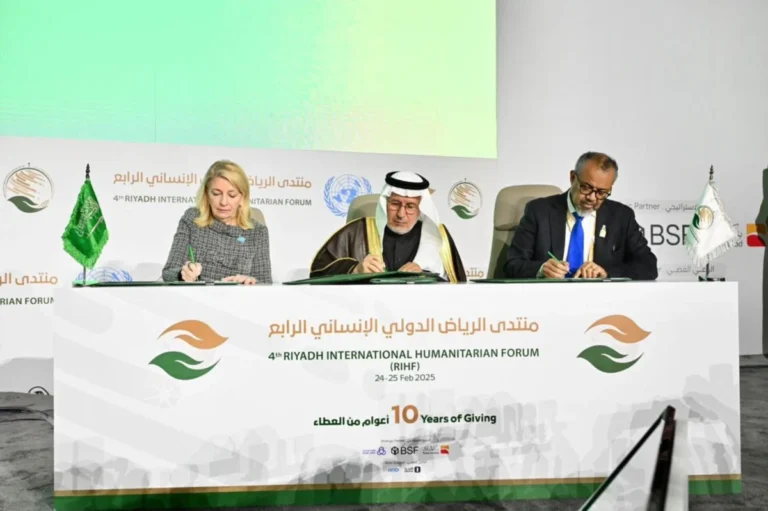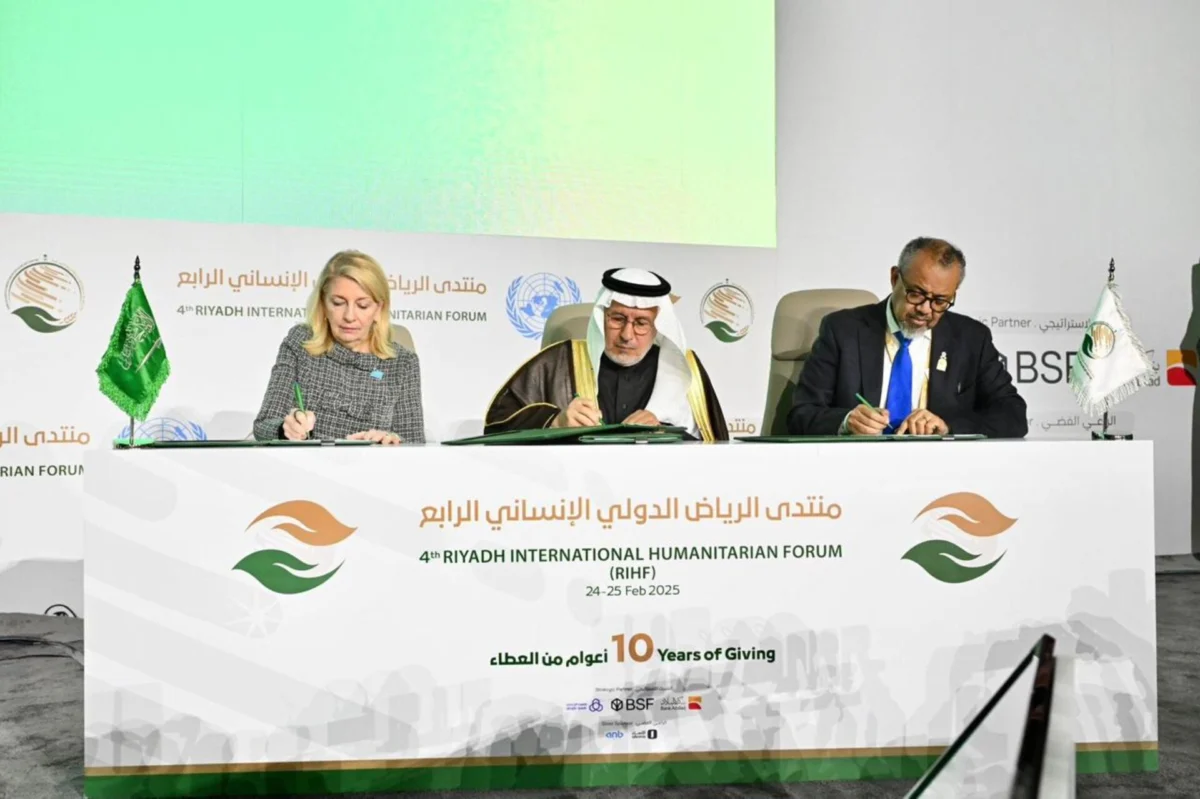
The global humanitarian landscape witnessed a significant convergence of international partners at the Riyadh International Humanitarian Forum (RIHF), held from February 24 to 25, 2025. This pivotal gathering served as a vital platform for stakeholders from various sectors to deliberate upon pressing health and humanitarian challenges confronting vulnerable populations worldwide. Emphasizing the principles of survival, well-being, and dignity for individuals affected by crises, the forum also underscored the critical importance of ensuring the safety and security of aid workers operating in increasingly perilous environments. A central theme throughout the discussions was the imperative of health diplomacy, recognizing health as a bridge for peace and stability, even amidst geopolitical complexities. Coinciding with the tenth anniversary of the King Salman Humanitarian Aid and Relief Centre (KSRelief), the event facilitated the formalization of crucial agreements and financial commitments designed to bolster ongoing humanitarian efforts, particularly across the Middle East and beyond.
A cornerstone of the forum’s outcomes was the reaffirmation and subsequent formalization of a monumental US$500 million pledge by the Kingdom of Saudi Arabia towards the Global Polio Eradication Initiative (GPEI). This substantial commitment, initially announced in April 2024, represents a critical infusion of resources into one of the most ambitious public health campaigns in history. The GPEI, a public-private partnership led by national governments with five core partners – the World Health Organization (WHO), Rotary International, the U.S. Centers for Disease Control and Prevention (CDC), UNICEF, and the Bill & Melinda Gates Foundation – has been relentlessly working since 1988 to eradicate poliomyelitis globally. Polio, a highly infectious viral disease, primarily affects young children and can lead to irreversible paralysis. While remarkable progress has been made, reducing polio cases by over 99% since the initiative’s inception, the final stages of eradication prove to be the most challenging, often concentrated in areas plagued by conflict, insecurity, and limited access to healthcare.
The US$500 million pledge was meticulously divided into two separate funding agreements: US$300 million allocated to the World Health Organization and US$200 million designated for UNICEF. These funds are earmarked to significantly expand vaccination campaigns, aiming to reach approximately 370 million children annually. This vast undertaking involves not only the procurement and distribution of oral polio vaccine (OPV) and inactivated polio vaccine (IPV) but also the establishment of robust cold chain logistics, training of vaccinators, community mobilization, and comprehensive disease surveillance systems. The commitment from Saudi Arabia is particularly vital for regions where the poliovirus has demonstrated a concerning resurgence, notably in conflict-affected territories such as Pakistan, Afghanistan, and the Gaza Strip. In these areas, persistent violence, population displacement, and challenges in reaching every child due to insecurity or vaccine hesitancy create fertile ground for the virus to continue circulating, threatening to undo decades of progress. The leadership of WHO Director-General Dr. Tedros Adhanom Ghebreyesus and UNICEF Executive Director Catherine Russell in securing and implementing these funds underscores the collaborative spirit essential for achieving a polio-free world.

Beyond the global polio effort, the Riyadh International Humanitarian Forum also saw the signing of several targeted agreements between the WHO and KSRelief, addressing acute health crises in specific, highly vulnerable regions. A significant portion of these agreements focuses on Yemen, a nation grappling with one of the world’s most severe and protracted humanitarian catastrophes. Years of conflict have decimated Yemen’s healthcare infrastructure, displaced millions, and left a large segment of the population without access to basic services, including clean water and sanitation. This dire situation has created an environment ripe for the proliferation of infectious diseases, particularly malaria and cholera.
To combat these twin scourges, KSRelief committed US$12 million for comprehensive malaria control initiatives in Yemen. This funding is critical for deploying integrated vector control measures, such as distributing insecticide-treated mosquito nets, implementing indoor residual spraying, and managing stagnant water bodies that serve as mosquito breeding grounds. Furthermore, it will support enhanced diagnostic capabilities, ensuring timely and accurate identification of malaria cases, and facilitate the provision of life-saving antimalarial treatments. The goal is to reduce morbidity and mortality associated with malaria, a disease that disproportionately affects children and pregnant women, further weakening an already fragile population.
Complementing the malaria efforts, an additional US$2.1 million was pledged by KSRelief to expand cholera treatment interventions across Yemen. Cholera, a severe diarrheal disease, thrives in conditions of poor sanitation and contaminated water sources, both prevalent in conflict-ridden Yemen. This funding will be instrumental in scaling up the provision of oral rehydration salts (ORS), intravenous fluids for severely dehydrated patients, and essential antibiotics. It will also support the establishment and operation of cholera treatment centers, training of healthcare workers, and crucial public health campaigns focused on hygiene promotion and safe water practices. By strengthening both preventative and curative measures, these agreements aim to curb the spread of cholera outbreaks and mitigate their devastating impact on public health.
Another critical agreement forged at the forum addressed the urgent health needs of Sudanese refugees seeking asylum in Egypt. The ongoing conflict in Sudan, which erupted in April 2023, has triggered an immense humanitarian crisis, displacing millions within Sudan and forcing hundreds of thousands to flee across borders into neighboring countries, including Egypt. Many refugees arrive with pre-existing chronic health conditions, which are often exacerbated by the arduous journey and the stresses of displacement. Among these, kidney failure requiring regular dialysis treatment presents a particularly challenging and life-threatening medical need. Dialysis is a highly specialized and expensive procedure, and the capacity to provide it to a large influx of refugees can quickly overwhelm the healthcare systems of host countries.
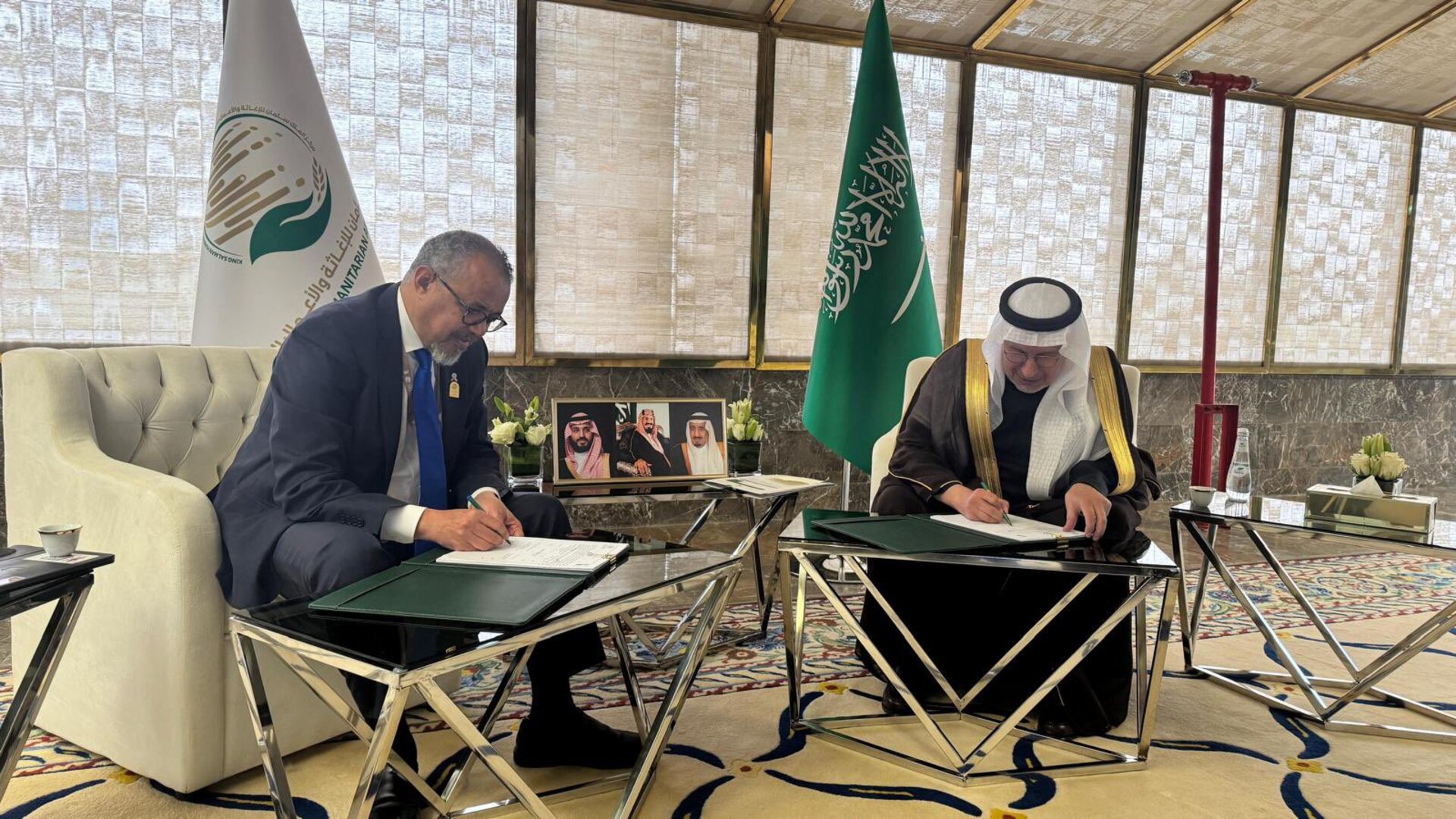
In response to this pressing need, KSRelief and the WHO Egypt Country Office formalized an agreement worth US$3.6 million specifically dedicated to providing dialysis treatment for Sudanese refugees in Egypt. This targeted funding will ensure that refugees suffering from end-stage renal disease receive the life-sustaining care they require. It will facilitate access to dialysis machines, consumable medical supplies, and trained personnel, relieving a significant burden on both the refugees and the Egyptian healthcare system. This initiative highlights the importance of tailored humanitarian responses that address specific, high-cost medical needs of displaced populations, ensuring their continued survival and dignity in exile.
The Riyadh International Humanitarian Forum 2025 thus served as a powerful testament to the enduring and expanding partnership between the World Health Organization and the King Salman Humanitarian Aid and Relief Centre, as well as with other key international stakeholders. The agreements solidified during this landmark event are not merely financial transactions; they represent a concerted global effort to combat some of the most persistent and devastating diseases, including polio, malaria, and cholera, and to guarantee essential healthcare services for populations uprooted by conflict and crisis.
The forum also powerfully underscored the Kingdom of Saudi Arabia’s steadfast and growing commitment to global humanitarian endeavors. Through KSRelief, Saudi Arabia has emerged as a significant force in humanitarian aid, moving beyond traditional donor roles to actively shape and lead international responses to urgent health crises. Its reaffirmed US$500 million pledge to GPEI, coupled with targeted funding for Yemen and Sudanese refugees, solidifies its leadership role in tackling some of the world’s most pressing health challenges. These commitments reflect a strategic vision that recognizes the interconnectedness of global health security and humanitarian stability, advocating for a future where collective action can alleviate suffering and build more resilient communities worldwide. The outcomes of the Riyadh forum offer a beacon of hope, demonstrating that through sustained partnership and substantial investment, the international community can make tangible progress towards a healthier, more equitable future for all.
About the Author