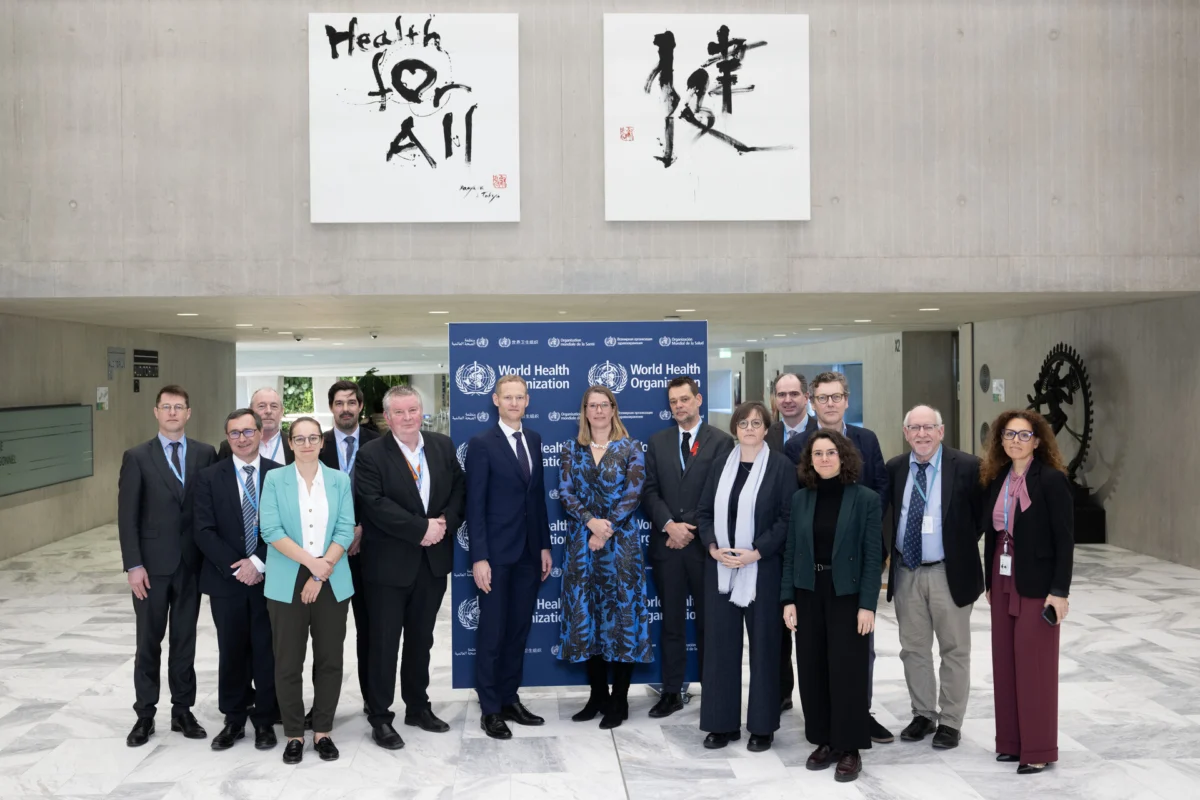
A pivotal three-day strategic dialogue recently concluded, solidifying the long-standing alliance between Belgium and the World Health Organization (WHO) and charting an ambitious course for their future joint endeavors in global health. Convening in Geneva, this high-level forum brought together a diverse Belgian delegation, including representatives from its Federal, Flemish, and Walloon governments, alongside senior leadership and technical experts from WHO Headquarters and its Regional Offices for Africa and Europe. The intensive consultations aimed to rigorously assess past achievements, refine existing operational frameworks, and strategically align priorities to confront the evolving landscape of global health challenges.
This collaborative engagement underscores Belgium’s enduring commitment to multilateralism and its role as a key financial and strategic partner to the WHO. Over decades, the Kingdom of Belgium has consistently supported initiatives designed to bolster health systems worldwide, improve access to essential medical resources, and enhance global preparedness for health crises. The recent discussions served as a testament to this deep-rooted partnership, moving beyond routine reviews to an in-depth exploration of how both entities can amplify their collective impact, particularly in the context of the WHO’s forthcoming 14th General Programme of Work (GPW14).
Central to the deliberations was the overarching goal of achieving Universal Health Coverage (UHC), a cornerstone of the Sustainable Development Goals (SDGs) and a critical aspiration for global health equity. UHC envisions a world where all people have access to the health services they need, when and where they need them, without financial hardship. However, realizing this vision remains a formidable challenge, particularly in low-income and fragile settings where health infrastructure is often inadequate and resources scarce. Participants extensively reviewed progress made under the UHC-Partnership, a significant initiative supported by Belgium, which has delivered tangible results in various partner countries between 2021 and 2024. The dialogue specifically highlighted the need for greater synergy at the country level, exploring mechanisms to align WHO country office programs with Belgium’s bilateral cooperation initiatives. An illuminating case study from the Democratic Republic of Congo showcased both the successes and persistent obstacles encountered in strengthening primary healthcare services and expanding access to essential health interventions within complex operational environments. Furthermore, a detailed exposition on WHO’s strategic approach to integrating mental health services within primary care settings underscored a shared recognition of mental well-being as an integral component of comprehensive health. This focus aligns with growing global awareness that mental health cannot be separated from physical health in the pursuit of UHC.
Another critical pillar of the strengthened partnership revolved around enhancing equitable access to life-saving vaccines, essential medicines, and innovative health technologies. Despite significant advancements in medical science, vast disparities persist in the availability and affordability of these crucial tools, particularly in developing nations. The strategic dialogue provided an opportunity to scrutinize the current status and demonstrable outcomes of Belgium’s funding for the Access to Medicines program. WHO specialists elucidated the organization’s multifaceted efforts and policy frameworks designed to overcome barriers to access, including initiatives promoting local production capabilities in regions heavily reliant on imports. The discussion featured a detailed account of country-level implementation challenges and successes, with Senegal serving as a prime example of where targeted interventions can yield significant improvements. Both Belgian and WHO representatives articulated a shared understanding that ensuring the long-term viability and success of access initiatives hinges critically on effective market shaping strategies, which aim to influence the supply and demand dynamics of global health commodities to make them more accessible and affordable. This forward-looking perspective signals a commitment to systemic changes rather than merely addressing symptomatic shortages.

The existential threat posed by health emergencies and the imperative for robust pandemic prevention, preparedness, and response (PPR) frameworks formed another core area of intensive examination. The COVID-19 pandemic starkly exposed critical vulnerabilities in global health security, prompting an urgent re-evaluation of international cooperation mechanisms. The dialogue delved into WHO’s indispensable role in fortifying the global architecture for health emergency management, encompassing strategies for prevention, rapid response, and building resilience against future shocks. A significant portion of the discussion was dedicated to the ongoing negotiations for a new international pandemic agreement, an instrument designed to foster greater equity, transparency, and accountability in global health crisis management. Furthermore, the "One Health" approach, recognizing the intricate interconnectedness of human, animal, and environmental health, was emphasized as fundamental to addressing emerging infectious diseases and zoonotic threats. WHO’s vital operational engagement in acute humanitarian crises was vividly illustrated through a presentation detailing its activities in Gaza, showcasing the immediate and critical impact of its field work in mitigating suffering and delivering essential health services amidst conflict. The accelerating pace of biological risks and the potential for novel zoonotic diseases were also thoroughly debated, underscoring the urgency of comprehensive risk mitigation strategies and sustained international collaboration.
Beyond these major themes, the partners also reviewed collaborative advancements in other significant WHO programs benefiting from Belgian support. These included sustained efforts to combat Neglected Tropical Diseases (NTDs), a diverse group of debilitating conditions predominantly affecting the world’s poorest populations, and initiatives promoting Sexual, Reproductive Health, and Rights (SRHR). The discussions consistently underscored the paramount importance of an evidence-based approach in all these areas, ensuring that interventions are informed by robust data and scientific understanding to maximize their effectiveness and impact.
The Belgian delegation, led by H.E. Christophe Payot, Ambassador of Belgium to the United Nations and other international organizations in Geneva, played a crucial role in these discussions. Ambassador Payot’s team facilitated a candid exchange of views on how to seamlessly integrate WHO’s overarching strategic directives with Belgium’s development cooperation priorities, especially in light of the rapidly shifting global health landscape. Mr. Koen Van Acoleyen, Minister Counselor at the Permanent Representation of Belgium to the UN, reflected on the insights gained: "Engaging directly with WHO’s leadership and experts has provided us with a clearer understanding of their strategies for navigating these exceptionally challenging times. It is truly an honor for us to contribute to this collective journey." This sentiment of shared purpose resonated throughout the proceedings, affirming the deep mutual respect underpinning the partnership.
Dr. Catharina Boehme, Assistant Director-General for External Relations and Governing Bodies at WHO, expressed profound gratitude for Belgium’s unwavering support and dedicated engagement. "We extend our sincere thanks for your consistent support, transparency, and robust commitment to global health," Dr. Boehme stated. "Your contributions to our operational work in nations like Mozambique and Senegal stand as compelling examples of the vital progress we achieve together through this partnership." Her remarks highlighted the tangible, on-the-ground impact of Belgian funding and expertise.
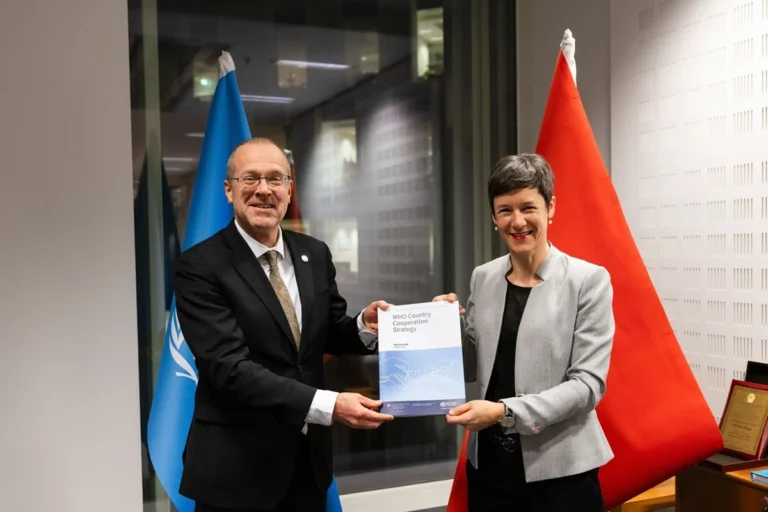
Looking ahead, the dialogue also laid the groundwork for the evolution of the Belgium-WHO collaboration framework, including the renewal of their multi-year agreement and tangible progress toward a refreshed WHO-Belgium Country Cooperation Strategy. This forward momentum is designed to ensure that the enhanced cooperation effectively supports a powerful global health agenda, particularly as defined by the strategic ambitions of WHO’s 14th General Programme of Work (GPW14). There was a unanimous consensus that Universal Health Coverage and the strengthening of health systems must remain at the very core of GPW14’s objectives, serving as essential guiding principles for all future prioritization efforts within WHO. Mr. Dirk Brems, Director of Thematic and Multilateral Cooperation at the Directorate-General Development Cooperation and Humanitarian Aid, articulated Belgium’s perspective on the path forward: "We recognize the World Health Organization as an indispensable and trustworthy partner in the realm of global health. It fills us with immense pride to hear how profoundly our support impacts the Organization’s efforts at the country, regional, and global levels. As we navigate uncharted territories in global health, it is imperative that we continue these vital discussions, and we eagerly anticipate working hand-in-hand to foster strong and sustained multilateralism." This strategic alignment and renewed commitment underscore a collective determination to build a healthier, more equitable, and more resilient world for all.
About the Author