
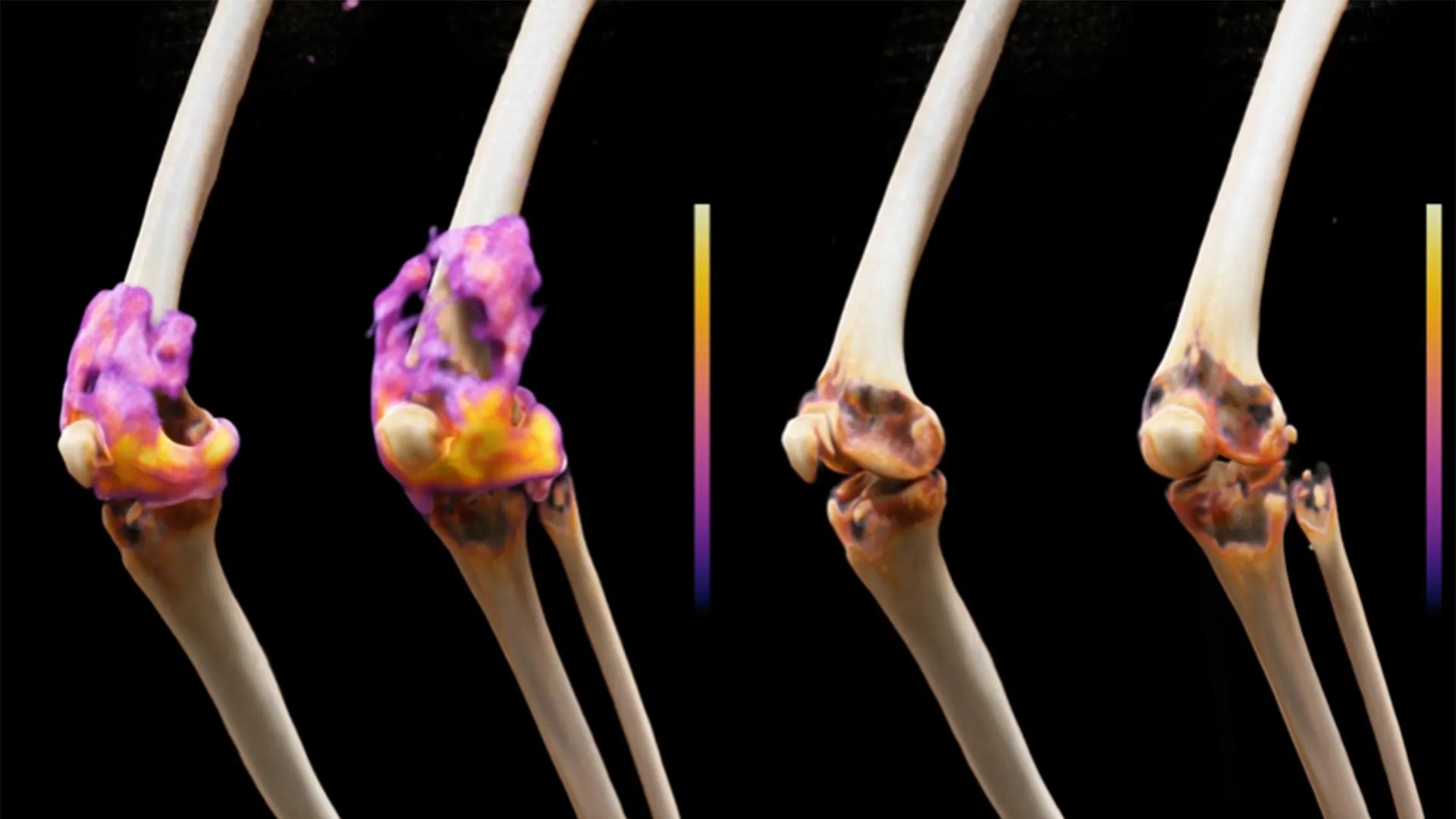
Once exclusively the domain of oncology, advanced cellular therapies are now emerging as a beacon of hope for individuals battling debilitating autoimmune conditions, with early clinical investigations suggesting a paradigm shift in managing rheumatoid arthritis. Scientists are meticulously exploring the potential of chimeric antigen receptor (CAR) T-cell therapy, a highly personalized approach that re-engineers a patient’s own immune cells, to not only alleviate but potentially offer a lasting resolution to autoimmune diseases. A groundbreaking pilot study conducted at Charité-Universitätsmedizin Berlin has yielded exceptionally encouraging initial outcomes in a cohort of six patients suffering from particularly aggressive and treatment-resistant rheumatoid arthritis. This pioneering clinical trial, the first of its kind globally to specifically target rheumatoid arthritis with CAR T-cell therapy, has revealed a significant reduction in disease activity across all participants, with a remarkable three individuals achieving complete remission and discontinuing their rheumatoid arthritis medications by the conclusion of the observation period.
The inherent complexity and often intractable nature of rheumatoid arthritis present substantial challenges for conventional treatment strategies. This chronic autoimmune disorder is characterized by the immune system’s misguided assault on the body’s own joints, triggering persistent inflammation that leads to swelling and, over time, irreversible joint damage. While existing pharmacological interventions are adept at mitigating inflammation, they typically fall short of effecting a cure, necessitating lifelong reliance on anti-inflammatory agents and immunosuppressants. These long-term treatments, though vital for disease management, are frequently accompanied by a spectrum of unwelcome side effects. For a subset of patients, even the most advanced therapeutic options prove insufficient, a condition termed treatment-refractory rheumatoid arthritis, leaving them to endure persistent pain, severely restricted mobility, and a profound diminishment in their overall quality of life.
A critical factor contributing to the recalcitrance of rheumatoid arthritis, as elucidated by Professor David Simon, who co-designed this innovative trial with Professor Gerhard Krönke at Charité’s Department of Rheumatology and Clinical Immunology, lies in the persistence of "disease-driving B cells." These are specialized memory cells of the adaptive immune system that, following an initial infection, can remain dormant within anatomical sanctuaries such as lymph nodes, bone marrow, or joint tissues. From these hidden reservoirs, they continue to generate autoantibodies – antibodies erroneously targeting the body’s own structures – thereby perpetuating the inflammatory cycle and exacerbating the disease. The research team’s hypothesis is that CAR T cells possess the capacity to penetrate these deep-seated tissue niches and systematically identify and eliminate these aberrant B cells, thereby affording the B-cell system an opportunity to reset itself.
The strategic repurposing of CAR T-cell therapy, initially conceived for cancer treatment, underscores its burgeoning versatility. In the oncological arena, CAR T cells are engineered to recognize and eradicate malignant tumor cells. For autoimmune diseases like rheumatoid arthritis, the objective shifts to directing these sophisticated cellular agents against the specific immune cells that perpetuate the pathological process. Professor Simon likens the surface molecule CD19, a common marker on many B cells including both those implicated in blood cancers and those driving rheumatoid arthritis, to a "name tag." The CAR T cells are equipped with a specially designed receptor that functions as a "search sensor," enabling them to precisely locate and bind to CD19-expressing cells.
The intricate process of generating CD19 CAR T-cell therapy commences with the collection of T cells, a crucial component of the immune system responsible for identifying and neutralizing compromised or aberrant cells, from the patient’s bloodstream. These T cells are then subjected to a sophisticated genetic modification process in a laboratory setting. This engineering introduces a chimeric antigen receptor (CAR), an artificial construct designed to specifically recognize and attach to the CD19 target. Prior to the infusion of these modified cells, patients undergo a brief regimen of preparatory chemotherapy. This intervention temporarily reduces the population of certain immune cells, thereby creating an optimal environment for the CAR T cells to proliferate and exert their therapeutic function effectively. The re-engineered cells are subsequently administered to the patient via a single intravenous infusion. Once circulating within the body, these CAR T cells actively seek out and eliminate CD19-positive cells, leading to a transient but profound depletion of all CD19-expressing B cells. This includes the long-lived, disease-driving B cells harbored within the joints, which are notoriously difficult to access with conventional treatments, thereby paving the way for a potential reset of the immune system’s equilibrium.
The inaugural clinical trial designed to rigorously assess both the safety and efficacy of CD19 CAR T-cell therapy in patients with rheumatoid arthritis involved an initial cohort of six individuals exhibiting particularly severe and refractory disease presentations. This group comprised three women and three men, ranging in age from 31 to 69 years. Over the preceding decade, these participants had undergone treatment with as many as eight different targeted or biologic therapies, none of which had provided adequate control over their condition. The primary objectives for the researchers were to ascertain whether CAR T cells could effectively reach the disease-driving B cells residing within the joints and to evaluate the safety profile of this innovative approach.
The findings from the initial phase of the COMPARE trial have been described by the research team as "highly encouraging." Professor Gerhard Krönke, who spearheads the joint Clinical Rheumatology research group at Charité and the German Rheumatology Research Center (DRFZ), an institute affiliated with the Leibniz Association, reported that "disease activity decreased markedly in all six patients." He further elaborated that "During follow-up of up to one year, three patients were in sustained remission without any medication for rheumatoid arthritis." This outcome is deemed particularly noteworthy given that prior established treatments had failed to provide substantial relief for these individuals.
Evidence from the study suggests that the therapeutic impact of CAR T cells extends beyond merely dampening joint inflammation. Researchers observed that the genetically modified immune cells successfully penetrated deeper tissue reservoirs, including the bone marrow, lymph nodes, and joint tissues, effectively clearing disease-promoting B cells from these sites. Subsequent monitoring over a 12-month period revealed a dramatic decline in the levels of autoantibodies associated with rheumatoid arthritis. Professor Simon noted that "When the B-cell system later recovered, predominantly naive B cells that had not yet been shaped by the disease returned. In contrast, the B cells directed against the body’s own tissues that had been present before treatment were no longer detectable in almost all patients, an indication that the treatment may indeed be able to reset the pathological immune memory." Crucially, the study also demonstrated the preservation of protective antibody memory, as antibodies generated from prior vaccinations, such as those for chickenpox and tetanus, remained detectable, suggesting that the profound, albeit temporary, depletion of B cells did not indiscriminately erase all vital immunological memory. Further research is still required to fully understand any potential long-term immunological consequences of this therapy.
While the preliminary results are highly promising, indicating that a single CAR T-cell treatment can induce a sustained period of symptom-free remission and medication independence in certain patients, it is imperative to underscore that the therapy remains experimental. The aspiration for carefully selected patients whose rheumatoid arthritis is unresponsive to current treatments is to achieve a direct reset of pathological immune memory, thereby halting ongoing inflammation rather than merely suppressing it with continuous medication. However, the long-term trajectory and durability of CAR T-cell therapy for autoimmune conditions like rheumatoid arthritis are not yet fully understood.
The response to treatment varied among the six participants, with not all achieving a complete remission, and one patient experiencing a recurrence of their disease after an initial period of remission without medication. Nevertheless, the safety findings thus far are considered encouraging. Dr. Marie Luise Hütter-Krönke, Medical Director of the Hematology Early Clinical Trial Unit at Charité’s Department of Hematology, Oncology and Cancer Immunology, stated that following the administration of CD19 CAR T cells, "we observed only a temporary, mild-to-moderate cytokine release syndrome (CRS) in all participants, which was readily manageable." She further reported the absence of severe neurological complications or other serious adverse events, with infections occurring infrequently.
The next critical step in this research endeavor is the second phase of the COMPARE trial, which will expand to include an additional ten patients. This phase is designed to directly compare the efficacy of CAR T-cell therapy against an established B-cell-targeting drug already approved for rheumatoid arthritis. This comparative analysis aims to elucidate whether CAR T cells offer superior or more durable effects and, crucially, whether they genuinely facilitate a reset of immune memory. Should these findings be corroborated in this subsequent phase and in larger, more extensive studies, CAR T-cell therapy could eventually emerge as a vital new therapeutic option for individuals living with severe rheumatoid arthritis whose lives are significantly impacted by the disease and for whom current treatment paradigms are insufficient.
The initial phase of the COMPARE study was meticulously designed to evaluate the safety and effectiveness of CD19 CAR T-cell therapy in individuals with treatment-resistant rheumatoid arthritis. Key contributions to this pioneering research came from a collaborative effort involving researchers from Charité’s Department of Rheumatology and Clinical Immunology and the Department of Hematology, Oncology and Cancer Immunology at Campus Benjamin Franklin. Scientists from the Cluster of Excellence ImmunoPreCept, the German Rheumatology Research Center (DRFZ), a Leibniz Institute, and the Fraunhofer Institute for Translational Medicine and Pharmacology ITMP also played integral roles. The study was conceived and initiated at Charité and received additional support from Kyverna Therapeutics. It is important to note that Kyverna Therapeutics had no involvement in the study’s design, data collection, analysis, or the presentation of its results.
About the Author












