The experience of a robust, pain-free lower back is often taken for granted until subtle discomforts begin to emerge. For many individuals navigating the later decades of life, specifically those over the age of sixty, minor twinges during routine movements, persistent stiffness after prolonged sitting, or a diminished sense of stability when performing everyday tasks like lifting groceries can signal a gradual decline in spinal support. This common phenomenon is rooted in physiological changes that occur with aging, primarily the natural weakening of the muscles responsible for stabilizing and safeguarding the vertebral column. While the immediate inclination might be to seek out gym equipment for intensive strength training, a growing body of evidence and expert consensus suggests that precisely executed, controlled bodyweight exercises performed in the comfort of one’s home can be remarkably effective, and often safer, for restoring and building lasting lower back strength.
As individuals advance in age, the musculoskeletal system undergoes significant transformations. Sarcopenia, the age-related loss of muscle mass and strength, affects not only large limb muscles but also the intricate network of deep core and spinal stabilizing muscles. Furthermore, intervertebral discs may lose some of their hydration and elasticity, and ligaments can become less pliable, all contributing to reduced spinal resilience. When the muscles that form the "core" – a complex system encompassing the abdominal muscles, back extensors, hip flexors, glutes, and pelvic floor – lose their functional integrity, the lumbar spine becomes more vulnerable to stress and injury. These muscles act as a natural corset, providing essential stability and shock absorption. A weakened core can lead to compensatory movements, where other parts of the body, particularly the lower back itself, are forced to bear undue loads, exacerbating discomfort and increasing the risk of strain.
The conventional wisdom of heading to a gym and loading up weight machines for back strength, while beneficial for some, might not always be the optimal or safest approach for older adults, especially those new to exercise or experiencing chronic pain. Heavy lifting, if performed with improper form or excessive weight, can place significant compressive forces on the spine, potentially leading to injury. Instead, targeted bodyweight movements prioritize controlled activation of the deep stabilizing muscles, enhance proprioception (the body’s awareness of its position in space), and foster improved neuromuscular control – all crucial components for functional back health. These exercises emphasize quality of movement over sheer resistance, allowing individuals to progress at their own pace without the added complexity or potential risks associated with external weights.
Leading fitness professionals increasingly advocate for this accessible, low-impact strategy. James Brady, a certified personal trainer at OriGym, highlights the efficacy of specific bodyweight routines for bolstering core and lumbar strength. He emphasizes that the true strength of the lower back lies not in its ability to lift heavy loads in isolation, but in the coordinated effort of the entire core to maintain spinal neutrality and stability during dynamic movements. This holistic approach ensures that the back is supported from all angles, reducing the likelihood of strain during daily activities. The beauty of these home-based routines lies in their convenience, requiring minimal to no equipment beyond a comfortable mat and a clear space. This eliminates common barriers to exercise, such as gym memberships, transportation, and scheduling conflicts, making consistent practice more attainable.
Among the most recommended exercises for fostering robust lower back health are four foundational movements that can be performed safely and effectively at home. Each targets distinct aspects of core and spinal stability, working synergistically to create a resilient support system for the lumbar region.
1. Bird Dogs: Cultivating Spinal Stability and Neuromuscular Control
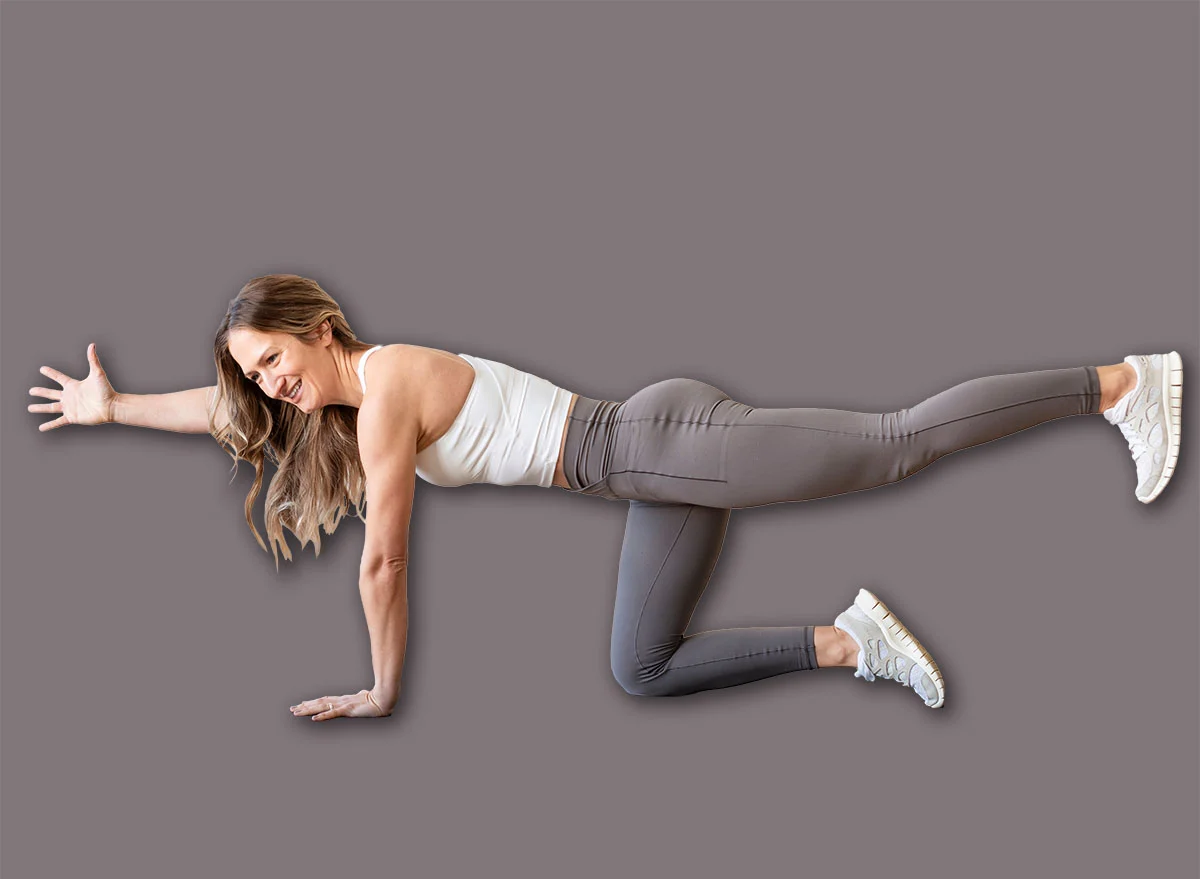
The Bird Dog exercise is a cornerstone of core stabilization, particularly for the lumbar spine. It elegantly challenges the body’s ability to maintain a neutral spine while simultaneously moving opposing limbs, thereby engaging the deep intrinsic stabilizers of the trunk. This movement isn’t about brute force; it’s about precision and control. From an all-fours position, the objective is to extend one arm forward and the opposite leg backward, keeping the torso perfectly still and flat, like a tabletop. The primary muscles at play include the multifidus (small, deep spinal muscles), erector spinae (muscles running along the length of the spine), gluteal muscles, and the transverse abdominis (the deepest abdominal muscle).
The anti-rotation and anti-extension demands of the Bird Dog are particularly beneficial. As the limbs extend, there’s a natural tendency for the hips to rotate and the lower back to arch. Resisting these movements by actively engaging the core muscles teaches the body to stabilize the spine dynamically. This translates directly to improved stability during everyday actions such as reaching for an object overhead, stepping off a curb, or maintaining balance on uneven surfaces. By focusing on slow, deliberate movements and maintaining perfect form, individuals can enhance their body awareness, coordination, and the deep muscular endurance vital for long-term spinal health.
2. Glute Bridges: Empowering the Posterior Chain for Lumbar Support
Often underestimated, the Glute Bridge is a powerful exercise for strengthening the gluteal muscles and, by extension, providing critical support for the lower back. The glutes (gluteus maximus, medius, and minimus) are the primary extensors of the hip. When these muscles are strong and function efficiently, they work in concert with the hamstrings to drive hip extension during movements like standing, walking, and climbing stairs. Conversely, weak or inactive glutes often lead to overcompensation by other muscles, particularly the hamstrings and the lumbar erector spinae, placing undue stress on the lower back.
Performing a Glute Bridge involves lying on your back with knees bent and feet flat on the floor, then pressing through the heels to lift the hips off the ground until the body forms a straight line from shoulders to knees. This action powerfully recruits the glutes, teaching them to properly engage and share the workload during daily movements. Beyond strengthening the glutes, the exercise also activates the core musculature to maintain pelvic stability throughout the lift. The controlled nature of the movement, with the back supported on the floor, makes it an excellent choice for individuals seeking to build foundational posterior chain strength without spinal compression. As strength improves, variations like single-leg glute bridges can further challenge stability and muscular endurance.
3. Dead Bug: Mastering Anti-Extension and Core Integration
Despite its unusual name, the Dead Bug is a highly effective dynamic core exercise designed to enhance abdominal strength and spinal stability by challenging the body’s ability to resist lumbar extension. It specifically targets the deep core muscles, particularly the transverse abdominis, which acts like a natural weightlifting belt, compressing the abdominal contents and providing immense support to the lower back. This exercise teaches the trunk to remain steady and braced while the limbs move independently, mimicking the demands of many functional activities.
Executed by lying on your back with knees bent at 90 degrees and arms extended towards the ceiling, the movement involves slowly lowering one arm and the opposite leg towards the floor without allowing the lower back to arch or lift off the mat. The key is to maintain constant abdominal engagement, pressing the lower back gently into the floor throughout the entire movement. This focus on anti-extension is paramount; it trains the core to act as a brace, protecting the lumbar spine from excessive movement. The Dead Bug is excellent for improving neuromuscular coordination, fostering a strong mind-muscle connection, and building the endurance of the deep core stabilizers, which are vital for maintaining good posture and preventing back pain during activities that require reaching or carrying.
4. Prone Back Extensions: Gentle Strengthening for Spinal Erectors
Prone Back Extensions, sometimes referred to as Superman variations or gentle lumbar extensions, are specifically designed to target the erector spinae muscles – the muscles that run along the length of the spine, responsible for spinal extension and maintaining an upright posture. Unlike traditional hyperextension exercises that can place excessive strain on the lumbar discs, the prone back extension emphasizes a small, controlled range of motion, prioritizing targeted muscle activation over a large lift.
To perform this exercise, lie face down on the floor with arms extended forward or hands placed behind the head. The movement involves gently lifting the chest and arms (and optionally, the legs) a few inches off the floor, engaging the muscles along the back of the spine. The crucial element here is to avoid over-arching the back; the lift should be minimal, controlled, and driven by the back muscles, not momentum. This gentle engagement helps to strengthen the posterior chain without compromising spinal integrity. By focusing on a subtle, sustained contraction, individuals can effectively improve the endurance and strength of these critical postural muscles, which are essential for maintaining an erect posture and providing robust support to the lower back throughout the day.
Beyond the Exercises: A Holistic Approach to Lumbar Health
While these four exercises form a powerful foundation for rebuilding lower back strength and stability, their efficacy is amplified when integrated into a broader wellness strategy. Consistency is paramount; incorporating these movements regularly, perhaps two to three times per week, will yield far greater benefits than sporadic, intense sessions. Proper form should always take precedence over the number of repetitions or speed of execution. If pain occurs, stopping the exercise and consulting a healthcare professional is crucial.
Furthermore, attention to other lifestyle factors significantly impacts spinal health. Maintaining good posture throughout the day, whether sitting, standing, or lifting, can alleviate undue stress on the lower back. Adequate hydration supports the health of intervertebral discs. A balanced diet provides the nutrients necessary for muscle repair and bone health. Managing stress, which can manifest as muscle tension, and ensuring sufficient restorative sleep also contribute significantly to overall physical well-being and pain management.
In conclusion, for adults over sixty seeking to enhance their lower back strength and mobility, the path doesn’t necessarily lead to the gym. A well-designed, home-based bodyweight program focusing on foundational core and spinal stabilizing exercises offers a safe, accessible, and highly effective alternative. By consistently performing movements like Bird Dogs, Glute Bridges, Dead Bugs, and Prone Back Extensions, individuals can cultivate a resilient core, mitigate the effects of age-related muscle decline, and significantly improve their quality of life, ensuring that daily movements remain secure and pain-free. Always remember to consult with a medical professional or a certified fitness expert before embarking on any new exercise regimen, particularly if you have pre-existing health conditions or chronic pain.
About the Author