The human body, a marvel of biomechanical engineering, experiences the inevitable passage of time, and with it, a gradual transformation of its intricate joint structures. While the wisdom and experiences accumulated over years bring their own richness, the physical realm can present challenges, notably in the form of joint discomfort. This pervasive issue, often perceived as an unavoidable consequence of aging, can be exacerbated by a common, yet frequently overlooked, misunderstanding of how to best support these vital articulations. Many mistakenly believe that to mitigate joint pain, one must cease physical activity, a notion that, contrary to popular belief, often leads to a decline in joint function and an increase in discomfort. The scientific consensus, however, points towards a nuanced approach where targeted movement and specific types of exercise are not only beneficial but crucial for maintaining joint health and alleviating pain.
At the core of each joint’s functionality lies articular cartilage, a specialized, resilient connective tissue that forms a smooth, protective covering over the ends of bones. This remarkable material acts as a natural shock absorber and facilitates seamless movement by minimizing friction during articulation. Complementing the role of cartilage is synovial fluid, a viscous liquid that acts as a lubricant within the joint capsule. This fluid is essential for reducing the abrasive forces between opposing cartilaginous surfaces and, critically, serves as a conduit for delivering vital nutrients to the avascular cartilage. The intricate relationship between cartilage and synovial fluid is paramount; without adequate lubrication and nourishment, the cartilage’s ability to withstand the daily stresses of movement diminishes.
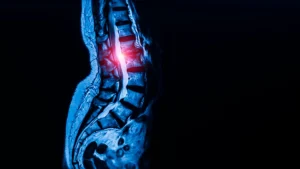
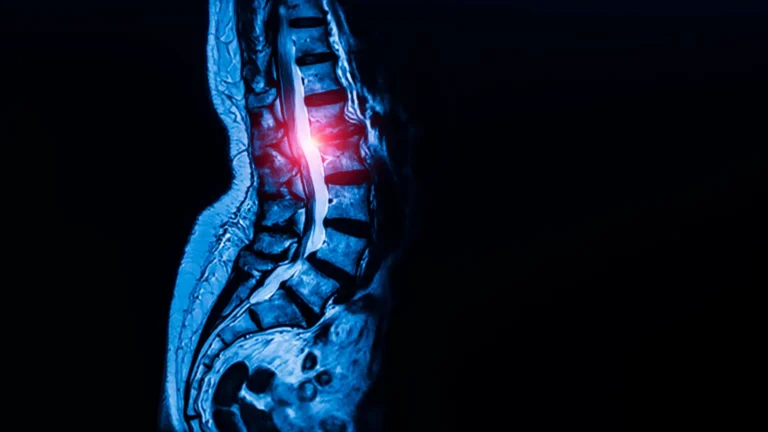
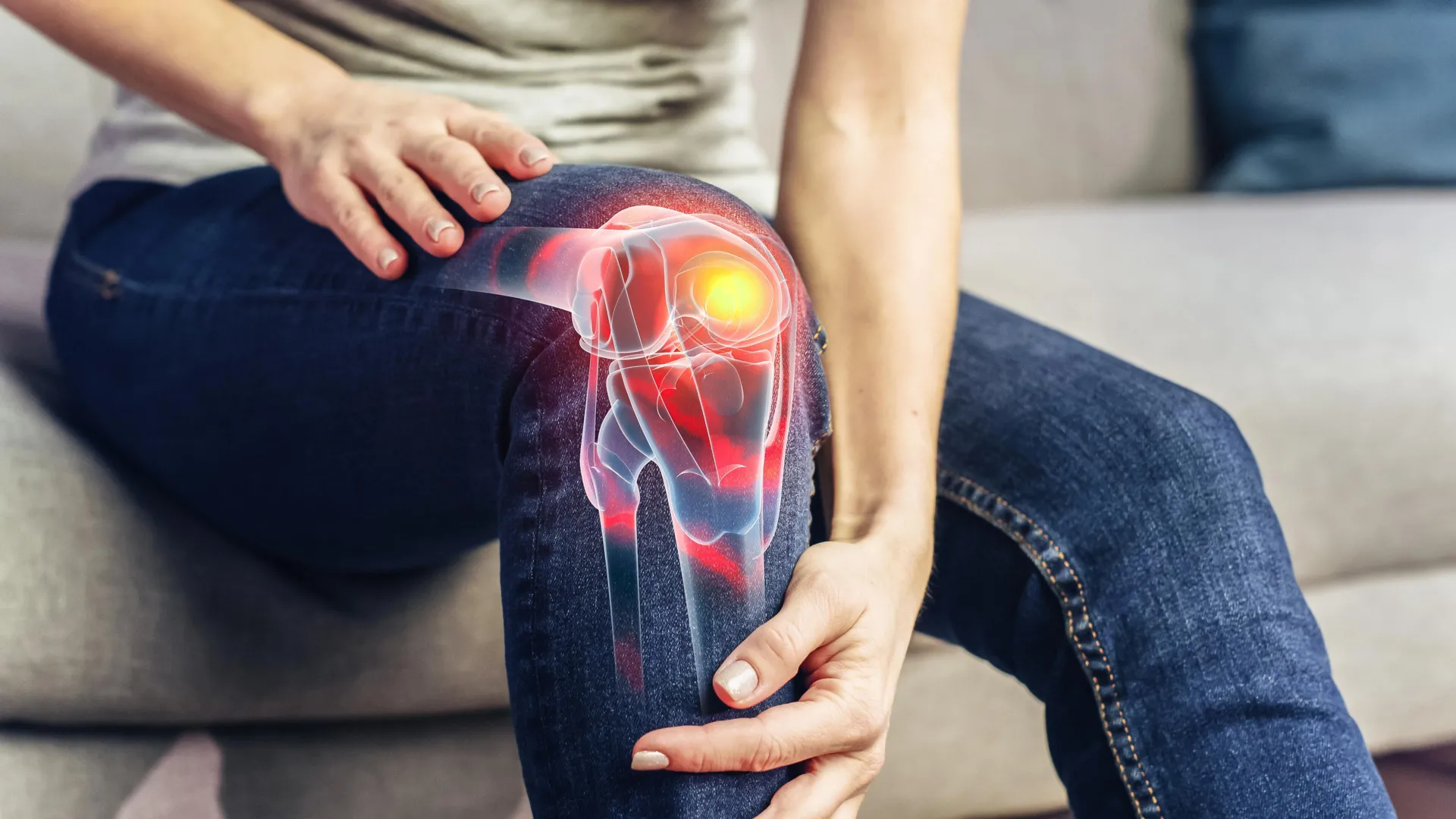
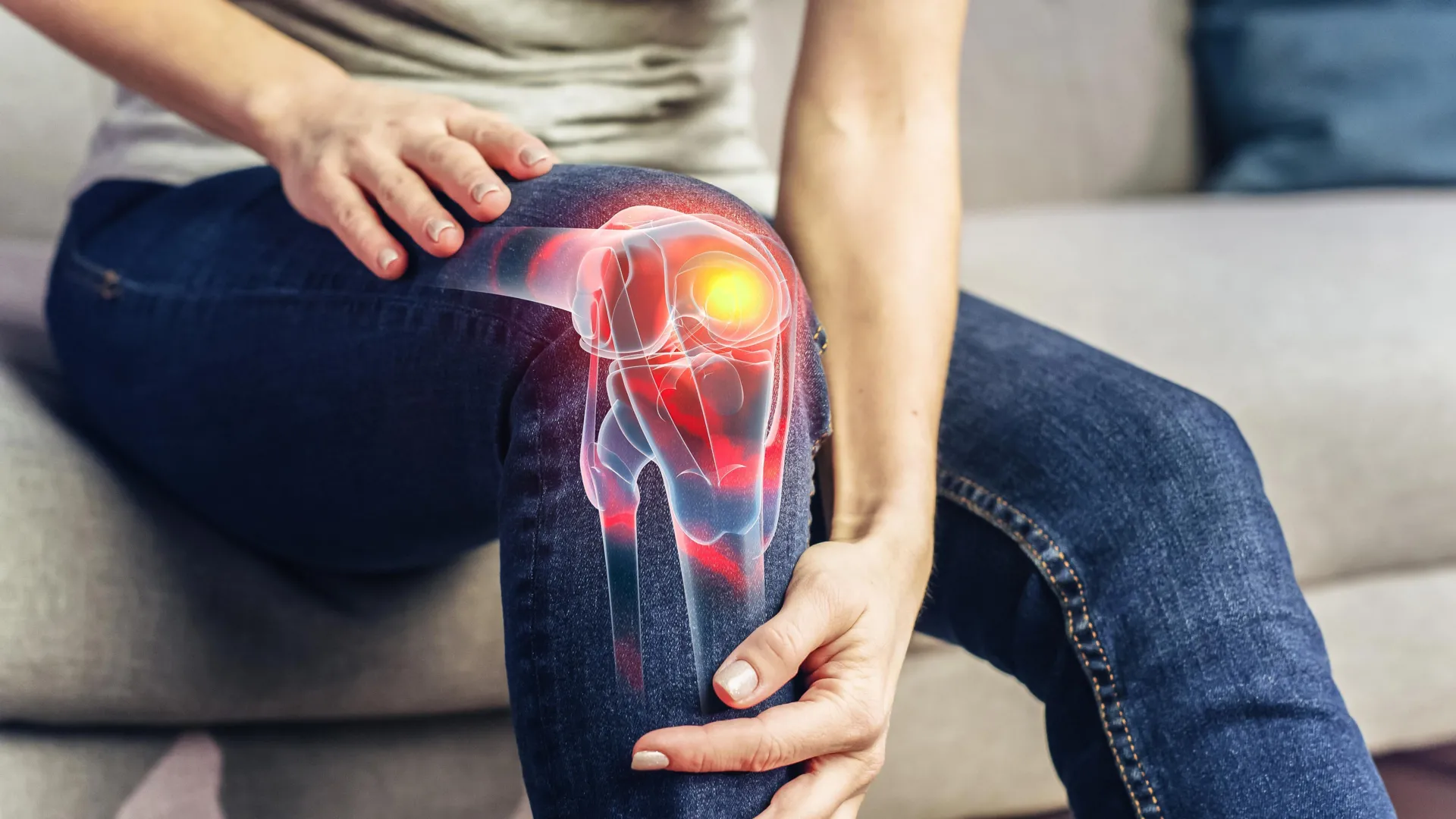
The inherent vulnerability of cartilage lies in its limited capacity for self-repair. Unlike many other tissues in the body, cartilage lacks a direct blood supply, meaning it cannot readily access the resources needed for regeneration and healing. This deficiency makes it particularly susceptible to wear and tear over time. When this gradual degradation of articular cartilage occurs, it often manifests as osteoarthritis, a chronic condition affecting hundreds of millions globally. The symptoms are typically most pronounced in weight-bearing joints, such as the knees, hips, and spine, where the cumulative load magnifies the effects of diminished cartilage.
The prevailing misconception that rest is the antidote to joint pain overlooks the dynamic nature of joint health. The body’s mechanism for distributing synovial fluid is inherently linked to movement. Engaging in physical activity, particularly low-impact forms, stimulates the circulation of this vital fluid, ensuring that nutrients reach the cartilage. Furthermore, the muscles surrounding the joints play a pivotal role as natural shock absorbers. Strengthening these muscular supports, through activities like resistance training, effectively reduces the direct impact and pressure placed on the joints. Research has highlighted the particular efficacy of targeting the quadriceps, the group of muscles at the front of the thigh, for their significant contribution to alleviating knee joint pain.
A comprehensive review of existing research, specifically a landmark Cochrane review, unequivocally demonstrated the positive impact of exercise on individuals with osteoarthritis. The findings indicated that exercise not only alleviates pain but also substantially improves functional capacity in those suffering from knee osteoarthritis. Crucially, the review also established that the benefits of exercise in managing pain were comparable to those derived from anti-inflammatory medications, but without the associated systemic side effects. This underscores exercise as a powerful, natural intervention for joint health.
Beyond pain reduction and functional enhancement, exercise plays a vital role in maintaining proprioception, the body’s sophisticated ability to sense its own position, movement, and orientation in space. As individuals age, proprioceptive capabilities can decline, leading to a reduced awareness of joint position and an increased likelihood of uneven weight distribution. This can, in turn, accelerate the wear and tear on joint structures. Engaging in exercises that challenge balance and require constant adjustments, such as those performed on varied or unstable surfaces, actively stimulates and reinforces proprioceptive pathways. This keeps the ankle, knee, and hip joints engaged, promoting greater stability and flexibility.
Low-impact exercises are particularly well-suited for individuals seeking to protect their joints while remaining active. These activities are characterized by minimal jarring or forceful impact, typically involving keeping at least one foot in contact with the ground or utilizing body support systems. Swimming and water aerobics exemplify this category, with the buoyancy of water supporting a significant portion of body weight, thereby dramatically reducing stress on the joints. Cycling has also been identified as a beneficial activity, especially for the health of the knees, by providing a smooth, continuous motion without the impact associated with running or jumping.
More specialized forms of movement, such as Tai Chi, a practice rooted in gentle, flowing movements and mindful breathing, have shown remarkable efficacy. Studies suggest that Tai Chi can be as effective as formal physical therapy in managing the symptoms of knee osteoarthritis. Similarly, yoga, with its emphasis on controlled poses and stretching, contributes to strengthening the musculature surrounding the joints and enhancing overall flexibility, further supporting joint integrity.
Walking, a seemingly simple activity, offers unique benefits when performed with intention. Opting for walking routes that incorporate uneven terrain, such as grassy paths, gravel trails, or sandy beaches, introduces an element of instability that requires the joints to make micro-adjustments. This constant engagement helps to preserve proprioception and improve postural control, particularly in older adults. Research from 2026 indicated that training on unstable surfaces significantly enhances the ability of older individuals to maintain balance. Moreover, a systematic review found that exercises designed to challenge participants’ balance capabilities led to a notable reduction in fall rates, approximately 23%. Given that falls are the leading cause of injury-related mortality in individuals over 65, improving balance through targeted exercise is a critical preventative measure.
For those new to low-impact exercise, a structured and gradual approach is essential for both safety and effectiveness. The principle of "starting small" cannot be overstated. Initial efforts do not necessitate specialized equipment; instead, prioritizing walking on natural, uneven surfaces over hard pavement can yield immediate benefits for joint mobility. Even a brief ten-minute walk across a park lawn can contribute to improved joint movement. Simple balance exercises, such as standing on one leg while performing routine tasks like brushing teeth, can be incorporated. It is advisable to begin on a firm surface, aiming for a sustained hold on each leg, and gradually progress to more challenging surfaces like a folded towel or a foam pad, ensuring mastery at each stage before advancing.
The importance of utilizing support mechanisms cannot be overemphasized, particularly in the initial phases of any exercise program. Performing low-impact exercises in proximity to a stable object, such as a park bench or a bathroom counter, provides a readily available safety net. For walkers, the use of specialized walking poles can offer additional stability and reduce strain on the lower extremities. A critical caveat is to avoid exercising on unstable surfaces when feeling fatigued, as this increases the risk of missteps and falls.
Seeking professional guidance is a prudent step to ensure that an exercise regimen is both safe and optimally beneficial. While exercise is generally safe, certain movements, if performed incorrectly or beyond one’s capacity, can lead to injury. For instance, holding a yoga pose with excessive force or improper alignment can strain the lower back, shoulders, or knees, and deep squats or lunges performed with poor form can place undue stress on the knee joint. Consulting with a certified exercise physiologist or a physical therapist before commencing a new program is highly recommended. These professionals possess the expertise to design personalized exercise plans that cater to individual needs, physical conditions, and specific goals, thereby maximizing benefits while minimizing risks.
In conclusion, while the aging process inevitably brings changes to our joints, the notion that increased pain is an unavoidable consequence is largely a misconception. By understanding the biomechanics of joint health and embracing low-impact exercise as a proactive strategy, individuals can significantly mitigate discomfort and enhance joint function. The key lies not in avoiding movement, but in engaging in it intelligently and purposefully, regardless of age, to support the longevity and resilience of these vital bodily structures.
About the Author