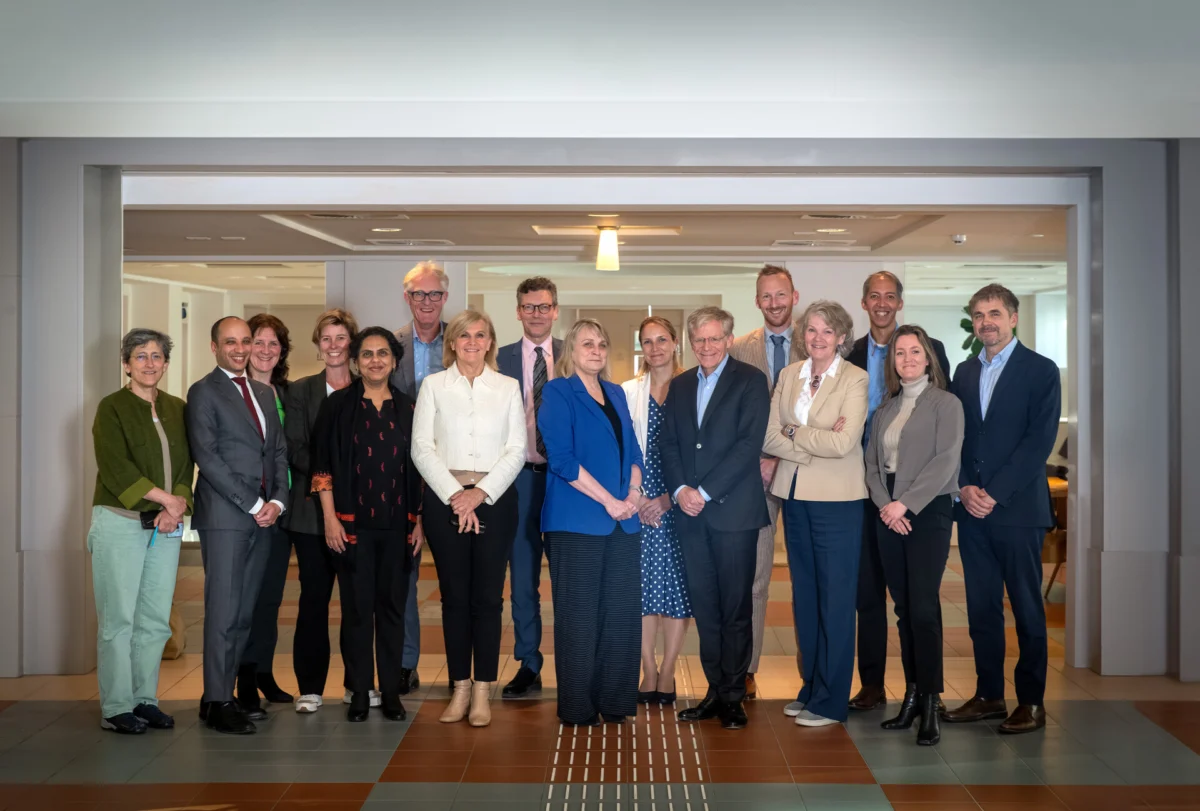
In a pivotal gathering held in The Hague on April 10, 2024, the World Health Organization (WHO) and the Kingdom of the Netherlands engaged in a high-level strategic dialogue, meticulously charting a course for deepened collaboration against an increasingly complex global health backdrop. This significant meeting was designed to synchronize the Dutch Global Health Strategy with the WHO’s overarching strategic objectives, marking a renewed commitment within their established partnership. The discussions extended beyond mere alignment, delving into the formidable challenges currently facing humanity and identifying pathways for collective action to safeguard and advance public health worldwide.
The global health landscape is currently navigating unprecedented turbulence, characterized by persistent geopolitical conflicts, the escalating frequency and intensity of natural disasters, and the pervasive, long-term implications of climate change. These intertwined crises exert immense pressure on health systems, exacerbate existing vulnerabilities, and disproportionately affect marginalized communities, creating widening disparities in health outcomes and access to essential services. For a nation like the Netherlands, with its highly interconnected public health infrastructure and deeply ingrained commitment to international cooperation, domestic health security is inextricably linked to global health stability. It is within this intricate context that the recent strategic dialogue emerged as a crucial forum for articulating a long-term, shared vision for the future of global health governance and intervention.
A cornerstone of this renewed partnership is the Netherlands’ steadfast dedication to universal health coverage, human rights principles in healthcare, and equitable access to comprehensive health services for all individuals. This commitment is not merely rhetorical but is deeply embedded in the nation’s foreign policy and development aid strategies, positioning the Netherlands as a critical and consistent advocate for global health equity. The country’s proactive stance and substantial contributions have solidified its reputation as a global health leader and a highly trusted partner within the WHO’s extensive network.
A key tangible outcome of the 2024 Strategic Dialogue was the explicit recognition of a strong congruence between the Netherlands’ own Global Health Strategy and the WHO’s upcoming 14th General Programme of Work (GPW14). The GPW14 serves as the WHO’s overarching strategic roadmap for the period 2025-2029, outlining its priorities and defining its operational framework for addressing the world’s most pressing health challenges. This alignment is critical, as it promises to unlock powerful synergies across a spectrum of vital public health domains.
Among the identified areas for intensified cooperation are initiatives aimed at strengthening health systems globally. This involves building resilient primary healthcare infrastructure, enhancing service delivery capacity, and ensuring robust governance structures that can withstand shocks and adapt to evolving health needs. The dialogue also placed a strong emphasis on bolstering pandemic preparedness and response mechanisms, a lesson learned painfully from recent global health emergencies. Collaborative efforts will focus on developing early warning systems, strengthening surveillance capabilities, and ensuring equitable access to countermeasures such, as vaccines and therapeutics, to prevent future outbreaks from spiraling into global crises.
Furthermore, the escalating health impacts of climate change formed a significant part of the discussions. Recognizing that climate change poses one of the gravest threats to human health in the 21st century, both parties committed to integrating climate resilience into health policies and programs. This includes addressing issues such as heat-related illnesses, vector-borne diseases, food and water insecurity, and the mental health consequences of climate disasters. Another critical area of focus is antimicrobial resistance (AMR), a silent pandemic that threatens to undermine decades of medical progress. Joint strategies will aim to promote responsible antimicrobial use, strengthen surveillance of resistant pathogens, and foster research and development of new antibiotics and alternative therapies. Mental health support, often overlooked in global health agendas, was also highlighted as a priority, particularly in contexts of emergencies and protracted crises, emphasizing the need for integrated mental health services within primary healthcare.
Reflecting on the productive discussions, Ms. Marjolijn Sonnema, Director General for Public Health at the Netherlands’ Ministry of Health, Welfare and Sport, underscored the profound commitment demonstrated by both entities. "Throughout all sessions of this Strategic Dialogue, the WHO and the Netherlands unequivocally showed a dedication to cooperation and to deepening their partnership," Ms. Sonnema stated, emphasizing that this resolve is "based on the strong alignment between their respective priorities and objectives." This sentiment reinforces the idea that shared values and convergent strategic goals are the bedrock of effective international collaboration.

Dr. Bruce Aylward, WHO Assistant Director-General for Universal Health Coverage, Life Course, echoed these sentiments while highlighting the urgency of the global health challenges. "At a time when inequity in health and in access to essential health services and financial protection is increasing, disproportionately impacting the poor and most vulnerable, the Netherlands stands as a global health leader and trusted WHO partner," Dr. Aylward observed. He further emphasized the shared priorities, including sexual and reproductive rights, gender equity, health security, and climate resilience, expressing optimism for a strengthened partnership "to enhance the health and well-being of all, globally and in the Netherlands." These remarks underscore the moral imperative driving the collaboration and the Netherlands’ crucial role in advocating for the most vulnerable populations.
The dialogue also addressed the imperative of ensuring more sustainable financing for the WHO, a challenge critical for its operational effectiveness. In this context, the WHO specifically acknowledged the Netherlands’ exemplary role as a flexible donor. Flexible funding, unlike highly earmarked contributions, allows the WHO to allocate resources where they are most urgently needed, enabling agile and rapid responses to unforeseen health crises and supporting core programmatic work that often struggles to attract specific donor interest. This understanding culminated in an agreement around the vital necessity of the inaugural WHO Investment Round. This ambitious initiative aims to mobilize predictable, sustainable, and flexible resources, which are indispensable for the WHO to respond swiftly and effectively to global health challenges and to improve health outcomes, particularly for the world’s most vulnerable communities. The Netherlands’ early support for this paradigm shift in financing mechanisms signals a progressive approach to global health funding.
Beyond programmatic alignment, discussions also touched upon navigating the complex geopolitical landscape, acknowledging how contemporary tensions can both hinder and present unique opportunities for advancing global health objectives. Both the WHO and the Netherlands stressed the enduring importance of sustained multilateral collaboration as the primary means to address pressing health issues comprehensively, transcending political divides. This necessitates fostering an environment of trust and shared responsibility, even amidst international disagreements.
The 2022 Strategic Dialogue between the Netherlands and the WHO served as a foundational precursor, explicitly calling upon both partners to enhance synergies between the WHO’s priorities and the then-newly formulated Dutch Global Health Strategy. The recent 2024 dialogue represents a significant progression from this initial call, demonstrating concrete steps towards realizing that vision. This continuity highlights a deliberate and evolving partnership, rather than a series of isolated meetings.
Looking ahead, the specific outcomes and agreements forged during the 2024 dialogue are poised to directly inform and shape future collaborative endeavors between the Netherlands and the WHO. This structured approach ensures that efforts are meticulously aligned, and resources are optimally utilized to achieve tangible improvements in health outcomes across the globe. The enduring partnership between the Netherlands and the WHO stands as a formidable pillar within the global health architecture, embodying a profound and shared commitment to advancing the health and well-being of all people, irrespective of their geographical location or socio-economic status.
The Netherlands’ commitment is further evidenced by its substantial financial contributions. During the 2022-2023 biennium, the Netherlands emerged as one of the top five flexible contributors to the WHO, providing nearly US$ 19 million in core voluntary contributions. In total, the nation contributed over US$ 106 million to the WHO within the same period, with a remarkable US$ 93 million – almost 90% – comprising voluntary funding. This financial bedrock enables critical WHO operations across a wide range of essential public health initiatives.
Beyond monetary support, the Netherlands also bolsters the WHO’s operational capacity through the secondment of highly skilled staff, lending invaluable technical expertise to various programs and emergency responses. Furthermore, the country actively supports the professional development of future public health leaders through its participation in the WHO’s Junior Professional Officer Programme. These multifaceted contributions, channeled through both the Ministry of Foreign Affairs and the Ministry of Health, Welfare and Sport, unequivocally underscore the Netherlands’ unwavering recognition of the WHO’s central and indispensable role in coordinating global health efforts.
Through this comprehensive support, the Netherlands directly contributes to crucial activities spanning sexual and reproductive health rights, ensuring access to safe water and sanitation, providing mental health services in humanitarian emergencies, strengthening emergency preparedness frameworks, combating tuberculosis, promoting the integrated "One Health" approach (recognizing the interconnectedness of human, animal, and environmental health), advancing primary health care systems, and mitigating the threat of antimicrobial resistance. This extensive portfolio of engagement also facilitates crucial cooperation with leading Dutch academic and research institutions, fostering innovation and knowledge exchange that benefits global health.
About the Author