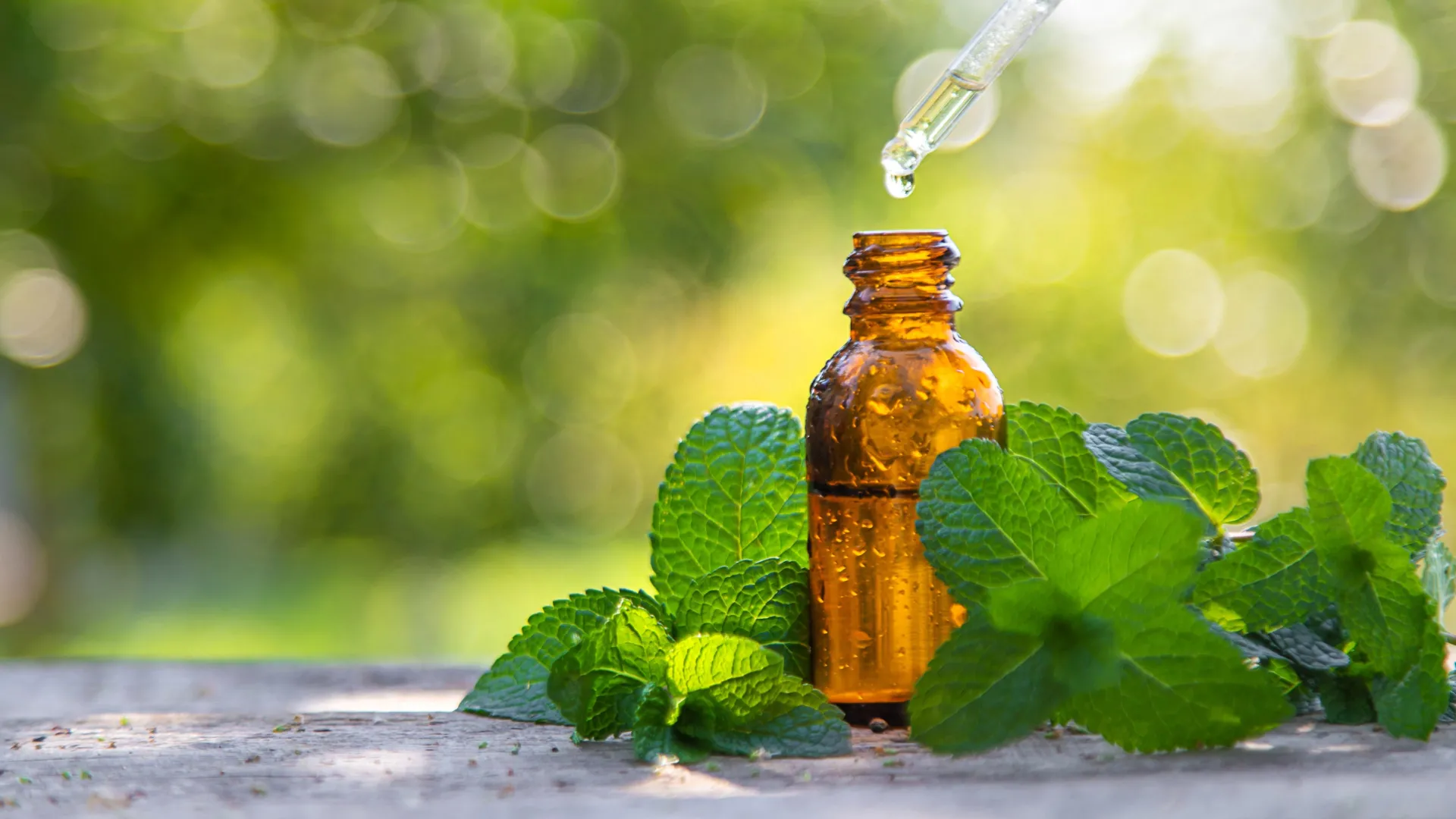
A recent scientific investigation has unveiled compelling evidence suggesting that regular consumption of peppermint oil might serve as a straightforward and accessible intervention for individuals experiencing mildly elevated blood pressure. The study, conducted by a team of researchers at the University of Lancashire, focused on the potential hypotensive effects of this widely available botanical extract. Their findings indicate a statistically significant reduction in systolic blood pressure after a relatively short period of consistent intake.
The research methodology involved administering a precise daily dosage of 100 microliters of peppermint oil, divided into two separate administrations, to a cohort of participants over a 20-day timeframe. The results demonstrated an average decrease of 8.5 millimeters of mercury (mmHg) in systolic blood pressure, often referred to as the "top number" in a standard blood pressure measurement, which reflects the pressure in arteries when the heart beats. This observed effect positions peppermint oil as a potentially valuable, low-cost, and easily tolerated dietary supplement for managing prehypertension or early-stage hypertension, conditions characterized by blood pressure readings that are higher than normal but not yet in the severe range.
Published in the peer-reviewed journal PLOS One, these findings contribute to a growing body of research exploring naturalistic approaches to cardiovascular health. The study’s lead author, Dr. Jonnie Sinclair, a Reader in Sport and Health Sciences, emphasized the substantial global burden associated with high blood pressure. He highlighted that hypertension is a leading contributor to heart disease and mortality worldwide, necessitating significant healthcare expenditure for its management. While pharmaceutical interventions are standard practice, Dr. Sinclair pointed out that their long-term efficacy can be variable, and they are often accompanied by a spectrum of undesirable side effects. This context underscores the importance of exploring alternative or complementary strategies, such as those derived from natural sources.
Peppermint, a plant renowned for its aromatic properties and traditional medicinal uses, contains a rich profile of bioactive compounds. Key among these are menthol, known for its cooling sensation and potential physiological effects, and flavonoids, a class of plant pigments with antioxidant and anti-inflammatory properties. The researchers designed their study to systematically investigate the impact of these constituents on blood pressure regulation. To achieve this, they recruited 40 adult participants, aged between 18 and 65 years, and employed a randomized controlled trial design. Participants were assigned to one of two groups: one group received the active peppermint oil supplement, while the control group was given a placebo that mimicked the flavor of peppermint but lacked the active oil compound. The experimental design aimed to isolate the effects of the peppermint oil itself from any psychological or placebo-driven responses.
The outcomes of the study were striking, with the group receiving daily peppermint oil exhibiting a clear improvement in their blood pressure readings. In contrast, the placebo group did not show any statistically significant changes, lending strong support to the hypothesis that the observed blood pressure reduction was directly attributable to the peppermint oil. This distinction is crucial in scientific research, as it helps to differentiate genuine physiological effects from non-specific responses.
Beyond the primary focus on systolic blood pressure, the research team undertook a comprehensive evaluation of various physiological and psychological markers. This holistic approach aimed to capture a broader understanding of peppermint oil’s systemic effects. The researchers meticulously tracked several other health indicators, including changes in body measurements, results from blood tests designed to assess metabolic and inflammatory markers, diastolic blood pressure (the "bottom number" representing pressure in arteries when the heart rests between beats), heart rate, subjective measures of mental well-being, and reported sleep quality. While the study’s primary reported success lies in blood pressure modulation, the inclusion of these additional metrics suggests a broader inquiry into the overall health benefits of peppermint oil.
Dr. Sinclair further elaborated on the profound implications of their findings. He stated that the results were "very positive" and possess "significant clinical implications." This assertion is rooted in the understanding that arterial hypertension stands as the most prevalent preventable risk factor for cardiometabolic diseases, a group of conditions encompassing heart disease, stroke, and diabetes. Furthermore, it is recognized as the single greatest contributor to global mortality. The potential of an inexpensive and readily available natural substance like peppermint oil to mitigate this risk factor is therefore of considerable interest to public health initiatives and individual health management strategies.
The accessibility and affordability of peppermint oil were key considerations highlighted by Dr. Sinclair. He noted that the oil is characterized by its low caloric content and economical price point, making it a practical and cost-effective solution. This attribute is particularly significant when considering the potential to impact public health on a large scale. If peppermint oil can indeed offer a viable strategy for managing elevated blood pressure, it could provide a much-needed accessible option for millions of individuals worldwide, particularly in regions where access to advanced medical treatments or expensive pharmaceuticals may be limited. The prospect of a simple dietary addition addressing a major global health challenge presents an exciting avenue for further research and potential clinical application. The study’s success encourages further exploration into the precise mechanisms by which peppermint oil exerts its hypotensive effects, potentially paving the way for its integration into broader public health recommendations for cardiovascular wellness.
About the Author