
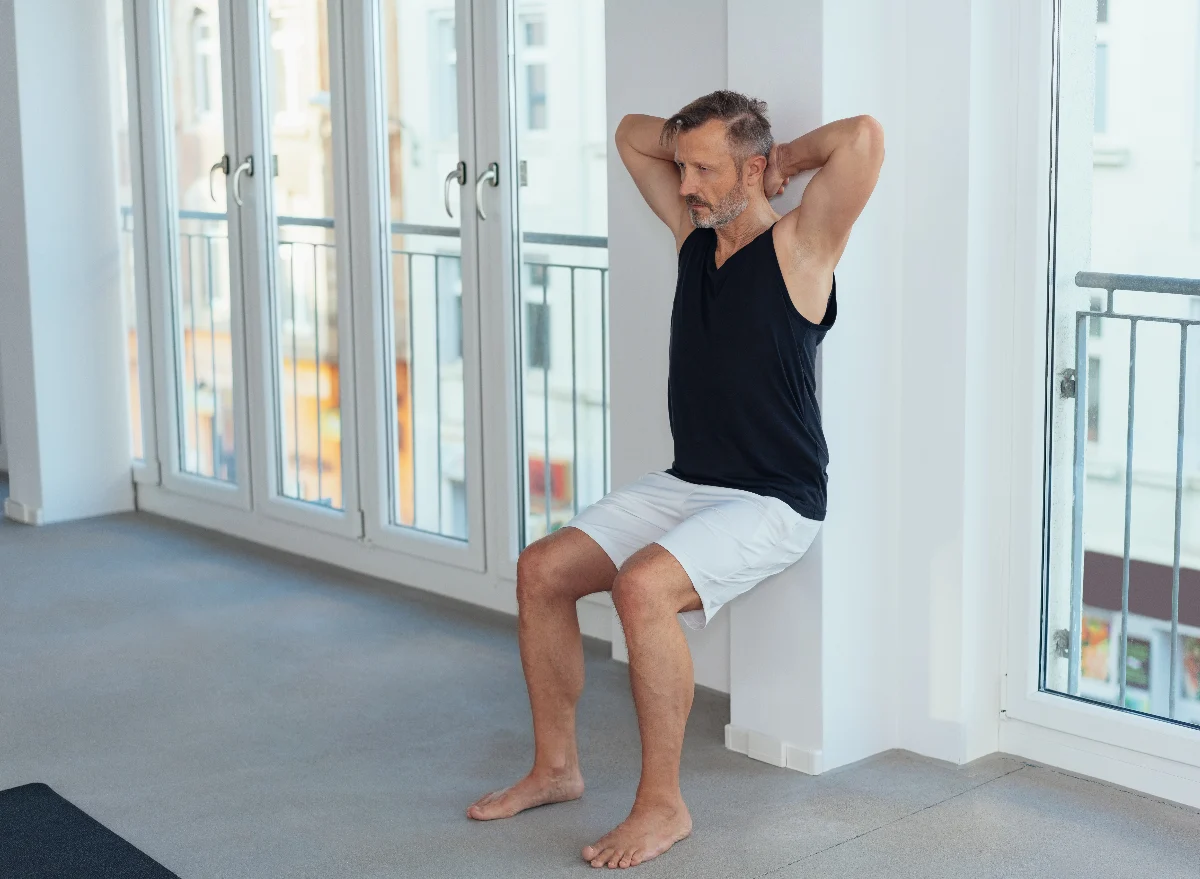
As individuals navigate the landscape of midlife and beyond, maintaining robust physical capabilities becomes increasingly pivotal for preserving independence and enhancing overall quality of life. While many often associate formidable leg strength with dynamic, high-intensity exercises involving heavy weights and rapid movements, a more nuanced and perhaps more relevant measure of lower body resilience, particularly for those over the age of fifty, lies in the seemingly simple wall sit. This accessible isometric exercise serves as a powerful diagnostic tool, offering profound insights into an individual’s capacity for sustained muscular endurance and control, qualities that are often more indicative of real-world functional fitness than explosive power alone. It challenges the conventional wisdom that youth automatically confers superior physical endurance, revealing that consistent effort and proper technique can enable older adults to demonstrate leg fortitude surpassing that of many younger cohorts.
The prevailing imagery of "strong legs" frequently conjures visions of intense gym sessions, powerlifting feats, or rapid athletic performance. However, for everyday living, a different kind of strength often proves more valuable: the ability to maintain a position against gravity or resistance without movement. This is precisely where the wall sit shines. It measures isometric strength, which is the muscular force generated when a muscle contracts without changing length, holding a joint in a fixed position. As we age, the preservation of this type of strength is crucial. It underpins stability when standing for prolonged periods, provides the foundation for balance, and contributes significantly to the confidence and ease with which daily activities are performed. For someone over fifty, the capacity to hold the challenging posture demanded by a wall sit with unwavering control speaks volumes about the intrinsic strength and endurance of their quadriceps, glutes, and core musculature.
A compelling aspect of the wall sit’s utility is its potential to highlight disparities in endurance that transcend chronological age. It is not uncommon to observe younger adults who excel in dynamic exercises, yet falter when tasked with maintaining a static, challenging position for an extended duration. This phenomenon underscores that swift, repetitive motion does not inherently translate into superior muscular stamina. The wall sit, conversely, directly rewards traits such as mental fortitude, consistent muscular engagement, and the physiological capacity to sustain effort once the familiar burning sensation of fatigue begins to set in. Therefore, successfully completing and progressively improving one’s wall sit hold time offers a tangible, self-affirming measure of physical accomplishment, fostering motivation and demonstrating tangible progress in functional fitness.
Before delving into the specifics of execution and performance benchmarks, it is essential to understand the underlying physiological rationale that positions the wall sit as such an effective assessment tool, particularly for an aging demographic. With advancing years, the human body naturally undergoes various changes, including sarcopenia, the age-related loss of muscle mass and strength, and a decline in muscular endurance. Isometric exercises, like the wall sit, are particularly beneficial in counteracting these effects because they can be performed with minimal joint movement, thereby reducing the impact and potential for injury often associated with dynamic, weight-bearing activities. By demanding continuous tension in the quadriceps and gluteal muscles, the wall sit directly targets major muscle groups responsible for lower body stability and power. The constant engagement required to prevent the knees from altering their angle and to keep the hips stable illustrates why this exercise, initially feeling quite manageable, rapidly escalates in intensity, providing a clear and honest gauge of sustained muscular effort.
The practical value of this static hold is multi-faceted. It offers a transparent insight into an individual’s lower-body strength endurance within a fixed anatomical configuration. Unlike exercises that rely on momentum, rhythm, or the speed of repetitions, the wall sit solely evaluates how long the leg muscles can maintain a strong, correct posture before fatigue compromises form. For those above fifty, this particular balance of challenge and accessibility makes the wall sit exceptionally useful. It effectively taxes the leg muscles, provides an objective score, and allows for simple modifications to adjust the difficulty without requiring specialized gym equipment. A prolonged, well-executed hold signifies that an individual’s lower body possesses a commendable tolerance for sustained muscular tension, the ability to maintain proper alignment, and the resilience to remain steady even as the physical exertion intensifies.
Achieving an exemplary wall sit begins with meticulous setup and adherence to proper form. A stable and strong starting position is paramount for an accurate and beneficial assessment. Before descending into the squat, ensure your feet are properly positioned, your back is pressed firmly against a flat wall, and you select a depth that you can comfortably sustain without experiencing undue discomfort or strain in the knees. The overarching objective is consistency; the more reproducible your chosen position, the more meaningful your recorded hold times will become for tracking progress.
To perform a wall sit correctly:
- Preparation: Stand with your back against a sturdy, flat wall. Position your feet approximately shoulder-width apart, about two feet away from the wall.
- Descent: Slowly slide your back down the wall until your thighs are roughly parallel to the floor, or as close as comfortable and stable. Your knees should ideally form a 90-degree angle, directly above your ankles. Ensure your shins are perpendicular to the floor.
- Engagement: Press your entire back, from your head to your lower back, flat against the wall. Engage your core muscles to maintain stability. Your arms can rest gently at your sides or be extended forward for balance, but avoid using them to push off the wall.
- Hold: Maintain this static position for as long as possible while preserving proper form. Begin timing as soon as you reach the desired depth.
- Termination: Stop the timer when your form breaks—e.g., your back lifts from the wall, your thighs rise significantly, your feet slide, or your knees begin to buckle inward or outward.
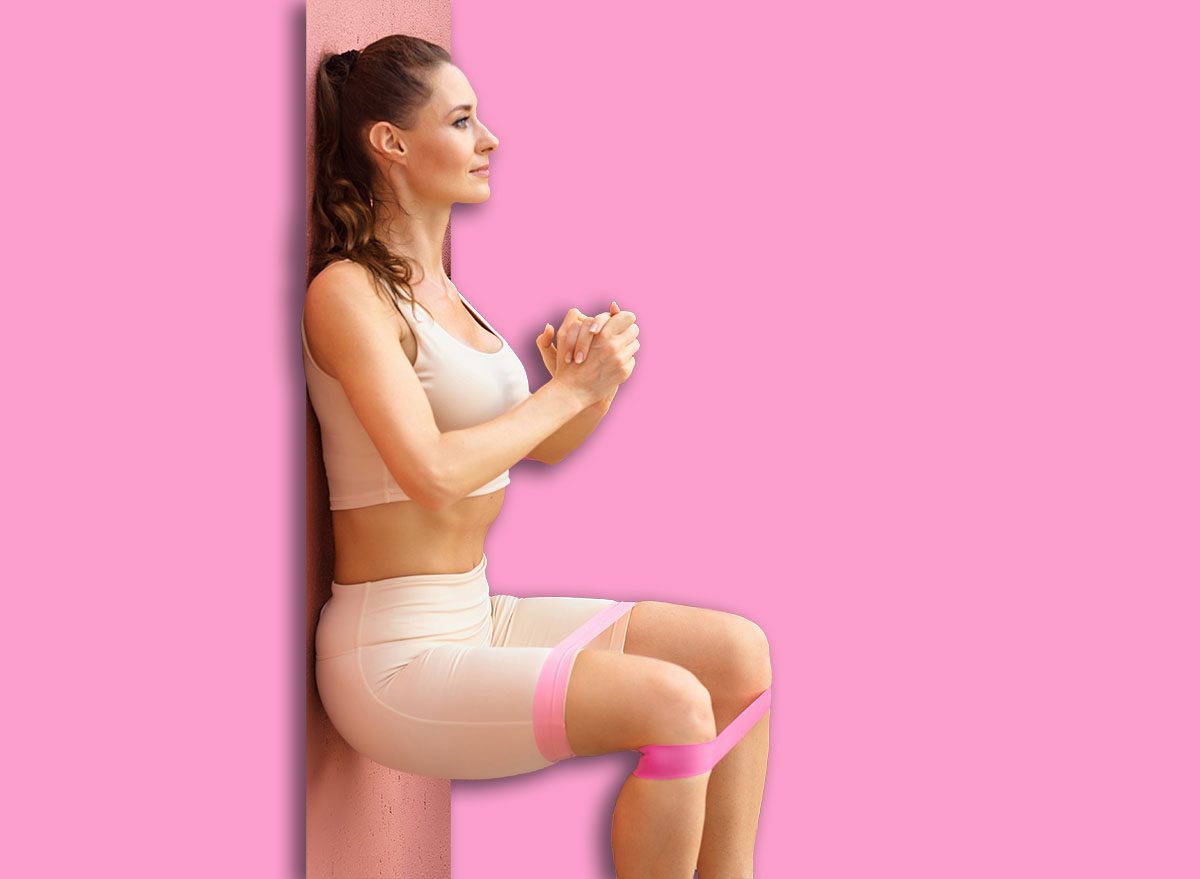
The key movement standard dictates that your back must remain in continuous contact with the wall, your feet must stay flat on the ground, and your knees should maintain their alignment directly above your ankles. While the ideal "full" wall sit involves thighs parallel to the floor, it is perfectly acceptable and advisable for beginners or those with joint sensitivities to start at a higher squat position, gradually increasing depth as strength and endurance improve. Variations like the high wall sit (less depth), standard wall sit, weighted wall sit (holding a plate or dumbbell), or banded wall sit (with a resistance band above the knees to engage hip abductors) offer avenues for progressive challenge.
When evaluating your performance, consistency in your setup is paramount. Any alteration in depth, foot placement, or the specific wall used will compromise the comparability of your scores. A precise hold at a consistent depth provides the most reliable metric for gauging your improvements.
Interpreting Your Wall Sit Hold Time (Post-50):
- Less than 30 seconds: This indicates a foundational level of leg strength endurance. It’s an excellent starting point from which significant gains can be made with consistent practice. Focus on perfecting your form and building a stable, repeatable position. Even short, regular holds will contribute to notable strength development.
- 30 to 60 seconds: Achieving this range signifies a solid base of lower body strength and good muscular control. Your legs are demonstrating the capacity to sustain tension effectively. This performance level positions you well to begin working towards more extended durations.
- 60 to 90 seconds: This is a commendable score for individuals over 50. It suggests that your leg muscles possess substantial endurance, allowing them to remain actively engaged even as the exercise becomes increasingly challenging. Maintaining steady form throughout this duration reflects impressive lower body resilience.
- 90 seconds or longer: Holding a clean wall sit for 90 seconds or more represents an exceptional benchmark. This level of performance indicates superior lower body strength, the ability to maintain optimal position under duress, and remarkable composure in the face of muscular fatigue. Such robust leg endurance is a distinct asset at any age, often surpassing the capabilities of many individuals decades younger. This level of functional strength is directly correlated with enhanced balance, a reduced risk of falls, and greater ease in performing physically demanding daily tasks, thereby contributing significantly to sustained independence and vitality.
For those aspiring to extend their wall sit duration and further enhance their lower body resilience after the age of fifty, the strategy isn’t about simply grinding through agonizing maximal holds in every training session. A more effective and sustainable approach involves consistent, intelligent practice, prioritizing impeccable form, and gradually increasing the challenge. Viewing the wall sit as both a skill and a strength exercise is beneficial; the more refined your setup and technique, the longer your leg muscles can typically sustain the hold.
Strategies for Building a Longer Wall Sit:
- Incremental Progression: Instead of attempting to double your hold time overnight, aim for small, consistent increases. If you currently hold for 40 seconds, try for 45 seconds next time. Gradual overload is key to adaptation without burnout or injury.
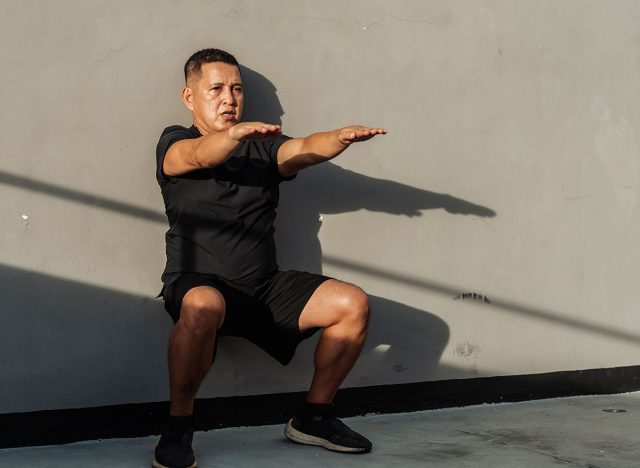
- Varying Depth: If the full 90-degree knee bend is too challenging initially, start with a "high wall sit" where your thighs are not parallel to the floor, reducing the leverage and making it easier. As your strength improves, gradually slide lower.
- Frequency and Volume: Incorporate wall sits into your routine multiple times a week rather than just once. You might do 2-3 sets of your current maximum hold time, or split it into shorter, more frequent holds throughout the day. For example, three sets of 45 seconds with a minute rest can be more effective than one all-out attempt.
- Mind-Muscle Connection: Actively focus on pressing your back into the wall, engaging your core, and feeling the contraction in your quadriceps and glutes. This mental engagement can help prolong your hold.
- Breathing Techniques: Maintain calm, steady breathing throughout the exercise. Holding your breath can increase blood pressure and lead to premature fatigue.
- Incorporate Dynamic Leg Exercises: While the wall sit is isometric, complementary dynamic exercises like squats (bodyweight or goblet), lunges, and step-ups will build overall leg strength and muscle mass, which will indirectly support your wall sit performance.
- Weighted or Banded Variations (Advanced): Once you can comfortably hold the standard wall sit for over 90 seconds, consider adding external resistance. Holding a dumbbell or weight plate against your chest, or placing a resistance band above your knees to encourage outward pressure, can further challenge your muscles.
Ultimately, achieving a 90-second wall sit post-fifty represents a significant benchmark of lower body resilience and functional prowess. It signifies a profound level of strength, endurance, and bodily control. While challenging, this objective is entirely attainable through diligent, smart practice. Embrace your current capabilities, focus on maintaining excellent form, and allow your body to demonstrate its enduring strength and vitality, proving that age is merely a number when it comes to physical capacity and determination. The wall sit is more than just an exercise; it’s a testament to the power of consistent effort in safeguarding lifelong mobility and independence.
About the Author










