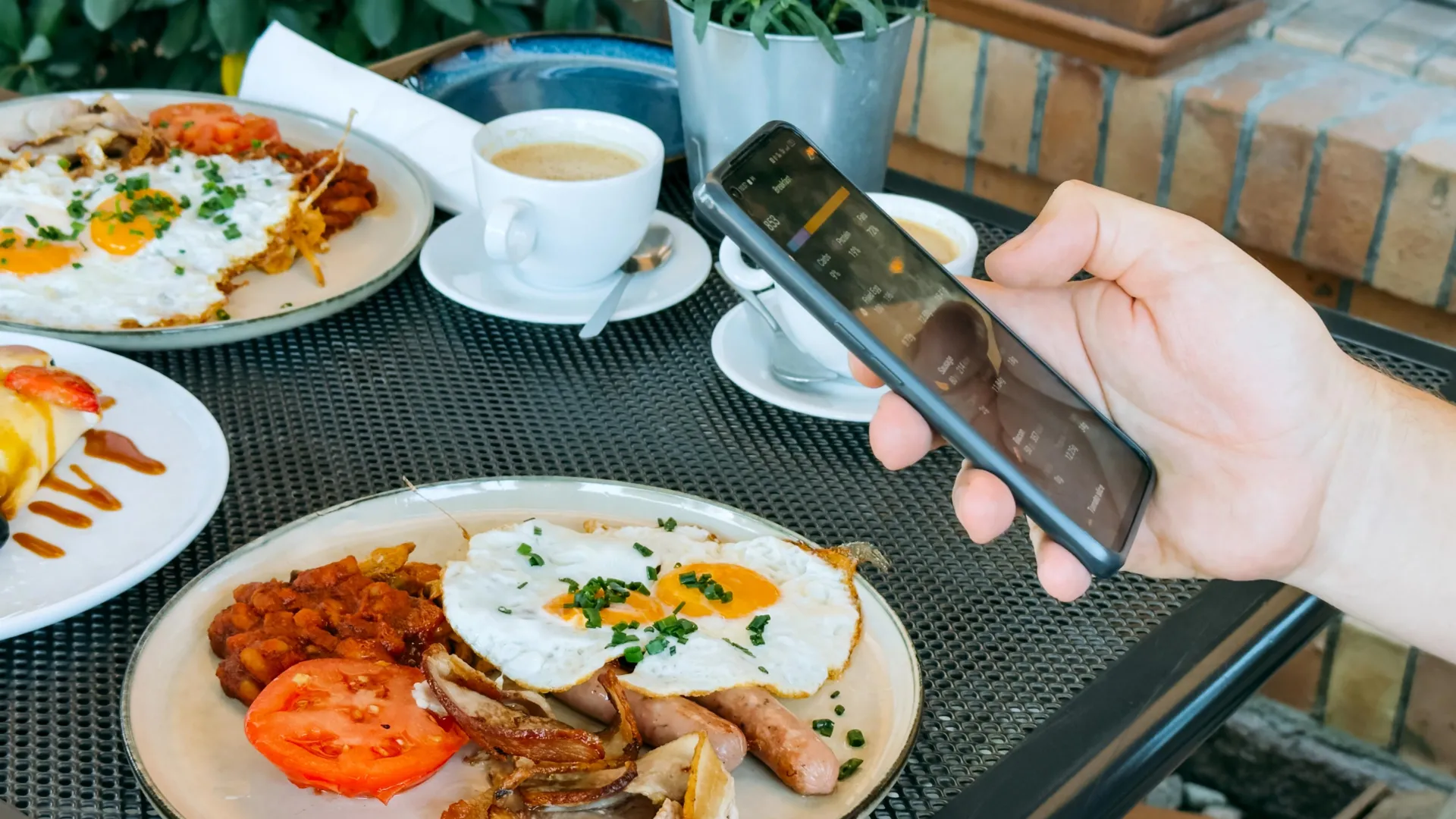
The allure of effortless health management has propelled artificial intelligence-driven applications that promise to quantify mealtime nutrition through mere photographic capture. These innovations offer a streamlined alternative to the laborious process of manually logging every ingredient and its precise quantity, a task often perceived as a formidable barrier to consistent dietary tracking. However, emerging scientific inquiry casts a significant shadow of doubt over the precision of these digital assistants, suggesting that their calculated caloric values frequently fall short of the actual energy content consumed.
A comprehensive evaluation of four prominent photo-based calorie-tracking applications has unveiled a consistent pattern of underestimation. Researchers observed that, on average, the estimated caloric and fat content derived from these apps was approximately one-third less than the meticulously measured nutritional composition of the meals. This discrepancy, particularly concerning for individuals diligently monitoring their intake for weight management or specific health objectives, highlights a critical flaw in the current technological approach to dietary assessment.
The fundamental mechanism underpinning these AI-powered applications involves sophisticated image recognition algorithms. Upon receiving a digital image of a meal, the AI endeavors to identify individual food items and subsequently estimate the volume or portion size of each component. This visual data is then cross-referenced with extensive databases containing nutritional information for a vast array of foods. The system synthesizes this information to generate an estimated breakdown of calories, macronutrients, and other dietary elements. The popularity of these tools, particularly among those striving for improved health outcomes or weight reduction, is undeniable, as articulated by Aaron Hengist, a postdoctoral visiting fellow associated with the Intramural Program of the National Institute of Diabetes and Digestive and Kidney Diseases (NIDDK), a division of the National Institutes of Health. He noted that while these apps offer significant convenience, their accuracy has not been subjected to rigorous, independent scrutiny. Hengist emphasized that the study aimed to address this critical gap by assessing the reliability of these applications in providing accurate caloric estimations.
Olivia Charles, a postbaccalaureate intramural research training fellow at NIDDK, presented the groundbreaking findings from this research initiative at NUTRITION 2026, the premier annual convocation of the American Society for Nutrition. This significant scientific gathering took place from July 25th to 28th in National Harbor, Maryland, a locale situated in close proximity to the nation’s capital.
To establish an unimpeachable benchmark for comparison, the research team utilized meals meticulously prepared within a highly controlled metabolic kitchen environment. This specialized facility is integral to a broader nutritional research endeavor underway at the NIH Clinical Center, which is dedicated to understanding the intricate ways the human body processes nutrients under distinct dietary regimens, specifically a low-carbohydrate (ketogenic) diet and a standard dietary plan. Within the metabolic kitchen, every ingredient is weighed with extraordinary precision, measured to the nearest tenth of a gram. This meticulous preparation process yielded a gold-standard reference point against which the performance of the AI applications could be objectively evaluated.
The researchers meticulously documented 102 standardized photographic representations of these precisely prepared meals. These images were then systematically submitted to four widely adopted photo-based calorie-tracking applications: MyFitnessPal, LoseIt!, CalAI, and Appediet. The objective was to ascertain the degree of congruence between the nutritional data reported by each application and the precisely known caloric and nutrient composition of the meals. Aaron Hengist underscored the unique value of this methodology, stating that the use of meals prepared under such stringent laboratory conditions provided an unparalleled opportunity for a direct, high-fidelity comparison between the apps’ estimations and a definitive nutritional baseline, a level of data integrity previously unavailable for such assessments.
The analysis revealed a consistent and concerning trend of underestimation across all four evaluated applications. The collective calorie totals estimated by the apps were, on average, deficient by a range of approximately 250 to 345 calories per meal. Beyond caloric figures, the applications also demonstrated a tendency to significantly underestimate fat content, with discrepancies averaging around 30 grams per meal. Interestingly, the study observed variations in accuracy based on meal complexity and caloric density. MyFitnessPal and LoseIt!, for instance, exhibited a greater degree of accuracy when analyzing meals with higher caloric loads compared to those with fewer calories. Furthermore, all four applications tended to produce more consistent estimates for carbohydrate content than for other macronutrients, such as proteins and fats.
Hengist offered a cautionary note to users of these photo-based tracking tools. He advised individuals who rely solely on these applications without making manual adjustments for portion sizes or inputting exact food quantities to approach the reported results with a degree of skepticism. The consistent underestimation of calories, particularly those derived from fats, suggests that the actual caloric intake is likely to be substantially higher than what the app indicates.
Further investigation delved into specific dietary patterns that might challenge the capabilities of these AI systems. In a subsequent phase of the research, the team analyzed over 200 additional meals to identify potential factors influencing the accuracy of the applications. Preliminary findings from this extended analysis suggest that meals adhering to a low-carbohydrate ketogenic diet pose a greater challenge for AI-driven assessment. These diets often feature a higher proportion of fats, an element that the evaluated applications consistently struggled to accurately quantify.
The researchers propose that a hybrid approach, integrating the convenience of photo-based digital tools with more traditional methods of dietary assessment and analysis, could significantly enhance the accuracy of everyday calorie tracking. Such a combined strategy might involve using AI for initial estimations and then employing manual verification or more precise measurement techniques for critical components or for individuals with specific dietary needs.
Olivia Charles formally presented these research findings during the President’s Oral Session on Saturday, July 25th, within the esteemed Gaylord National Resort & Convention Center. The detailed abstract of this presentation was made available for review. It is important to note that abstracts presented at conferences, while reviewed by expert committees, typically undergo a less rigorous peer-review process compared to articles published in peer-reviewed scientific journals. Therefore, the results presented should be considered preliminary and subject to further validation through formal publication in a scientific journal.
About the Author