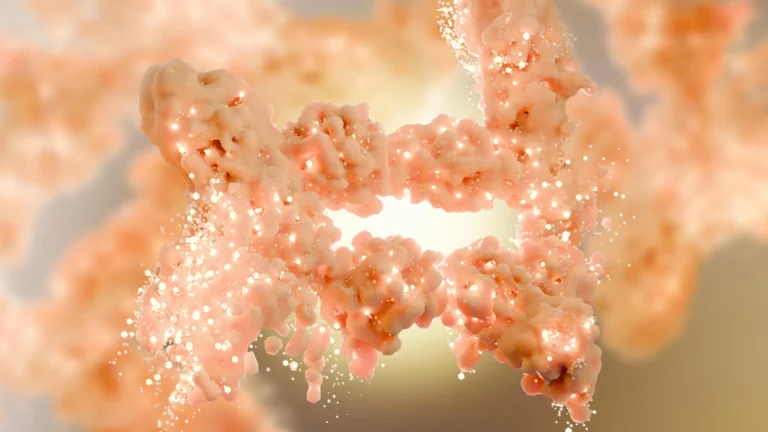
The intricate landscape of the human brain, a marvel of biological engineering, faces a formidable adversary in Alzheimer’s disease, a neurodegenerative condition characterized by the insidious accumulation of misfolded Tau protein. This aberrant protein, a cellular constituent normally vital for maintaining neuronal structure and function, undergoes a transformation in Alzheimer’s, aggregating into toxic tangles that disrupt the internal machinery of brain cells, ultimately leading to their demise. The relentless march of Alzheimer’s is intrinsically linked to the propagation of these tau pathologies; as damaged neurons release these harmful tau aggregates, they infect neighboring, healthy cells, initiating a cascading cycle of neuronal dysfunction and cognitive decline.
Recent groundbreaking investigations have illuminated a surprising accomplice in this destructive dissemination, revealing that a protein integral to normal neuronal communication, known as Arc (Activity-Regulated Cytoskeleton-Associated Protein), plays a pivotal role in the intercellular transfer of toxic Tau. This discovery, detailed in a seminal study published in the prestigious journal Cell, suggests a paradigm shift in our understanding of Alzheimer’s pathogenesis and opens novel therapeutic avenues. Instead of solely focusing on the elimination of Tau, future interventions might aim to disrupt its ability to traverse the synaptic divide and infect healthy neuronal populations.
"The identification of a novel mechanism by which Alzheimer’s disease progresses is an immensely exciting prospect," stated Dr. Jason Shepherd, a leading neurobiology professor at the University of Utah Health and the senior author of the research. "This new understanding could pave the way for strategies that effectively curb the relentless advance of this devastating condition."
The research team meticulously dissected the intricate mechanisms governing Tau’s spread by employing sophisticated mouse models engineered to mimic aspects of Alzheimer’s disease. These experimental models, some of which were genetically modified to lack the Arc protein, provided crucial insights into its involvement in Tau transmission. Their findings unequivocally demonstrated that Arc is not merely an innocent bystander but an active facilitator, indispensable for the movement of toxic Tau from compromised neurons to their healthy counterparts.
Under quiescent conditions, the Arc protein serves a critical function in the brain’s complex communication network. It is naturally packaged within minute, membrane-enclosed spheres called extracellular vesicles (EVs). These tiny biological couriers are essential for intercellular signaling, transporting vital molecular cargo between neurons. The researchers observed that aberrant Tau can hijack this sophisticated biological transport system. By co-opting Arc within these extracellular vesicles, toxic Tau gains passage from diseased neurons into healthy ones, where it can then initiate its destructive cascade.
Within every healthy neuron resides Tau, a protein critical for the structural integrity of microtubules, the cell’s internal scaffolding and transport highways. However, in the context of Alzheimer’s disease, Tau undergoes a conformational change, misfolding and clumping into larger, intractable masses known as neurofibrillary tangles. These tangles effectively act as cellular roadbloacks, impeding the normal flow of nutrients and essential molecules within the neuron, ultimately leading to cellular dysfunction and death.
Dr. Mitali Tyagi, a postdoctoral research associate at Washington University in St. Louis and the study’s first author, who conducted the research as a graduate student in Dr. Shepherd’s laboratory, aptly likens these tau tangles to "glue monsters." She explained that these aggregates effectively immobilize the cell’s internal transport system. However, these large tangles can fragment into smaller, infectious units, termed "Tau seeds." These seeds are then capable of being released from the affected neuron and subsequently internalized by neighboring healthy neurons. Upon entry, these Tau seeds possess the alarming ability to corrupt the normal Tau within the recipient cell, initiating the formation of new tangles and perpetuating the cycle of pathology.
In the Alzheimer’s mouse models, the researchers identified extracellular vesicles laden with both Arc and the "sticky," pathological form of Tau within brain tissue samples. Crucially, these vesicles demonstrated the capacity to infiltrate healthy neurons, thereby triggering the aberrant formation of new Tau tangles and propagating the disease process.
The scenario, however, was dramatically altered in the absence of the Arc protein. Mice lacking Arc exhibited extracellular vesicles containing significantly reduced levels of Tau. Consequently, the disease was substantially hampered in its ability to spread to adjacent neuronal populations. "When we eliminated Arc, we observed a profound and significant reduction in Tau transmission," Dr. Tyagi reported. "It was virtually eradicated."
While the prospect of inhibiting Arc’s role in Tau dissemination might appear as a straightforward therapeutic strategy, the research uncovered a more nuanced picture. The study revealed that Arc also performs a vital protective function, particularly during the nascent stages of the disease. By facilitating the expulsion of excess toxic Tau from neurons, Arc seems to grant these compromised cells a reprieve, extending their survival time. Conversely, in the absence of Arc, toxic Tau becomes trapped within the neurons, leading to a more rapid and accelerated demise of already ailing cells.
"In situations where Arc is absent, Tau becomes sequestered within neurons, accumulating to toxic concentrations," Dr. Tyagi elaborated. "When Arc is present, however, Tau can be released via extracellular vesicles. Although this mechanism helps to mitigate Tau buildup within the originating neuron, the released Tau can then be absorbed by neighboring healthy neurons, thereby promoting the propagation of the pathological process." These findings strongly suggest that an optimal therapeutic approach may not involve preventing diseased cells from releasing Tau altogether. Instead, a more effective strategy might involve impeding the uptake of these toxic extracellular vesicles by healthy neurons.
The researchers further extended their investigation by examining human brain tissue, where they also identified extracellular vesicles containing both Arc and Tau. This observation lends significant credence to the hypothesis that the same intercellular transmission mechanism observed in mice could be operative in humans. Nevertheless, the scientists emphatically caution that considerable further research is imperative before any potential therapeutic interventions can be translated into clinical applications for patients.
"The vast majority of our investigations have been conducted in animal models, not directly in humans," Dr. Shepherd emphasized. "While we have compelling indications that the processes observed in these mice might also occur in humans, this remains an unconfirmed hypothesis. We are still a considerable distance from developing any form of treatment. However, this research undoubtedly opens up promising new avenues for pursuing such therapeutic goals."
One particularly promising avenue for intervention involves intercepting Tau-laden extracellular vesicles after they have been released from diseased neurons but before they can infect healthy cells. While such an approach would not reverse pre-existing neuronal damage, it holds the potential to significantly slow or entirely halt the further propagation of Alzheimer’s pathology. "If we can effectively target these specific extracellular vesicles, it could represent a highly valuable therapeutic strategy," Dr. Shepherd articulated. "For individuals experiencing the early stages of Alzheimer’s or other forms of dementia, halting the spread of the disease could prevent further cognitive deterioration and functional decline."
The comprehensive findings of this pivotal study, officially titled "Arc mediates intercellular tau transmission via extracellular vesicles," have been formally documented and published in the esteemed scientific journal Cell. This groundbreaking research was generously supported by a consortium of esteemed funding bodies, including the National Institutes of Health, through awards such as the Director’s Office Transformative Research Award (R01 NS115716), the National Institute of Neurological Disorders and Stroke (DSPAN F99), and the National Institute on Aging (AG073236). Additional support was provided by the Chan-Zuckerberg Initiative Ben Barres Early Acceleration Award, the Alzheimer’s Association, the McKnight Brain Disorders Award, the Jon M. Huntsman Presidential Endowed Chair fund, the Max Planck Society, AIRC IG 26229, PRIN 2022EMZJL4, the Rainwater Foundation, the JPB Foundation, and the Cure Alzheimer Fund. The Massachusetts Alzheimer’s Disease Research Center, a recipient of support from the National Institute on Aging (P30AG062421), was instrumental in providing crucial human brain tissue samples for analysis. Dr. Shepherd also holds affiliations as a co-founder of VNV, LLC, and possesses stock and consultancy roles with Aera Therapeutics, Inc., a company that licenses intellectual property and patents related to Arc capsids.
About the Author