
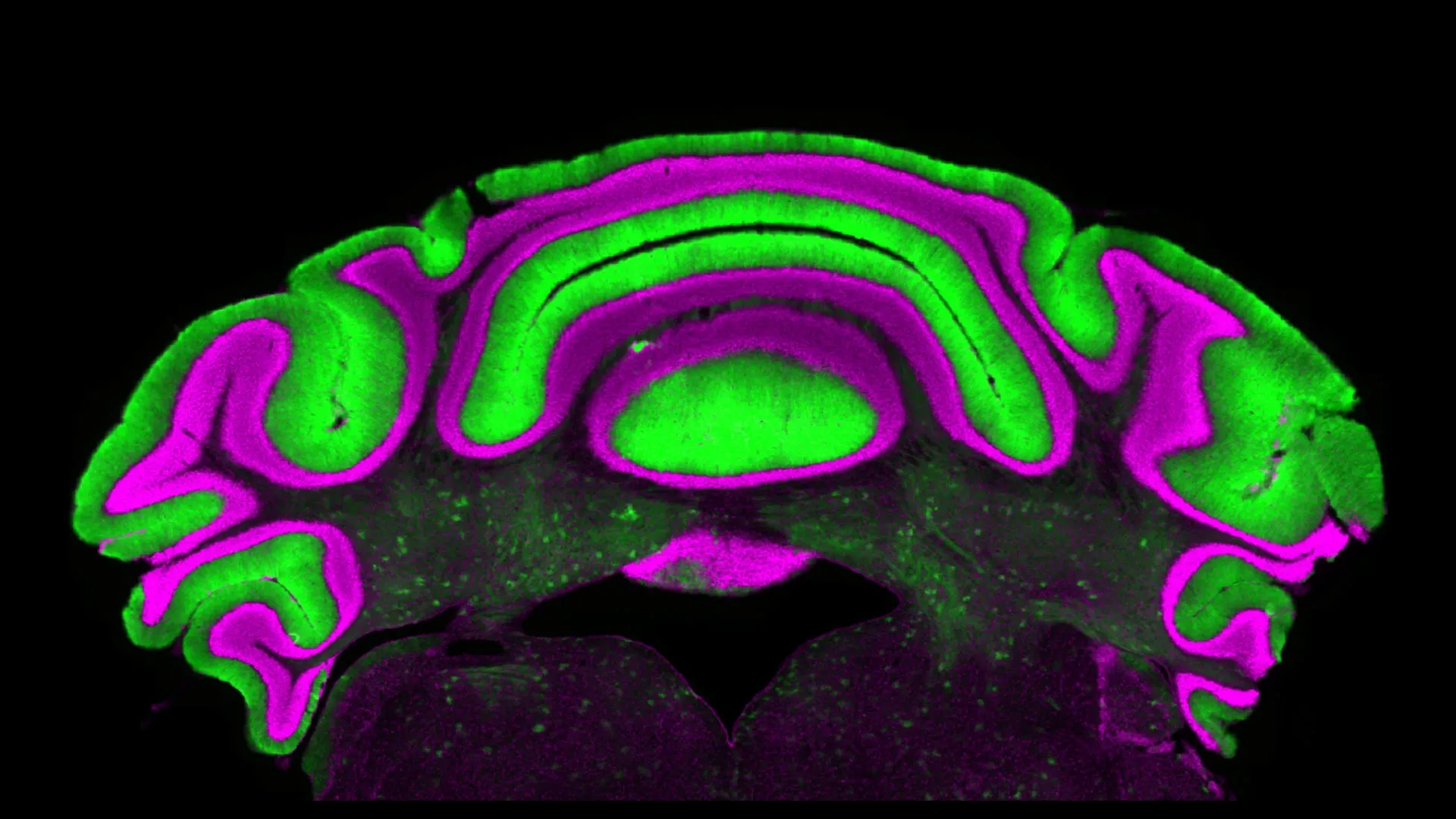
New findings emanating from the Fralin Biomedical Research Institute at VTC are prompting a significant re-evaluation of established scientific methodologies employed in the study of complex neurological conditions. Researchers are now questioning a long-held belief regarding the interconnectedness of specific neuronal populations within the cerebellum, a critical brain region responsible for motor control and coordination. This paradigm shift carries substantial implications for our understanding and potential treatment of disorders characterized by involuntary movements, such as dystonia, ataxia, and tremors.
For decades, the prevailing scientific narrative surrounding cerebellar function and dysfunction has centered on the intricate relationship between two principal types of neurons: Purkinje cells and deep cerebellar nuclei (DCN) cells. Purkinje cells, residing in the outermost layer of the cerebellum, are known for their inhibitory influence over DCN cells, which are situated deeper within the cerebellar structure. This inhibitory feedback loop has led to a widely accepted assumption within the neuroscience community: that the activity patterns observed in Purkinje cells serve as a reliable proxy for the functional state of the DCN cells. This assumption has, in turn, guided much of the research into the mechanisms underlying various movement disorders, often making Purkinje cells the primary focus of investigation due to their greater accessibility for electrophysiological recordings.
However, a groundbreaking study spearheaded by Meike van der Heijden, an assistant professor at the Fralin Biomedical Research Institute, has directly challenged this fundamental premise. Published in the esteemed Journal of Physiology, the research unequivocally demonstrates that the activity of Purkinje cells does not reliably predict the activity of DCN cells, even in the presence of their direct anatomical and functional link. This discovery suggests a far more complex and less predictable interplay between these neuronal populations than previously understood.
"We observed that there isn’t a clear linear relationship between the activity levels of Purkinje cells and those of the deep cerebellar nuclei cells," explained Van der Heijden. "Consequently, monitoring one type of cell offers very limited predictive power for understanding what is happening in the other." This revelation carries profound implications, particularly for the ongoing efforts to decipher the underlying causes and develop effective therapies for debilitating movement disorders.
The practical consequences of this discovery are far-reaching for both the scientific community and for individuals affected by these conditions. Alyssa Lyon, a doctoral candidate within Virginia Tech’s Translational Biology, Medicine, and Health Graduate Program and the lead author of the published paper, elaborated on the significance. "The activity of Purkinje cells and deep cerebellar nuclei cells is demonstrably disrupted in disease states. A more precise understanding of the relationship between these specific neuron types will ultimately be instrumental in optimizing therapeutic interventions for diseases like dystonia, ataxia, and tremor."
The historical focus on Purkinje cells can be partly attributed to their anatomical location. Their placement in the cerebellar cortex makes them significantly more accessible for direct electrophysiological measurement using various research techniques. In contrast, DCN cells are embedded deeper within the brain, presenting a greater technical challenge for researchers aiming to record their activity in real-time. This difference in accessibility has, for many years, led to the widespread use of Purkinje cell activity as a convenient and often assumed indicator of the functional status of the downstream DCN.
The research team meticulously analyzed a comprehensive database of electrophysiology recordings obtained from preclinical models that exhibited symptoms of cerebellar disease. Their objective was to rigorously test the long-standing hypothesis that increased Purkinje cell activity, known to exert an inhibitory effect, would correlate with decreased DCN cell activity, and vice versa. Under typical physiological conditions, this inhibitory relationship is well-established.
The results, however, were unexpected and stark. The comprehensive analysis revealed a striking absence of any significant or consistent correlation between the observed activity levels of Purkinje cells and DCN cells within the diseased models. This finding directly contradicts the prevailing assumption that monitoring one population would accurately reflect the state of the other.
"Our findings strongly suggest that to accurately assess cerebellar function, particularly within a disease context, researchers must directly investigate the activity of the deep cerebellar nuclei neurons, rather than relying solely on observations of Purkinje cells," stated Van der Heijden, who also holds an academic appointment within Virginia Tech’s School of Neuroscience. This recommendation underscores the necessity of shifting research focus and experimental methodologies.
Furthermore, Van der Heijden cautioned against the uncritical application of therapeutic strategies that target Purkinje cell activity with the expectation of a predictable and beneficial downstream effect on DCN cells. Such approaches, she warned, may be based on an incomplete understanding of the complex neuronal circuitry involved.
"This study serves as a crucial cautionary narrative for comprehending cerebellar activity in the context of disease, and equally, for developing treatments for these challenging neurological conditions," Van der Heijden emphasized. "It highlights the imperative need for scientific rigor, urging us to be exceptionally vigilant in avoiding assumptions and to prioritize robust experimental validation for all hypotheses. The path forward necessitates a more nuanced and evidence-based approach to unraveling the complexities of cerebellar circuitry and its role in movement disorders." This research opens new avenues for investigation, potentially leading to more targeted and effective interventions for patients suffering from these often-debilitating conditions.
About the Author












