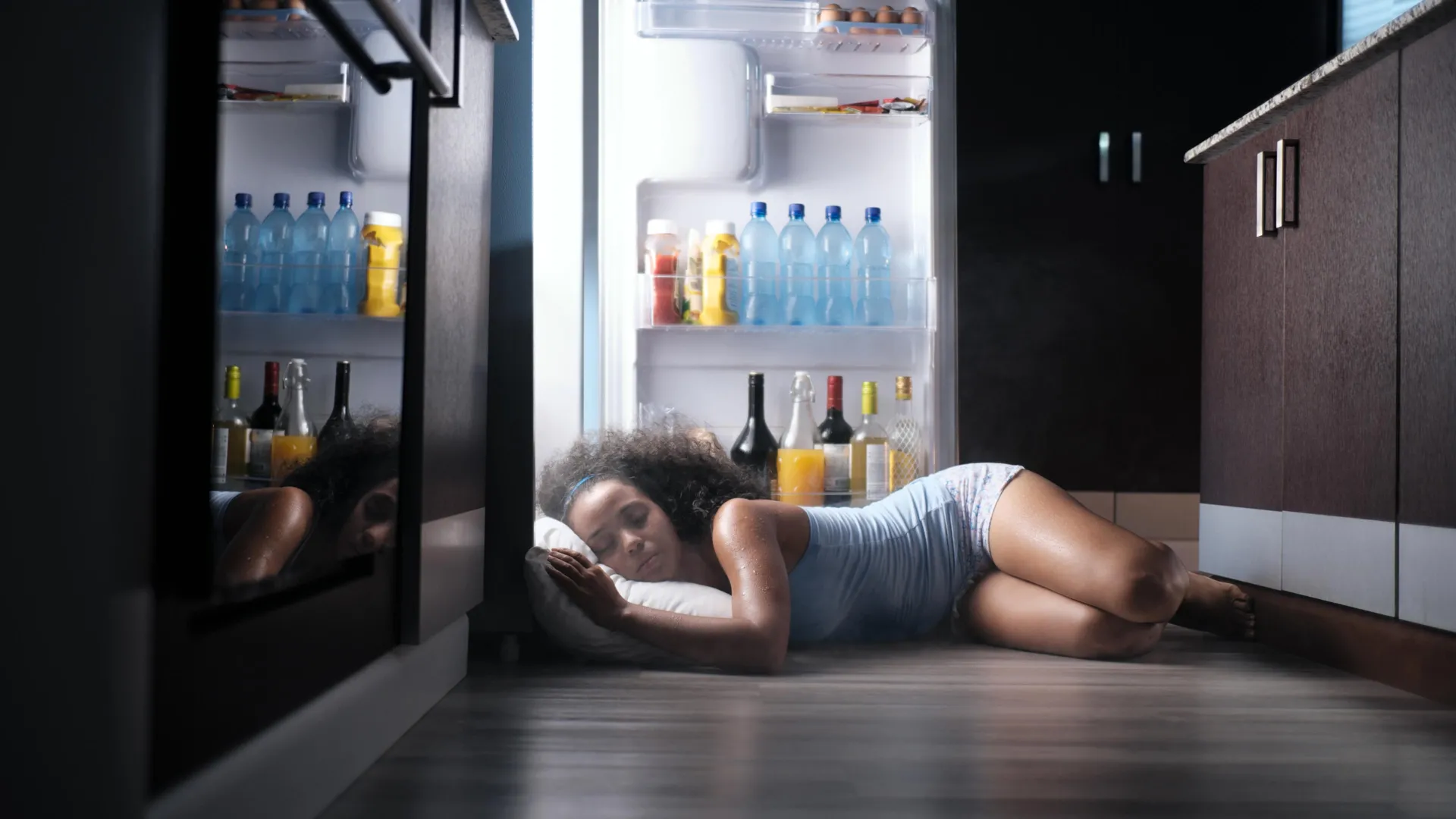
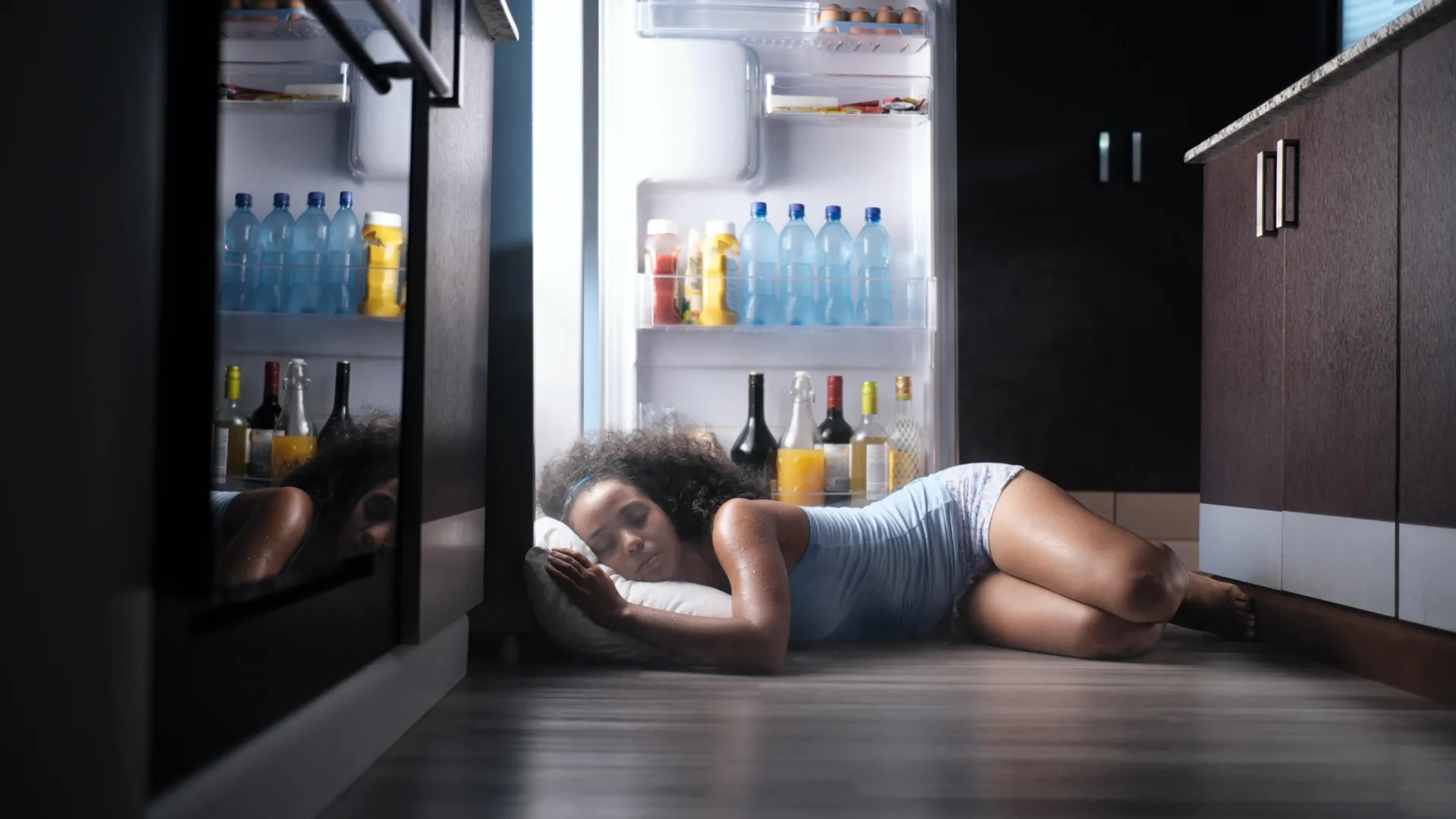
As global climatic patterns shift, prolonged periods of elevated ambient temperatures are becoming increasingly common, posing significant challenges to human comfort and well-being, particularly impacting restorative sleep. The human body is exquisitely tuned to maintain a precise internal thermal equilibrium, a process known as thermoregulation, which is crucial for optimal physiological function. For an individual to successfully initiate and sustain sleep, their core body temperature typically needs to drop slightly, a natural process facilitated by the body’s circadian rhythm. When external conditions, such as a heated bedroom, impede this essential heat dissipation, the consequences can range from difficulty in falling asleep to fragmented nocturnal rest and a pervasive sense of fatigue the following day.
The United Kingdom, for instance, has observed a pronounced warming trend in its summer months, with meteorological data from the Met Office indicating a dramatic increase in the likelihood of extreme heat events. The probability of temperatures exceeding 40 degrees Celsius in the UK is now more than twenty times higher than it was in the 1960s, with a substantial 50% chance of experiencing another such day within the next dozen years. This stark reality underscores the urgency for residents to adapt their living environments and personal habits to cope with hotter conditions, especially during the nighttime hours when the body is most vulnerable to thermal discomfort affecting sleep.
Beyond sheer heat, atmospheric humidity acts as a potent intensifier of thermal stress. Research exploring the interplay between humidity and heat demonstrates that elevated moisture levels in the air significantly amplify the physiological burden on the body. One of the primary mechanisms by which the body sheds excess heat is through the evaporation of sweat from the skin’s surface. This phase change from liquid to gas absorbs latent heat, effectively cooling the body. However, when the surrounding air is already saturated with moisture, the rate at which sweat can evaporate is severely curtailed, rendering this crucial cooling mechanism much less efficient. This results in a sensation of greater heat than the actual temperature might suggest, further complicating efforts to achieve comfortable sleep.
While mechanical air conditioning offers a direct solution for cooling indoor spaces, its widespread adoption faces considerable hurdles. For many households, the initial investment in units, coupled with the ongoing operational costs, makes it an unfeasible option. The Energy Saving Trust, for example, highlights that electricity unit rates can be substantial, making the running of even a small portable air-conditioning unit for several hours each night accumulate to a notable monthly expense. This financial barrier, combined with environmental concerns regarding energy consumption and refrigerant gases, necessitates the exploration of more sustainable and accessible cooling strategies.
Consequently, a paradigm shift towards passive cooling methodologies has gained traction. These strategies aim to mitigate indoor heat accumulation without relying on active mechanical systems. Studies focused on residential overheating consistently emphasize the critical role of passive measures like strategic shading and effective ventilation. The foundational principle here is to prevent heat from entering the home in the first place, rather than attempting to remove it once it has infiltrated. The primary sources of unwanted indoor heat are typically direct solar radiation penetrating through windows, a phenomenon known as solar gain, and the ingress of warm ambient air from outside.
Proactive measures, implemented well before the onset of evening, can significantly contribute to maintaining a cooler bedroom environment throughout the night.
Optimizing Your Home’s Thermal Envelope
-
Intercepting Solar Radiation During Daylight Hours: On days bathed in strong sunlight, it is imperative to keep window coverings, such as curtains or blinds, drawn on all facades exposed to direct sun. This practice effectively blocks solar energy from entering the room and warming interior surfaces like flooring, walls, and furnishings, which can then radiate heat long after sunset. For an even more robust defense against solar gain, external shading elements such as awnings, shutters, or purpose-built exterior screens are highly effective, intercepting sunlight before it even reaches the glass pane. This external barrier significantly reduces the amount of heat absorbed by the building structure.
-
Strategic Ventilation for Nighttime Cooling: Implementing cross-ventilation involves opening windows or doors on opposing sides of a dwelling to create a through-flow of air. This strategy is particularly effective when the outdoor air temperature is lower than the indoor temperature, typically during the early morning, evening, or overnight hours. By facilitating the movement of cooler external air through the living spaces, accumulated heat can be efficiently expelled. Research into passive cooling techniques for residential structures has affirmed the capacity of night-time ventilation to alleviate overheating, although its efficacy is contingent on factors such as building design, prevailing outdoor temperatures, and practical considerations like security, noise pollution, and air quality (e.g., pollen or urban pollutants). During the hottest parts of the day, if the exterior air is warmer than the interior, it is advisable to keep windows closed to prevent heat ingress.
-
Managing Heat Sources Within the Building Structure: Areas such as conservatories, characterized by extensive glazing, are highly susceptible to becoming superheated due to the greenhouse effect. During the day, it is crucial to ensure these spaces are adequately ventilated, and where possible, internal doors separating the conservatory from the main living areas should remain closed to prevent the spread of heat. Retrofitting solutions like reflective films, internal or external blinds, shutters, awnings, and shaded roof panels can substantially reduce heat gain. Similarly, upper-floor rooms and loft spaces are prone to becoming excessively warm because roofs absorb and conduct solar heat. While more substantial interventions, such as improved loft ventilation or the application of reflective roof materials, can be beneficial, innovative solutions like integrating solar photovoltaic panels on the roof offer a dual advantage: electricity generation coupled with a significant reduction in heat transfer into the building by acting as an insulating barrier.
-
Selecting the Coolest Sleeping Location: Given that heat naturally rises, and walls or roofs exposed to direct sunlight can continue to radiate stored thermal energy long after dusk, bedrooms situated on upper floors or those with south or west-facing aspects often represent the warmest zones in a home. During periods of intense heat, relocating sleep to a lower floor, such as a ground-level room, or a space with a north-facing orientation, can offer a more conducive environment for restful sleep. This leverages the principle of thermal stratification and the less intense solar exposure of north-facing facades.
Mitigating Internal Heat and Humidity
- Minimizing Heat-Generating Appliance Use: Common household appliances, including ovens, hobs, tumble dryers, washing machines, and dishwashers, are significant contributors to indoor heat. Furthermore, activities like cooking and air-drying laundry indoors can substantially elevate internal humidity levels, which, as previously discussed, impedes the body’s natural cooling mechanisms. During exceptionally warm days, it is prudent to defer the use of these heat-producing appliances to cooler times of the day, such as early morning or late evening. The diligent use of extractor fans in kitchens and bathrooms is also vital, as these systems are designed to expel warm, moisture-laden air directly to the outside before it can permeate and warm other areas of the residence. Studies on moisture dynamics within homes confirm the effectiveness of these fans in containing humidity and heat generated in specific zones.
Personal Comfort and Aid Strategies
-
Choosing Appropriate Sleep Attire and Bedding: The selection of sleepwear and bedding materials plays a critical role in regulating thermal comfort during sleep. An examination of various fiber types used in sleep textiles indicates that light, loose-fitting sleepwear and bedding crafted from breathable materials facilitate the body’s ability to shed heat. Natural fibers like cotton and linen are frequently recommended due to their excellent moisture-absorbing properties and ability to allow for effective air circulation. However, factors such as fabric weave, thickness, and overall moisture management capabilities are also significant. Conversely, heavy bedding, thick duvets, and tight-fitting synthetic fabrics should be avoided as they tend to trap both heat and moisture, creating an uncomfortable microclimate around the sleeper.
-
Judicious Use of Electric Fans: While electric fans do not actively cool the ambient air, they work by circulating air across the skin, which enhances the evaporation of sweat and thereby creates a perception of coolness through convective heat loss. Evidence concerning the application of electric fans in hot conditions suggests their utility, but their safety and efficacy are highly dependent on the prevailing temperature, humidity levels, the individual’s age, hydration status, and general health. In situations of extremely high temperatures, particularly for vulnerable populations such as older adults, or individuals who are dehydrated or unwell, fans alone may not provide sufficient cooling. If using a fan, maintaining adequate hydration is paramount. It is also advisable to avoid directing the fan continuously at the face during sleep and to discontinue use if it induces feelings of increased heat, dizziness, or general unwellness. For optimal effect, position a fan near an open window or door to draw in cooler night air, rather than simply recirculating warm indoor air.
-
Leveraging Low-Cost, Safe Cooling Aids: Several accessible and inexpensive cooling aids can enhance personal comfort. Reusable ice packs, freezer blocks, or purpose-designed cooling pillows can provide localized relief. When employing ice packs, it is crucial to wrap them in a cloth or place them on a tray to prevent condensation from saturating bedding and to avoid direct, prolonged contact with the skin, which can lead to localized cold injury. Furthermore, specialized cooling mattress toppers and bedding that incorporate water circulation systems or advanced phase change materials (PCMs) can offer sustained cooling. PCMs function by absorbing, storing, and subsequently releasing latent heat as they undergo changes in their physical state, though their cost and overall effectiveness can vary.
Ultimately, achieving restful sleep in increasingly warm conditions necessitates a comprehensive and proactive strategy that begins long before one prepares for bed. The most effective approach typically involves a synergistic combination of measures: diligently blocking solar ingress during the day, strategically ventilating living spaces when outdoor air is cooler, minimizing internal heat generation from appliances, opting to sleep in the coolest available room, and selecting bedding and sleepwear that facilitate the body’s natural heat dissipation. As the planet continues to warm, understanding and implementing these adaptive strategies will become ever more vital for maintaining public health and ensuring adequate nocturnal recovery.
About the Author