The global pursuit of universal access to modern energy faces a formidable challenge, as more than 650 million individuals worldwide continue to live without electricity, and a staggering two billion rely on polluting fuels for their daily cooking needs. This pervasive energy deficit disproportionately impacts Sub-Saharan Africa, where over 560 million people lack access to electricity and approximately 970 million contend with hazardous cooking methods. These figures underscore a critical impediment to human development, economic prosperity, and environmental sustainability, casting a shadow over the international community’s ambitious target for 2030.
At the heart of this global endeavor lies Sustainable Development Goal 7 (SDG 7), a cornerstone of the United Nations’ 2030 Agenda for Sustainable Development. SDG 7 articulates a vision for ensuring universal access to affordable, reliable, sustainable, and modern energy for all. However, recent data from the latest "Tracking SDG 7: The Energy Progress Report," encompassing updated information for 2023 and 2024, reveals a disconcerting slowdown in progress, particularly across Sub-Saharan Africa. While numerous regions are steadily approaching comprehensive energy access, the pace of electrification in this crucial continent must triple from its current rate to achieve the universal access objective within the next six years. This stark reality serves as a potent reminder that despite commendable strides in certain sustainable energy sectors, the overarching goal remains precariously out of reach without urgent and intensified interventions.
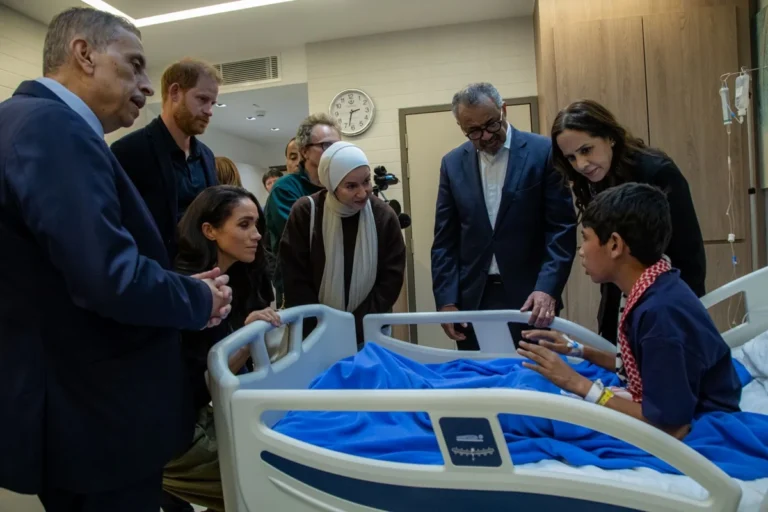
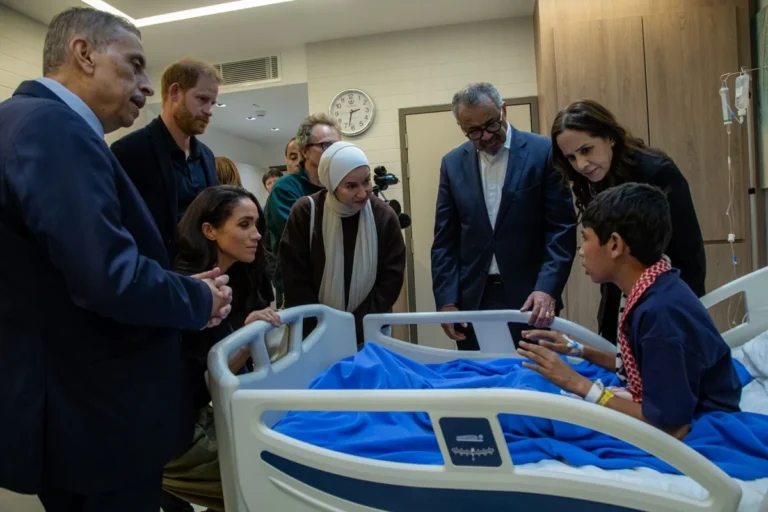
The human toll of energy poverty is profound and multifaceted. For the two billion people who still depend on biomass, charcoal, kerosene, and other polluting substances for cooking, the health implications are severe. Indoor air pollution, a direct consequence of burning these fuels, is linked to millions of premature deaths annually, primarily affecting women and children. Respiratory illnesses, heart disease, and various cancers are common afflictions. Beyond health, the practice perpetuates a cycle of poverty and inequality. Women and girls often bear the brunt of collecting fuel, dedicating countless hours that could otherwise be spent on education, economic activities, or leisure. This burden exacerbates gender disparities, restricts educational attainment, and limits opportunities for economic empowerment. The Director-General of the World Health Organization, Dr. Tedros Adhanom Ghebreyesus, has unequivocally stated that universal access to clean and sustainable energy transcends a mere energy issue; it is a fundamental public health imperative, essential for promoting health, gender equality, mitigating climate change, and reducing household and governmental costs.
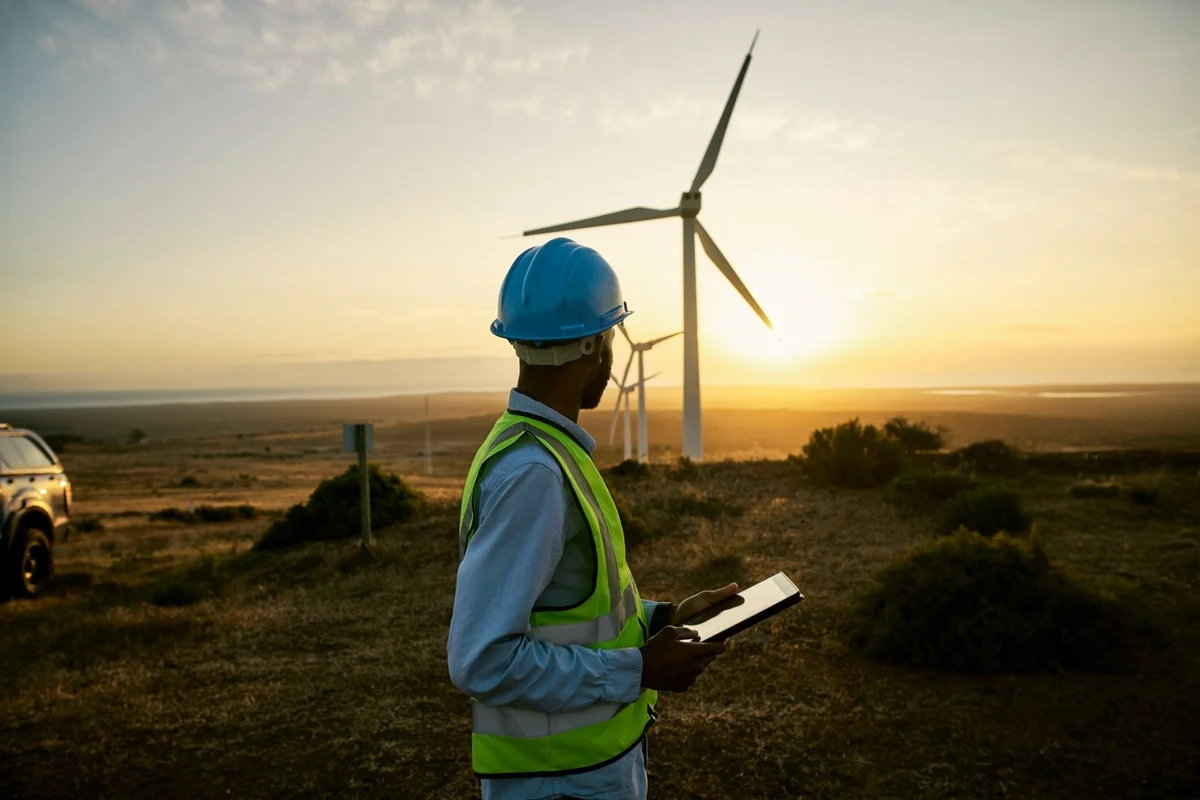
Despite these significant hurdles, the global energy landscape is not devoid of encouraging developments. The report highlights the robust expansion of renewable energy sources, which now contribute over 30 percent of the world’s electricity consumption. Furthermore, the global capacity for generating renewable energy has reached an unprecedented 544 watts per person—a capacity roughly equivalent to powering a standard refrigerator for every individual on the planet. These figures demonstrate a powerful shift towards cleaner energy production on a global scale. International public financial support for clean energy initiatives in developing nations has also seen a modest increase, reaching approximately US$24.6 billion. Concurrently, improvements in global energy efficiency have continued, reaching 3.76 megajoules per US dollar of economic output. While these advancements are noteworthy, the report soberly cautions that the current pace of efficiency gains is still insufficient to fully align with the ambitious targets of SDG 7.
The disparity between global progress and localized stagnation underscores a critical challenge: the benefits of the clean energy transition are not being equitably distributed. The International Renewable Energy Agency’s Director-General, Francesco La Camera, emphasized that recent global energy shocks have undeniably demonstrated the resilience of nations with robust renewable energy infrastructures. He advocates for the accelerated deployment of cost-competitive domestic renewables as a central strategy to enhance both energy security and economic stability while pursuing SDG 7. However, the stark reality remains that least developed countries, particularly those in Sub-Saharan Africa, face the most formidable barriers to accessing these crucial technologies and the necessary financial support.
A significant obstacle to extending electricity access is its sheer cost. Even in regions where the foundational infrastructure exists, a substantial number of households cannot afford the initial connection fees, the internal wiring expenses, or the ongoing costs of basic energy services. This affordability gap creates a paradox: infrastructure may be present, but access remains elusive due to economic constraints. Addressing this requires targeted subsidies, innovative financial models, and the implementation of least-cost electrification strategies to ensure that no community or individual is left behind.
Compounding the affordability challenge is a persistent lack of adequate financing. The report indicates that funding levels are either insufficient to meet the ambitious SDG 7 objectives or, more alarmingly, are declining in the world’s poorest countries. International financial flows specifically directed towards clean energy in the least developed countries experienced a significant downturn, registering a decrease of 11 percent from 2023 to reach $3.7 billion in 2024. This reduction in crucial support severely hampers the ability of these nations to invest in the necessary infrastructure and technologies. Valerie Levkov, Vice President for Infrastructure at the World Bank Group, highlighted that while proven technologies, effective financing models, and strong partnerships exist, constrained public budgets necessitate the mobilization of significantly greater private sector investment to deliver reliable, affordable energy to those who need it most.
The unfolding global energy crisis, triggered by geopolitical events and supply chain disruptions, further complicates the achievement of SDG 7. While this crisis has undeniably impacted energy markets and the broader economy, it also presents a compelling opportunity. Accelerating the deployment of domestic renewable energy sources is increasingly recognized as indispensable not only for bolstering energy security and affordability but also for advancing long-term climate objectives and development goals. This perspective is echoed by Fatih Birol, Executive Director of the International Energy Agency, who stresses that access to modern energy fundamentally begins with clean cooking and electricity. He notes that the substantial progress made since 2010—1.5 billion people gaining access to clean cooking and 800 million to electricity—demonstrates that well-crafted policies can drive significant advancement.
In this context, distributed renewable energy solutions, such as off-grid solar systems and mini-grids, have emerged as particularly cost-effective pathways to electricity access, already serving hundreds of millions globally. These decentralized systems bypass the need for extensive national grids, offering rapid deployment and scalability in remote and underserved areas. Similarly, innovations in clean cooking technologies, including electric cooking, bioethanol, and biogas, are gaining considerable traction as viable and scalable alternatives, diversifying the options available for clean energy access in homes.
Achieving the ambitious targets of SDG 7 by 2030 demands a concerted, multi-pronged approach. Stronger political leadership, enhanced cross-sectoral coordination, and a strategic emphasis on the most vulnerable countries and communities are paramount. Clear and consistent policy signals, coupled with sustained implementation, are fundamental to diversifying national energy mixes, increasing the penetration of renewable energy, reducing reliance on volatile fossil fuel imports, and fortifying macroeconomic resilience against global supply chain volatilities. Li Junhua, Under-Secretary-General for Economic and Social Affairs at the United Nations Department of Economic and Social Affairs (UN DESA), underscored that while encouraging progress has been made, the current pace falls short of the SDG 7 ambition, and significant disparities persist. He views the global energy crisis as an opportunity to accelerate the clean energy transition, stressing that substantial scaling-up of international support and investment is required. Complacency is not an option; the time for urgent and ambitious action is now.
This comprehensive "Tracking SDG 7" report, a collaborative effort by the International Energy Agency (IEA), the International Renewable Energy Agency (IRENA), the Statistics Division of the United Nations Department of Economic and Social Affairs (UN DESA), the World Bank, and the World Health Organization (WHO), serves as a crucial global barometer for monitoring progress across energy access, efficiency, renewable energy deployment, and international cooperation towards SDG 7. Chaired by UN DESA and funded by the World Bank’s Energy Sector Management Assistance Program (ESMAP), the report will be formally presented to global decision-makers at a special launch event on July 8, 2026, coinciding with the in-depth review of SDG 7 at the High-Level Political Forum on Sustainable Development in New York, the United Nations’ primary platform for overseeing progress on the Sustainable Development Goals. The findings are a stark call to action, demanding a renewed commitment to ensure that the promise of modern, sustainable energy becomes a reality for every person on Earth.
About the Author