
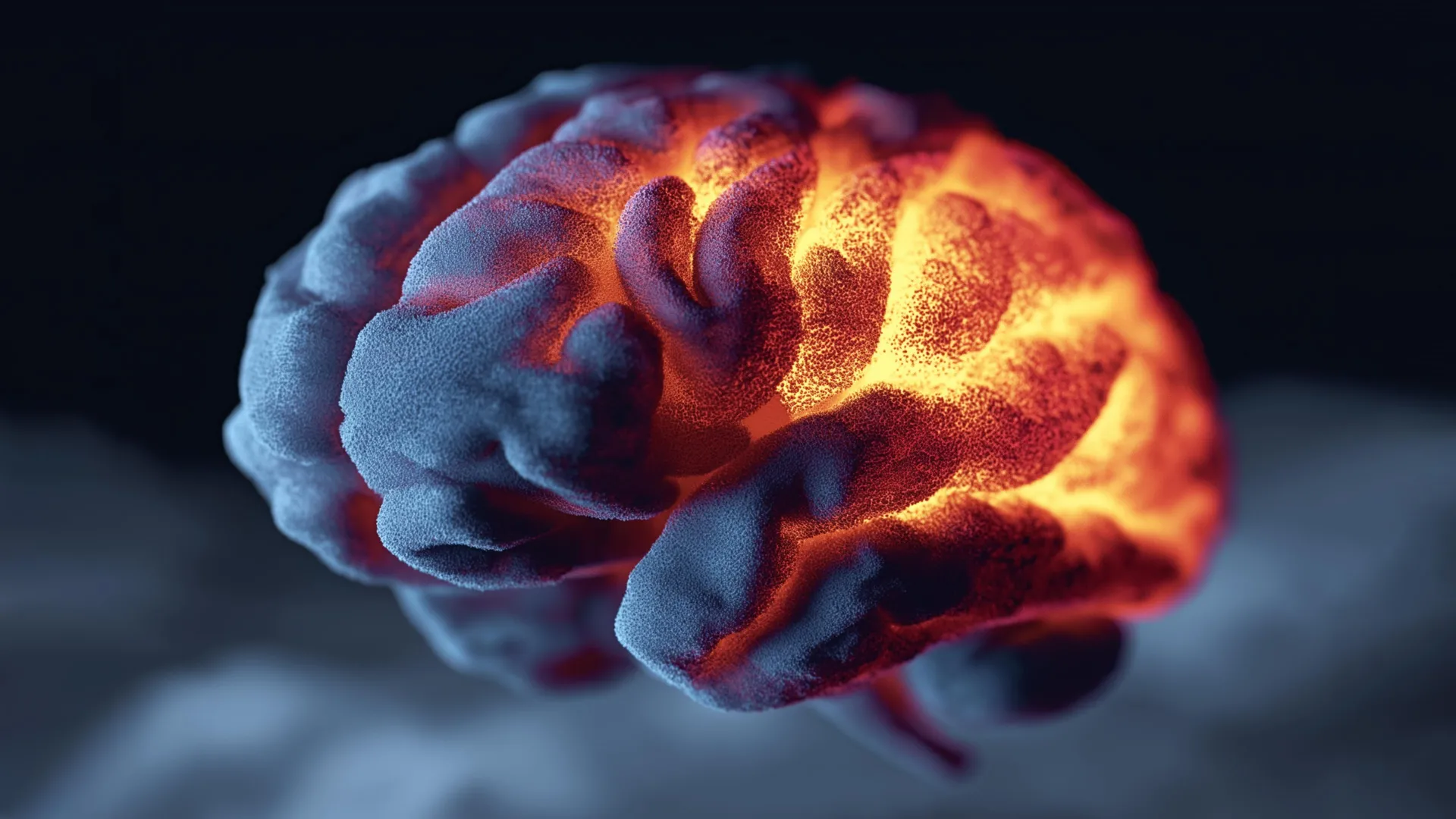
A significant breakthrough in understanding the physiological underpinnings of elevated blood pressure has emerged from the scientific community, pinpointing a specific neural locus within the brainstem as a critical regulator of this prevalent cardiovascular condition. This newly identified brain region, designated as the lateral parafacial nucleus, occupies a strategic position within the brainstem, an ancient and evolutionarily conserved area of the central nervous system responsible for orchestrating fundamental autonomic processes essential for life, including respiration, gastrointestinal function, and cardiac rhythmicity. The research, spearheaded by Professor Julian Paton and his team at the Manaaki Manawa Centre for Heart Research at the University of Auckland, suggests a direct link between the activity of this nucleus and the pathological elevation of arterial pressure.
The lateral parafacial nucleus, as elucidated by the study, plays a distinct role in the mechanics of forced exhalation. This controlled expulsion of air, characterized by the vigorous contraction of abdominal muscles, is typically associated with physiological responses such as laughter, strenuous physical exertion, or coughing. In contrast, normal, passive exhalation relies on the inherent elastic recoil of the lungs, requiring minimal muscular effort. The researchers’ findings underscore a surprising convergence of these seemingly disparate functions: the same neural circuitry that governs forceful exhalations appears to be intricately connected to the sympathetic nervous system pathways responsible for vasoconstriction, the narrowing of blood vessels that directly contributes to increased blood pressure.
Professor Paton articulated the profound implications of these discoveries, stating, "We have identified a novel brain region that directly contributes to the development of high blood pressure. This research unequivocally points to the brain as a significant factor in the etiology of hypertension." The experimental evidence supporting this assertion is compelling: in instances of elevated blood pressure, the lateral parafacial nucleus exhibited heightened activity. Crucially, when the researchers experimentally suppressed the activity of this specific brain region, arterial pressure levels were observed to return to normative ranges. This observation strongly suggests that aberrant activation of the lateral parafacial nucleus is not merely correlated with hypertension but actively drives it.
The implications of this research extend to a deeper understanding of how certain respiratory patterns might predispose individuals to hypertension. Specifically, breathing techniques that heavily engage the abdominal musculature, often referred to as abdominal breathing or diaphragmatic breathing, may inadvertently contribute to the sustained activation of the lateral parafacial nucleus, thereby elevating blood pressure over time. For clinicians, this insight opens avenues for more precise diagnostic approaches, potentially enabling the identification of individuals whose hypertension may be exacerbated by specific breathing habits. Such targeted identification could pave the way for more personalized and effective therapeutic interventions. The seminal findings of this investigation were recently published in the esteemed scientific journal, Circulation Research.
Beyond elucidating the fundamental mechanisms, the research team has actively explored the therapeutic potential of targeting this newly discovered neural hub. The central question guiding their subsequent investigations was whether the lateral parafacial nucleus could be modulated pharmacologically to achieve a therapeutic reduction in blood pressure. Professor Paton acknowledged the inherent challenges associated with directly administering drugs to the brain, explaining, "Administering medications to the brain presents a significant hurdle, as systemic drugs tend to affect the entire brain rather than a precisely localized area like the parafacial nucleus." This inherent difficulty necessitates the exploration of indirect therapeutic strategies.
A pivotal advancement in their research came with the discovery that the lateral parafacial nucleus is not autonomously activated but rather receives signals originating from peripheral sensory organs. These crucial signals are relayed by the carotid bodies, small, highly vascularized clusters of chemoreceptor cells strategically situated in the neck, adjacent to the carotid arteries. The primary function of the carotid bodies is to monitor critical blood gas levels, specifically oxygen and carbon dioxide concentrations, as well as pH. This peripheral origin of the activating signals for the lateral parafacial nucleus presented a significant therapeutic opportunity.
The carotid bodies, unlike deep brain structures, are amenable to pharmacological intervention with a greater degree of safety and precision. This accessibility makes them an attractive target for developing novel treatments for hypertension. Professor Paton outlined their ambitious objective: "Our aim is to target the carotid bodies. We are currently in the process of introducing a novel drug that we are repurposing. This medication is designed to dampen the activity of the carotid bodies, thereby ‘remotely’ and safely inactivating the lateral parafacial region without the need for drugs that cross the blood-brain barrier." This innovative approach promises a more targeted and potentially safer method for managing hypertension by influencing the upstream signaling pathway that activates the detrimental neural circuit.
This groundbreaking discovery holds particular promise for individuals suffering from conditions characterized by heightened carotid body activity, such as obstructive sleep apnea. In sleep apnea, recurrent episodes of breathing cessation during sleep lead to intermittent hypoxia, which in turn stimulates the carotid bodies. This heightened stimulation can then propagate to the lateral parafacial nucleus, contributing to the elevated blood pressure often observed in these patients. By targeting the carotid bodies, this new therapeutic strategy could offer a significant benefit to a vulnerable patient population, potentially mitigating the cardiovascular risks associated with sleep-disordered breathing. The research not only deepens our fundamental understanding of cardiovascular regulation but also offers a tangible pathway toward developing innovative treatments for a widespread and serious health concern.
About the Author












