
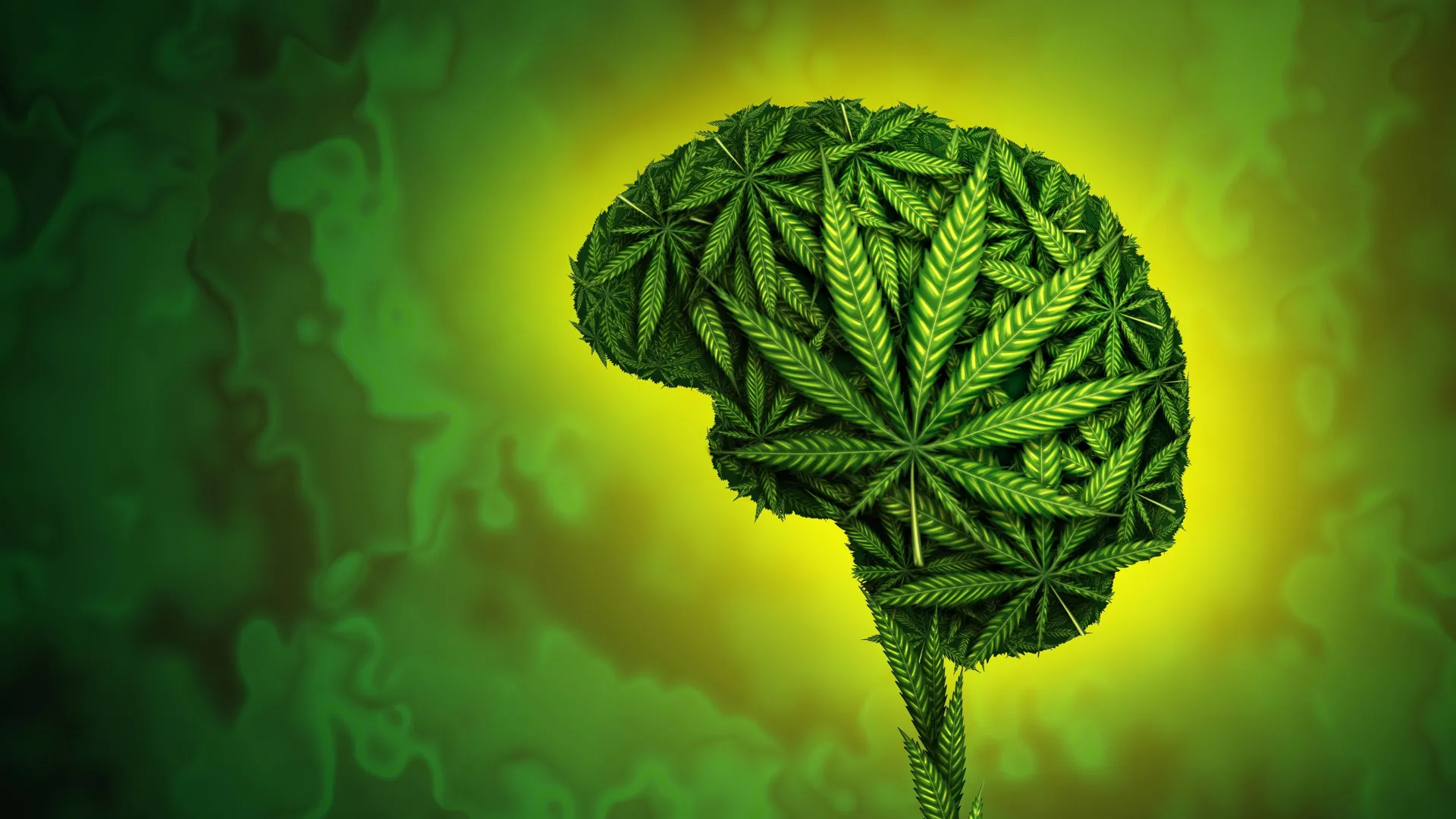
A comprehensive meta-analysis, representing the most extensive examination to date of cannabinoid efficacy and safety across a broad spectrum of psychological conditions, has concluded that medicinal cannabis demonstrates no significant therapeutic benefit for anxiety, depression, or post-traumatic stress disorder (PTSD). This landmark research, published in the esteemed medical journal The Lancet, casts a significant shadow over the burgeoning trend of self-medication with cannabis for mental well-being. The findings arrive at a critical juncture, as a substantial portion of the population, particularly in Western nations, increasingly turns to cannabis for perceived relief from psychological distress. In the United States and Canada, for instance, reports indicate that approximately 27% of adults aged 16 to 65 have utilized cannabis for medicinal purposes, with nearly half of these individuals citing mental health symptom management as their primary motivation.
The implications of this extensive study are profound, prompting serious reconsideration of current therapeutic protocols and regulatory frameworks surrounding medicinal cannabis. Dr. Jack Wilson, the principal investigator from the University of Sydney’s Matilda Centre, articulated the gravity of these findings, suggesting that the widespread adoption of medicinal cannabis for conditions such as anxiety, depression, and PTSD may be counterproductive. Dr. Wilson posited that instead of offering solace, the routine use of these plant-derived compounds could potentially exacerbate mental health outcomes. This includes an increased susceptibility to psychotic symptoms, a higher risk of developing cannabis use disorder, and, crucially, a diversion from more evidence-based and demonstrably effective treatments. The research underscores a concerning possibility: that in the absence of robust scientific validation, the perceived benefits might be outweighed by unforeseen detriments, potentially delaying access to proven interventions and ultimately worsening the patient’s overall prognosis.
While the study unequivocally dismisses the efficacy of medicinal cannabis for the aforementioned mental health conditions, it does acknowledge nascent indications of potential benefit in a more limited set of circumstances. These include applications for cannabis use disorder itself, commonly referred to as cannabis dependence, as well as for conditions such as autism spectrum disorder, insomnia, and involuntary muscle spasms known as tics, including Tourette’s syndrome. However, Dr. Wilson was quick to temper any enthusiasm regarding these specific uses, emphasizing that the supporting scientific evidence remains decidedly weak. He elaborated that for conditions like autism and insomnia, the overall quality of the data gathered is of a low standard. Consequently, he asserted that in the absence of substantial medical or specialized counseling support, the justification for employing medicinal cannabis in these scenarios is frequently tenuous.
The research team did, however, highlight areas where medicinal cannabis has a more established, albeit still specific, therapeutic profile. These include its recognized role in reducing seizure frequency in certain forms of epilepsy, alleviating spasticity in individuals diagnosed with multiple sclerosis, and managing particular types of chronic pain. Yet, the study’s central thesis remains unwavering: the evidence base for the application of medicinal cannabis in the realm of mental health disorders simply does not meet the threshold for efficacy. Regarding autism, while the analysis did suggest a potential for symptom reduction, Dr. Wilson cautioned that the highly individualized nature of autistic experiences necessitates a highly circumspect interpretation of this finding. The lack of a universal response underscores the need for personalized treatment approaches and a cautious embrace of any purported universal remedy.
Delving into the complex landscape of substance use disorders, the review also investigated the impact of medicinal cannabis on individuals grappling with various addictions. The outcomes, in this domain, presented a more nuanced and sometimes contradictory picture, varying significantly depending on the specific substance being addressed. Notably, cannabis-based interventions showed some promise in aiding individuals struggling with dependence on cannabis itself. Conversely, a more disquieting trend emerged concerning those with cocaine-use disorder, where the introduction of cannabis appeared to intensify cravings for the illicit stimulant.
Dr. Wilson drew a parallel between the potential use of cannabis in treating cannabis dependence and established methodologies like methadone for opioid addiction. He explained that in conjunction with psychological therapies, oral formulations of cannabis have demonstrated an ability to decrease the frequency of cannabis smoking. However, he starkly contrasted this with the findings related to cocaine-use disorder, where the administration of medicinal cannabis not only failed to provide benefit but actively exacerbated cravings. This observation leads to the critical conclusion that medicinal cannabis should not be considered a viable treatment for cocaine dependence and, in fact, may contribute to a worsening of the condition.
The escalating prevalence of medicinal cannabis prescriptions and self-administration has become a focal point of concern for prominent medical organizations worldwide, including the American Medical Association. Experts have voiced apprehension regarding the comparatively lax regulatory oversight and the persistent ambiguity surrounding the actual effectiveness and safety profiles of these products. Dr. Wilson emphasized that the current study offers a robust and impartial evaluation of the potential benefits and inherent risks associated with cannabinoid medicines. This comprehensive assessment, he believes, can serve as a vital resource for clinicians, empowering them to make informed, evidence-based treatment decisions. The ultimate goal, he articulated, is to ensure that patients receive therapies that are genuinely effective while simultaneously mitigating the harm that could arise from the use of products that are either ineffective or pose safety concerns.
The foundation of these groundbreaking findings rests upon a systematic review and meta-analysis encompassing an impressive 54 randomized controlled trials (RCTs). These trials, conducted globally over a substantial 45-year period spanning from 1980 to 2025, represent a wealth of empirical data. The research itself was supported by funding from the National Health and Medical Research Council (NHMRC). Declarations of interest reveal that Wayne Hall and Myfanwy Graham have previously received consultation fees from the World Health Organization. Wayne Hall has also been compensated for providing expert testimony on the risks associated with cannabis consumption. Myfanwy Graham holds a position as an appropriate member of the Medicinal Cannabis Expert Working Group within the Australian Department of Health, Ageing and Disability, and has received funding from the Therapeutic Goods Administration for independent reviews concerning medicinal cannabis. All other co-authors have declared no competing interests that could potentially influence the integrity of the study.
About the Author












