
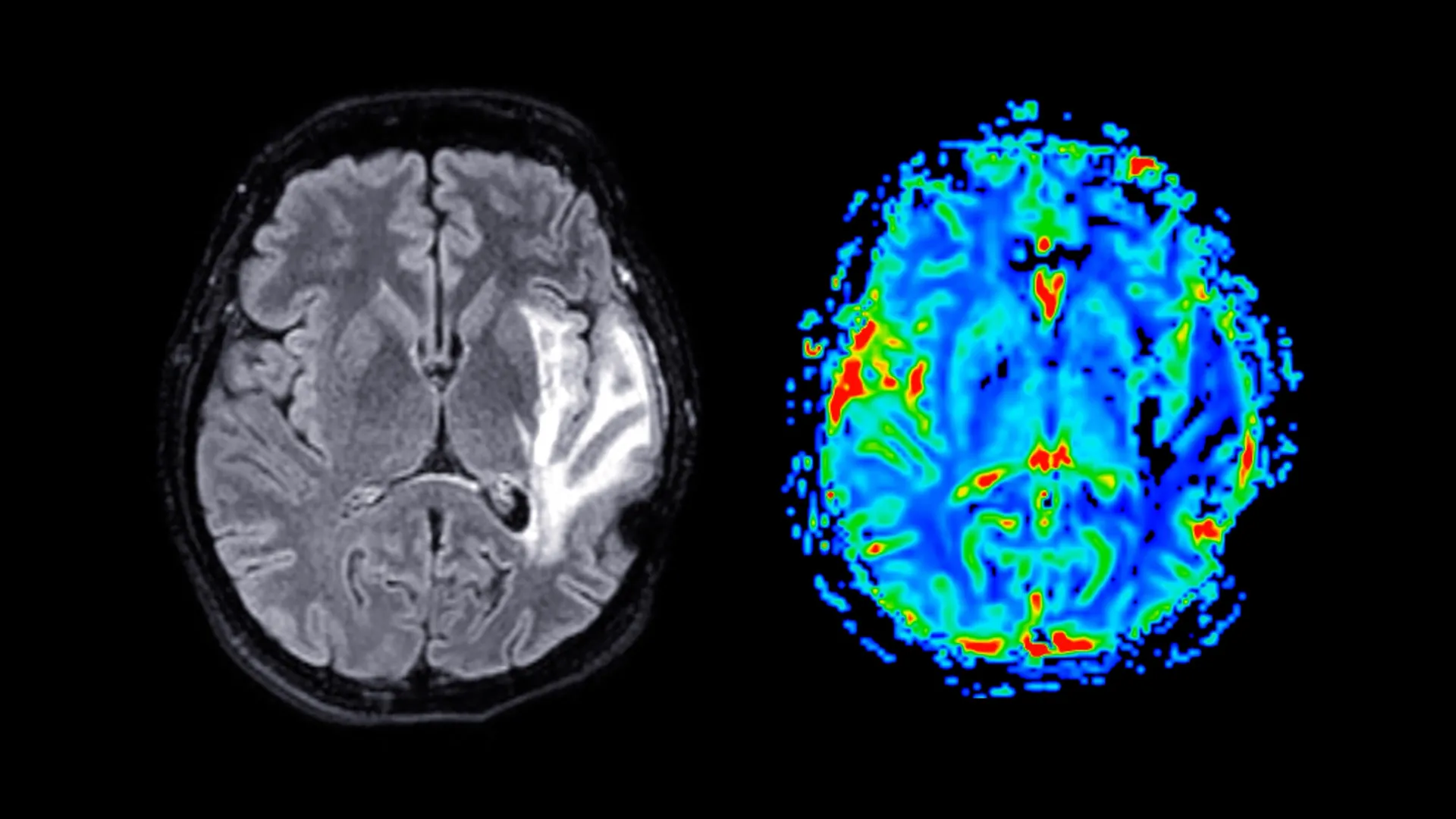
A comprehensive investigation spearheaded by researchers at the University of Cambridge has illuminated a significant association between the menopausal transition and observable alterations in brain architecture, alongside a heightened prevalence of psychological distress, including heightened anxiety, depressive symptoms, and disrupted sleep patterns. The study’s findings indicate a discernible reduction in the volume of grey matter within critical cerebral regions among women who have undergone menopause.
This extensive research, meticulously documented and published in the esteemed journal Psychological Medicine, also delved into the multifaceted impacts of Hormone Replacement Therapy (HRT). While the study did not provide evidence that HRT acts as a preventative measure against these specific neurobiological and mental health changes, it did identify a correlation with a tempered decline in psychomotor reaction speed.
The physiological phenomenon of menopause represents a definitive biological milestone in a woman’s life, signifying the cessation of menstruation, a consequence of naturally declining hormone levels. Typically occurring between the ages of 45 and 55, this phase is frequently accompanied by a spectrum of somatic and psychological experiences, such as vasomotor symptoms (hot flashes), fluctuations in mood, and disturbances in sleep architecture. Prior scientific inquiry has already established a link between menopause and alterations in cognitive functions, encompassing aspects of memory recall, attentional capacity, and linguistic processing.
In an effort to alleviate the symptomatic burden associated with menopause, particularly concerning mood disturbances and sleep irregularities, many women are medically advised to undergo HRT. In England alone, the prescription rate for HRT reached approximately 15% of eligible women in the year 2023, underscoring its widespread clinical application. Despite its prevalence, the intricate mechanisms by which menopause and HRT exert their influence on the brain, cognitive faculties, and overall mental well-being remain areas requiring further elucidation by the scientific community.
To foster a more profound understanding of these complex interactions, the research team meticulously analyzed a substantial dataset drawn from the UK Biobank, encompassing the health and demographic information of nearly 125,000 women. These participants were strategically categorized into three distinct cohorts for comparative analysis: women who had not yet experienced menopause, women who had completed menopause and had no history of HRT use, and women who had completed menopause and had utilized HRT.
The study’s methodology involved the administration of detailed questionnaires designed to capture information pertaining to menopausal symptoms, psychological health status, established sleep habits, and general health indicators. A subset of participants also engaged in a series of cognitive assessments designed to evaluate specific aspects of memory and the speed of motor responses. Furthermore, a significant group of approximately 11,000 women underwent magnetic resonance imaging (MRI) scans, providing invaluable high-resolution anatomical data of their brains, enabling the researchers to identify and quantify structural discrepancies.
The average age at which participants reached menopause was approximately 49.5 years. For those women who were prescribed HRT, the commencement of treatment typically occurred around the age of 49.
Women navigating the post-menopausal stage exhibited a statistically significant increased propensity to seek professional medical assistance for symptoms of anxiety, nervousness, or depression when compared to their pre-menopausal counterparts. Their self-reported scores on validated depression questionnaires were also elevated, and they were more likely to have been prescribed antidepressant medications.
Interestingly, women within the HRT cohort reported higher levels of anxiety and depression when contrasted with women who did not use HRT. However, a more granular examination of the data revealed that these pre-existing psychological tendencies were evident prior to the onset of menopause. The researchers posit that this observation may indicate a clinical strategy where HRT is prescribed in anticipation of potential symptom exacerbation due to menopausal changes, rather than solely as a direct treatment for post-menopausal depression.
Sleep disturbances emerged as another prevalent concern following menopause. Post-menopausal women were more prone to reporting subjective experiences of insomnia, reduced overall sleep duration, and persistent feelings of daytime fatigue. Intriguingly, women undergoing HRT reported the most pronounced fatigue among all three groups, despite no significant difference in their measured total sleep duration when compared to post-menopausal women not taking HRT.
Dr. Christelle Langley, affiliated with the Department of Psychiatry, emphasized the profound impact of menopause, stating, "Most women will experience menopause, and it can be a life-altering event, irrespective of HRT use." She further underscored the critical role of lifestyle interventions, advising, "A healthy lifestyle—engaging in regular exercise, maintaining an active physical presence, and adhering to a nutritious diet, for example—is particularly vital during this period to help mitigate some of its effects." Dr. Langley also highlighted the societal need for increased awareness and support, asserting, "We all need to be more attuned not only to the physical but also to the mental health of women during menopause, and to recognize when they are experiencing difficulties. There should be no stigma associated with sharing one’s experiences and seeking assistance."
Cognitive performance also demonstrated a nuanced relationship with menopausal status. Women who were post-menopausal and not utilizing HRT exhibited a discernible deceleration in their reaction times when compared to both pre-menopausal women and those undergoing HRT. In contrast, no significant disparities in memory performance were observed across the three distinct groups.
Dr. Katharina Zülsdorff, from the Department of Psychology at the University of Cambridge, provided further clarification on these findings, noting, "As we age, our reaction times naturally tend to slow down; this is an inherent aspect of the aging process and affects both men and women." She likened this to a quiz scenario, explaining, "While you might still arrive at the correct answer, younger individuals would undoubtedly reach it much more swiftly. Menopause appears to accelerate this inherent process, but HRT seems to act as a modulator, effectively slowing down this aspect of the aging trajectory to a degree."
Neuroimaging investigations revealed that post-menopausal women exhibited substantial reductions in grey matter volume, a finding that remained consistent regardless of their HRT usage status. Grey matter, the brain’s primary processing center, comprises neuronal cell bodies and is instrumental in information processing, motor control, and the regulation of memory and emotional responses. The regions most notably affected by this volume reduction included the hippocampus, crucial for memory formation and consolidation; the entorhinal cortex, serving as the primary conduit for information transfer between the hippocampus and other brain areas; and the anterior cingulate cortex, a key component of the brain involved in emotional regulation, decision-making, and attentional focus.
Professor Barbara Sahakian, the senior author of the study and a researcher in the Department of Psychiatry, drew a significant connection between these observed brain changes and the increased risk of neurodegenerative diseases, stating, "The brain regions exhibiting these differences are precisely those that are typically impacted by Alzheimer’s disease." She posited, "Menopause could render these women more susceptible to such conditions later in life. While not the sole determinant, this could contribute to explaining why we observe nearly twice as many cases of dementia in women compared to men."
About the Author












