As individuals navigate the landscape of life beyond 55, maintaining robust core strength and abdominal definition often becomes a more pronounced health and wellness objective. The midsection, a critical nexus of stability and power, undergoes distinct physiological shifts with age, impacting not only appearance but, more importantly, functional capacity and overall well-being. This comprehensive guide explores a focused, time-efficient daily approach, emphasizing a concise morning routine that, when paired with supportive lifestyle practices, can significantly enhance core resilience and contribute to a firmer, more supported abdominal region.
The aging process inherently brings about various changes in body composition. Muscle mass, particularly fast-twitch fibers, tends to diminish (sarcopenia), while fat distribution can shift, often accumulating more prominently around the abdomen as visceral fat. This confluence of factors can contribute to a less toned midsection and an increased susceptibility to postural issues and back discomfort. Traditional, intense abdominal workouts, while beneficial for some, may not always be the most sustainable or effective strategy for mature adults, potentially leading to burnout or even injury if not performed with precise form. Instead, a targeted and consistent regimen, designed to awaken and strengthen the deep core musculature, offers a more practical and impactful pathway to success.
A strong, functional core extends far beyond mere aesthetics; it serves as the body’s powerhouse, underpinning nearly every movement and posture. For those over the age of 55, a well-conditioned core is instrumental in mitigating common age-related challenges. It significantly enhances balance and coordination, thereby reducing the risk of falls, a leading cause of injury in older adults. Furthermore, robust core muscles provide crucial support for the spine, alleviating chronic lower back pain and improving overall spinal health. Everyday activities, from lifting groceries to rising from a chair or maintaining an upright posture during a walk, become smoother and less strenuous when the core is optimally engaged. By focusing on deep abdominal activation and stability, individuals can reclaim greater control over their body mechanics and foster a sense of physical confidence.
The strategic placement of core work in the morning capitalizes on the psychological and physiological benefits of establishing a consistent daily habit. Beginning the day with a focused, brief exercise sequence can set a positive tone, creating a sense of accomplishment and momentum that often translates into healthier choices throughout the subsequent hours. Research consistently highlights that adherence is a cornerstone of effective fitness programs, and a short, manageable routine is far more likely to be sustained than an exhaustive one. This approach allows for the deliberate activation of key stabilizing muscles, improving neuromuscular connection and ensuring these muscles are primed to support daily movements, rather than being an afterthought.
Central to this transformative approach is a precisely curated seven-minute core protocol, comprising three highly effective exercises. This sequence is designed to engage the entire core from multiple dimensions, fostering improved control, endurance, and deep abdominal tension. The beauty of this regimen lies in its simplicity and efficiency, requiring only a sturdy surface (such as a bed or floor space) and a dedicated commitment of mere minutes. Each movement is performed with deliberate control and short rest periods, maximizing muscle activation and ensuring a comprehensive stimulus to the core musculature.
1. Side Plank Holds: Fortifying Lateral Stability and Waistline Definition
Side plank holds are a cornerstone exercise for developing robust lateral core strength, primarily targeting the obliques and transverse abdominis. These muscles are pivotal for trunk stability, rotational control, and, importantly, contribute significantly to cinching the waistline. By compelling the core to resist lateral flexion and collapse, side planks build an intrinsic strength that translates directly into enhanced balance during walking, improved posture, and greater resilience against twisting forces encountered in daily life. This exercise is particularly effective because it generates profound core tension without demanding extensive movement, making it accessible yet challenging.
- Muscles Engaged: Obliques (internal and external), transverse abdominis, quadratus lumborum, gluteus medius/minimus, deltoids.
- Execution: Begin by lying on your side with your body in a straight line, supported on your forearm (elbow directly beneath shoulder) and the outer edge of your bottom foot. Alternatively, for reduced intensity, bend your knees and support your weight on your forearm and stacked knees. Engage your core, lifting your hips off the ground until your body forms a straight line from head to heels (or knees). Ensure your hips remain stacked and avoid letting them sag. Maintain a gentle pull of the rib cage downwards to prevent arching the lower back.
- Recommendations: Perform two sets per side, holding each position for 20 to 30 seconds. Allow a 30-second rest period between sets.
- Variations: For beginners, the bent-knee side plank is excellent. As strength progresses, consider a staggered foot stance, or extend the hold duration.
2. Flutter Kicks: Cultivating Lower Abdominal Endurance and Pelvic Control
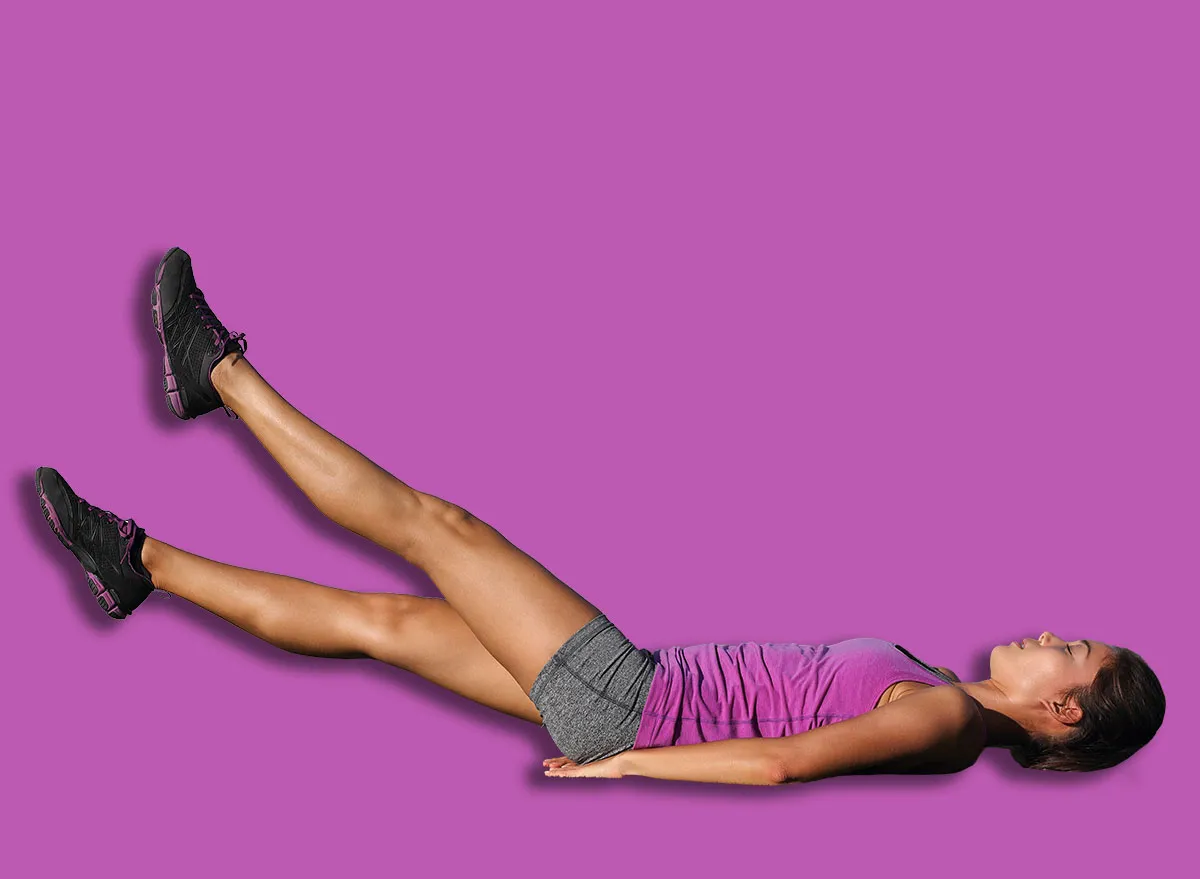
Flutter kicks specifically target the often-underutilized lower abdominal region and the hip flexors, crucial components for pelvic stability and a toned lower midsection. This dynamic movement builds muscular endurance and reinforces consistent core bracing, which is vital for protecting the lumbar spine during various activities. Their inclusion in a morning routine is strategic due to their capacity to quickly generate a deep abdominal "burn" without requiring complex setup or specialized equipment, promoting sustained engagement and improved lower core tone over time.
- Muscles Engaged: Rectus abdominis (especially lower fibers), iliopsoas (hip flexors), transverse abdominis, quadriceps.
- Execution: Lie flat on your back, pressing your lower back firmly into the floor. Place your hands gently beneath your glutes for lumbar support, or keep them by your sides. Lift both legs a few inches off the ground, maintaining a slight bend in the knees. Keeping your core tightly braced and your lower back pressed down, perform small, controlled alternating up-and-down movements with your legs, mimicking a gentle kicking motion. The key is to keep the range of motion small and the movement deliberate, avoiding any arching of the back.
- Recommendations: Complete two sets, each lasting 30 seconds. Rest for 30 seconds between sets.
- Variations: Beginners can start with bent-knee flutter kicks or perform the movement with one leg at a time. More advanced individuals can try hands-free kicks (arms extended overhead) or reduce the height of the legs for a greater challenge.
3. Supine Leg Drops: Enhancing Deep Core Stability and Lumbar Support
Supine leg drops represent a more advanced core stabilization challenge, requiring the abdominal muscles to counteract the leverage created by moving the legs through a greater range of motion. This exercise profoundly strengthens the deep abdominal musculature, particularly the transverse abdominis, and significantly improves pelvic control. It teaches the core to maintain spinal neutrality while the limbs are in motion, a fundamental skill for functional strength. Consistent practice with leg drops is instrumental in developing the precise control necessary to support the lower back and cultivate a more deeply engaged, firmer midsection.
- Muscles Engaged: Transverse abdominis, rectus abdominis, obliques, iliopsoas.
- Execution: Lie on your back with your knees bent and feet flat on the floor. Engage your core and gently press your lower back into the mat. Extend both legs straight up towards the ceiling, maintaining a slight bend in the knees if necessary. Keeping your core braced and ensuring your lower back remains in contact with the floor, slowly lower your legs towards the ground. Only lower them as far as you can without allowing your lower back to arch. Once you reach your lowest controlled point, slowly return your legs to the starting position. The movement should be deliberate and controlled, not rushed.
- Recommendations: Perform two sets of 8 to 12 repetitions. Rest for 30 to 45 seconds between each set.
- Variations: To modify, perform bent-knee leg drops or alternate lowering one leg at a time. For an increased challenge, slow down the tempo of the drop and raise phases.
Integrating the Routine:
The total duration for performing these three exercises, including the prescribed rest periods, is approximately seven minutes. The sequence should be followed precisely: Side Plank Holds (both sides), Flutter Kicks, then Supine Leg Drops. Emphasis must be placed on controlled movement and maintaining a braced core throughout each repetition and hold. This disciplined approach ensures maximal activation and prevents compensatory movements that could lessen the exercise’s effectiveness or lead to strain. Over time, as strength improves, individuals can progress by increasing hold times, repetitions, or transitioning to more challenging variations.
Beyond the Mat: Holistic Lifestyle Habits for Abdominal Health
While targeted core work is undeniably beneficial, its efficacy is dramatically amplified when integrated within a broader framework of supportive daily habits. Achieving and maintaining a strong, toned midsection, particularly after 55, is a multifaceted endeavor that thrives on consistency across several lifestyle domains.
- Nutritional Stewardship: Diet plays a paramount role in managing abdominal fat, especially visceral fat, which contributes significantly to a less defined midsection and carries health risks. Prioritize a diet rich in whole, unprocessed foods, lean proteins (essential for muscle maintenance), ample fiber (aids digestion and satiety), and healthy fats. Minimize intake of refined sugars, excessive saturated fats, and highly processed carbohydrates, which are often implicated in abdominal fat accumulation. Adequate hydration through water consumption is also critical for metabolic function and satiety.
- Consistent Movement: Beyond structured exercise, integrating consistent non-exercise activity thermogenesis (NEAT) throughout the day is highly effective. This includes activities like walking, taking the stairs, gardening, or standing more frequently. Regular, moderate physical activity contributes to overall caloric expenditure, improves circulation, and supports a healthy metabolism, all of which are conducive to a leaner physique and robust core.
- Restorative Sleep: The quality and duration of sleep profoundly impact hormonal balance, directly influencing fat storage, particularly in the abdominal region. Insufficient sleep can elevate cortisol levels (the stress hormone, linked to visceral fat) and disrupt ghrelin and leptin, hormones that regulate hunger and satiety. Aim for 7-9 hours of quality sleep nightly to optimize metabolic health.
- Mindful Stress Management: Chronic stress is another significant contributor to abdominal fat due to sustained cortisol production. Incorporating stress-reducing practices such as meditation, deep breathing exercises, spending time in nature, or engaging in hobbies can help regulate hormonal responses and foster a more balanced internal environment, supporting overall health and body composition goals.
By embracing this synergistic approach—combining a brief, potent morning core routine with a mindful commitment to nutrition, consistent movement, restorative sleep, and effective stress management—adults over 55 can achieve remarkable improvements. The result is not merely a tighter, more defined waistline, but a profound enhancement in core strength, functional independence, and an invigorated sense of confidence and well-being that truly supports a vibrant life. Patience and persistence are key, as small, daily victories accumulate into substantial, lasting transformations.
About the Author