The Cult of Creaminess: Unpacking the Top Mayonnaise Brands Capturing Consumer Loyalty
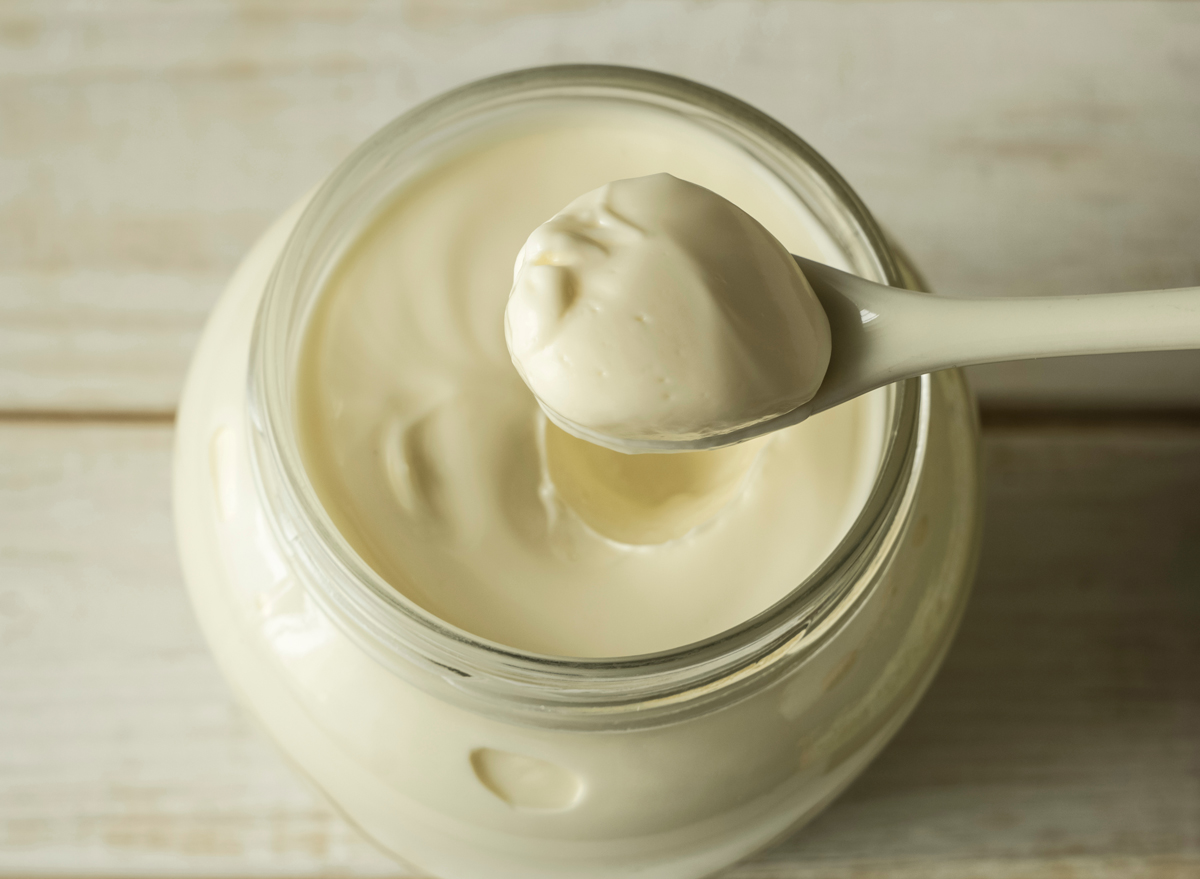
Mayonnaise, a culinary emulsion of oil, egg yolk, and an acidic component like vinegar or lemon juice, holds a distinguished position as one of the globe’s most pervasive and beloved condiments. Its creamy, often tangy profile enhances an astonishing array of dishes, from enriching simple sandwiches and burgers to forming the foundational base for countless salads, dressings, and dips. While its fundamental composition remains consistent, the nuances in ingredient selection, production methods, and regional preferences give rise to a fiercely debated landscape of consumer favorites. The universal appeal of this versatile sauce belies the passionate allegiances it inspires among its devotees, who often champion specific brands with unwavering conviction. This exploration delves into the leading mayonnaise brands that have not only achieved widespread recognition but have also cultivated a devoted following, examining the distinct attributes that elevate them in the eyes of discerning palates.
The origins of mayonnaise are somewhat contested, with both French and Spanish culinary traditions laying claim to its invention in the 18th century. Regardless of its precise genesis, mayonnaise swiftly permeated European cuisine before making its indelible mark across the Atlantic and beyond. Its chemical elegance lies in its status as a stable emulsion, where oil droplets are meticulously dispersed within a water-based phase, primarily stabilized by lecithin found in egg yolks. This scientific marvel translates into a rich, smooth texture that delivers flavor and moisture, making it an indispensable component in kitchens worldwide. As global palates become increasingly sophisticated and diverse, the market for mayonnaise has evolved, presenting a spectrum of options that cater to varied tastes, dietary considerations, and culinary applications. The brands that consistently rise to the top of consumer rankings often do so by striking a delicate balance between tradition, unique flavor profiles, and responsiveness to modern dietary trends.
Kewpie Mayonnaise: The Umami Unifier
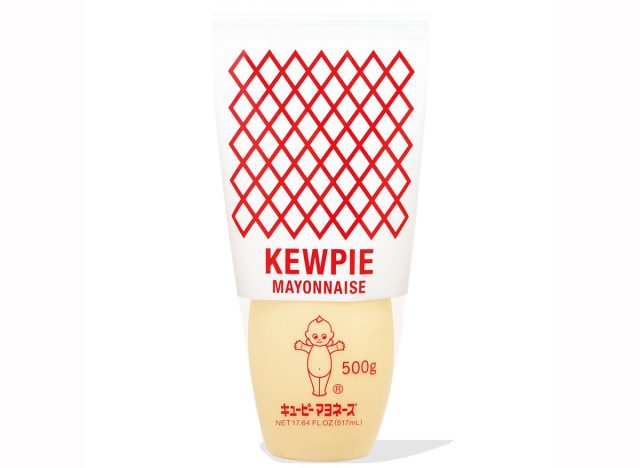
Hailing from Japan, Kewpie Mayonnaise has transcended its Asian origins to become a global phenomenon, particularly revered for its distinctive and intensely flavorful profile. Often described as a "cult favorite," its allure lies in its exceptionally rich, almost custard-like texture and a pronounced umami depth. This unique character is largely attributable to two key factors: a higher ratio of egg yolks compared to many Western counterparts and the inclusion of monosodium glutamate (MSG). The generous use of egg yolks contributes to Kewpie’s signature thick, velvety consistency and deep yellow hue, while MSG amplifies its savory notes, creating a complex, well-rounded taste that resonates deeply with those seeking an extra dimension of flavor.
Kewpie’s ascent in Western markets can be traced to its adoption by chefs and home cooks exploring East Asian cuisine, where it plays an integral role in dishes like takoyaki (octopus balls), okonomiyaki (savory pancakes), and various sushi preparations. Consumers frequently note a preference for the version produced in Japan over its U.S.-made counterpart, suggesting subtle differences in formulation or ingredient sourcing that impact the final taste and texture. This regional loyalty underscores the meticulous attention to detail that defines the brand’s appeal. For many, Kewpie isn’t merely a condiment; it’s an essential ingredient that transforms ordinary meals into extraordinary culinary experiences, fostering an almost evangelical devotion among its users. Its distinctive soft-sided squeeze bottle, topped with a star-shaped nozzle, has also become an iconic symbol of its brand identity, further cementing its unique place in the condiment pantheon.
Hellmann’s and Best Foods: The Enduring American Standard
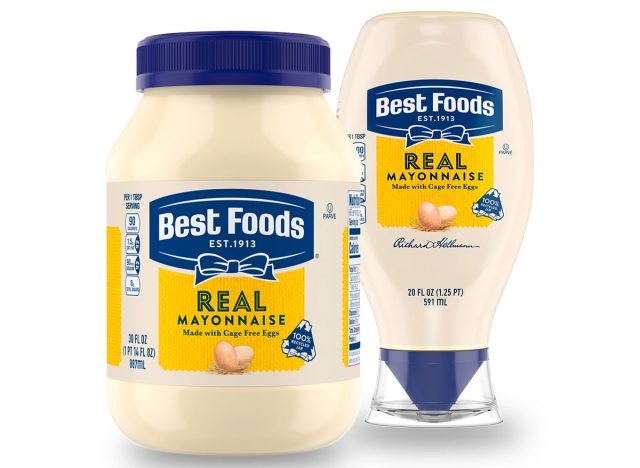
Across the United States, two names consistently emerge as the quintessential representation of classic mayonnaise: Hellmann’s Real Mayonnaise in the East and Best Foods Real Mayonnaise in the West. These are, in essence, the same product, differentiated only by their regional branding, a testament to a historical marketing strategy that has successfully ingrained them into the American culinary consciousness. For generations of consumers, these brands have defined what "real" mayonnaise should taste like—a perfectly balanced blend of savory richness, a subtle tang from vinegar, and an impeccably smooth, creamy texture.
Their widespread acceptance stems from a consistent quality that has made them an indispensable staple in millions of households. From slathering on a classic BLT to binding together a potato salad or coleslaw, Hellmann’s and Best Foods provide a reliable foundation for countless American dishes. Shoppers frequently laud their "authentic taste" and "timeless quality," highlighting their ability to enhance everyday meals without overpowering other flavors. This consistent performance and deep-seated familiarity have cemented their status as a benchmark against which other mayonnaise brands are often measured. The loyalty to these brands is often generational, passed down through family recipes and traditions, making them more than just a condiment but a component of culinary heritage. Their omnipresence in grocery stores and their consistent advertising have further solidified their position as the default choice for many seeking that familiar, comforting taste of traditional mayonnaise.
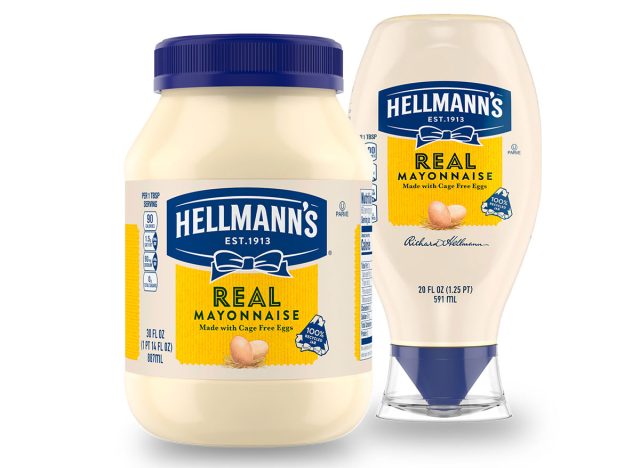
Duke’s Mayonnaise: The Southern Signature
In the Southern United States, Duke’s Mayonnaise commands an almost legendary status, distinguishing itself with a uniquely tangy flavor profile that sets it apart from its contemporaries. The defining characteristic of Duke’s is the complete absence of sugar in its recipe, a deliberate choice that results in a sharper, more acidic taste compared to other leading brands. This distinct tang is precisely what endears it to a fervent regional following, particularly within the rich culinary traditions of the South.
Duke’s creamy consistency, combined with its pronounced acidity, makes it an ideal ingredient for a wide array of Southern dishes. It performs exceptionally well in applications where a robust, non-sweet binder is desired, such as in tomato sandwiches, deviled eggs, and various barbecue sauces. Its ability to hold up without separating in warmer temperatures, a common challenge in Southern climates, also contributes to its practical appeal. Enthusiasts often praise Duke’s for its "just the right amount of tang," asserting its superiority in specific culinary contexts where sweetness would be unwelcome. This regional devotion has created a strong brand identity, making Duke’s not just a product but a cultural touchstone within its primary market. Its unwavering commitment to its original sugar-free formula has allowed it to maintain a unique niche, appealing to those who prioritize a pure, unadulterated mayonnaise experience.
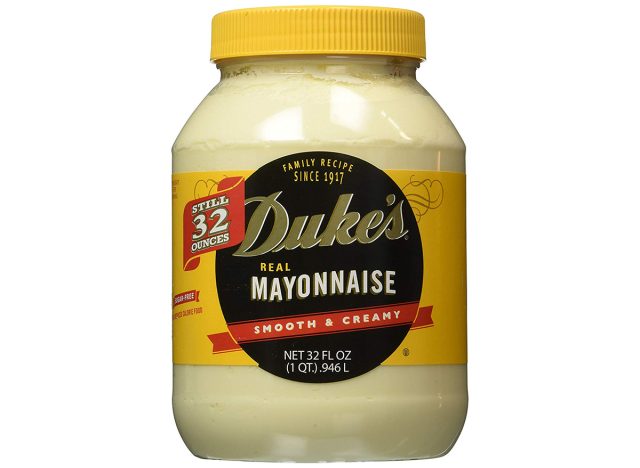
Primal Kitchen Mayo: The Health-Conscious Innovator
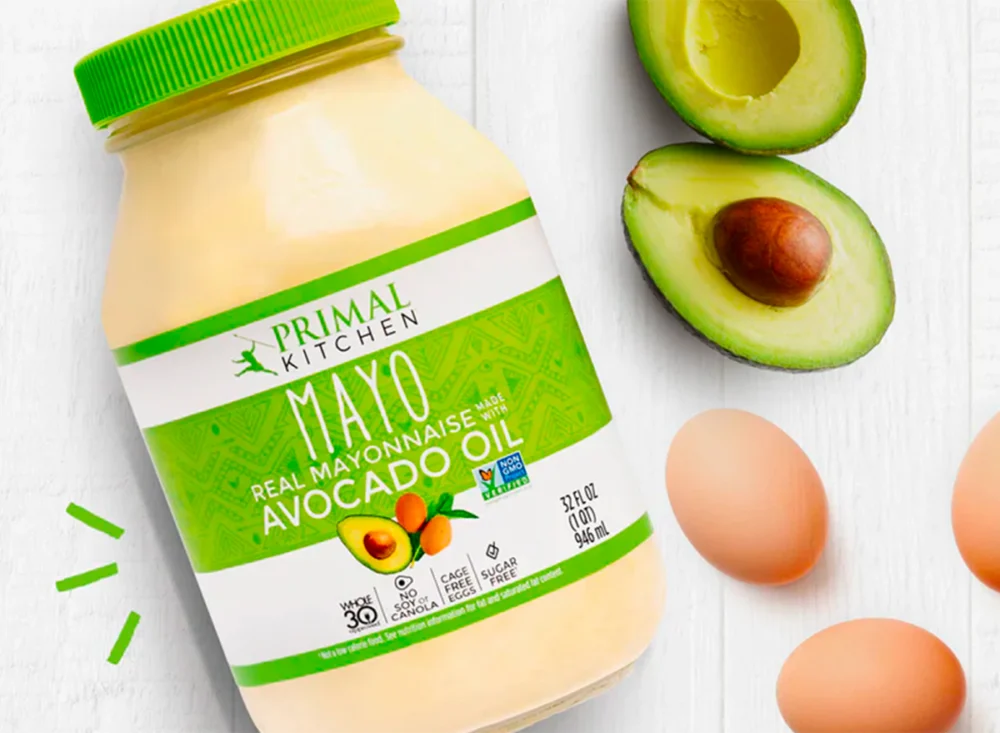
Responding to a growing consumer demand for healthier, "cleaner" food options, Primal Kitchen Mayo has carved out a significant segment in the market by prioritizing ingredient quality and dietary alignment. This brand distinguishes itself by using avocado oil as its primary fat source, a choice driven by the perceived health benefits of monounsaturated fats and a desire to avoid less desirable oils like soybean or canola. Beyond the oil, Primal Kitchen’s commitment to clean eating extends to omitting sugar, soy, and artificial ingredients, making it a popular choice among individuals following specific dietary protocols such as Whole30, paleo, and ketogenic diets.
Despite its reformulated ingredient list, consumers consistently report that Primal Kitchen Mayo delivers a taste and texture remarkably similar to traditional mayonnaise, a crucial factor in its widespread acceptance. This ability to mimic classic flavor while adhering to stringent dietary guidelines makes it a valuable alternative for health-conscious shoppers. While its price point is typically higher than conventional brands, many consumers consider it a worthwhile investment, justifying the cost by citing the superior ingredients and the peace of mind that comes from consuming a product free from common allergens and additives. Its approval by programs like Whole30 has further boosted its credibility and appeal, solidifying its position as a leading choice for those who prioritize wellness without compromising on culinary enjoyment. This brand represents a significant shift in the condiment market, demonstrating that premium, health-focused options can successfully compete with long-established traditional brands by meeting evolving consumer values.
Heinz Mayonnaise: The Elusive Fast-Food Favorite
Heinz, a global titan in the condiment industry, particularly renowned for its ketchup, has also made a significant, albeit somewhat indirect, impact in the mayonnaise category within the United States. Unlike other top brands that are readily available on grocery store shelves, Heinz Mayonnaise in the U.S. primarily circulates through strategic partnerships with major fast-food chains. This unique distribution model has created a distinct kind of loyalty, where consumers often encounter and fall in love with Heinz mayo through specific restaurant experiences, leading to a strong desire for its wider retail availability.
The specialized formulations developed for fast-food giants like Five Guys, Chick-fil-A, Burger King, and Culver’s are often highlighted by aficionados. These bespoke recipes are crafted to complement the rich and often greasy profiles of fast-food items, offering a specific blend of creaminess and tang that enhances the overall dining experience. The enthusiasm for Heinz mayo from these establishments is palpable, with many expressing a fervent wish to purchase it for home use. This indirect market presence underscores the power of taste and brand association; even without direct retail access, Heinz has managed to cultivate a dedicated following based on its performance in specific culinary contexts. The longing for retail access speaks volumes about the perceived quality and desirability of these specialized fast-food mayonnaise blends, illustrating how brand preference can be forged through unique and memorable consumption experiences rather than traditional grocery store presence.
In conclusion, the realm of mayonnaise is far more diverse and passionately contested than its simple composition might suggest. From the umami-rich depth of Kewpie to the foundational reliability of Hellmann’s/Best Foods, the distinct tang of Duke’s, the health-conscious innovation of Primal Kitchen, and the elusive fast-food perfection of Heinz, each brand has carved out its niche by appealing to specific tastes, regional loyalties, or dietary philosophies. The concept of the "best" mayonnaise is ultimately subjective, deeply rooted in individual preference, culinary tradition, and evolving consumer priorities. Yet, the fervent discussions and unwavering brand allegiances underscore mayonnaise’s enduring significance as a culinary staple, a versatile and beloved emulsion that continues to inspire devotion across diverse palates and kitchens worldwide. As consumer tastes and dietary trends continue to evolve, the mayonnaise market will undoubtedly keep adapting, offering new variations while perennial favorites maintain their cherished positions.

Related News