A significant breakthrough in understanding a rare but devastating autoimmune condition affecting the brain has been announced by researchers at Oregon Health & Science University (OHSU), offering a beacon of hope for improved therapeutic interventions. Published in the esteemed journal Science Advances, the study pinpoints precise molecular sites on a crucial brain receptor that are targeted by the body’s own immune system, a discovery that could revolutionize treatment strategies for individuals afflicted by this enigmatic illness. Beyond therapeutic implications, this granular understanding of the disease mechanism may also accelerate the development of early diagnostic tools, potentially enabling faster intervention and better patient outcomes.
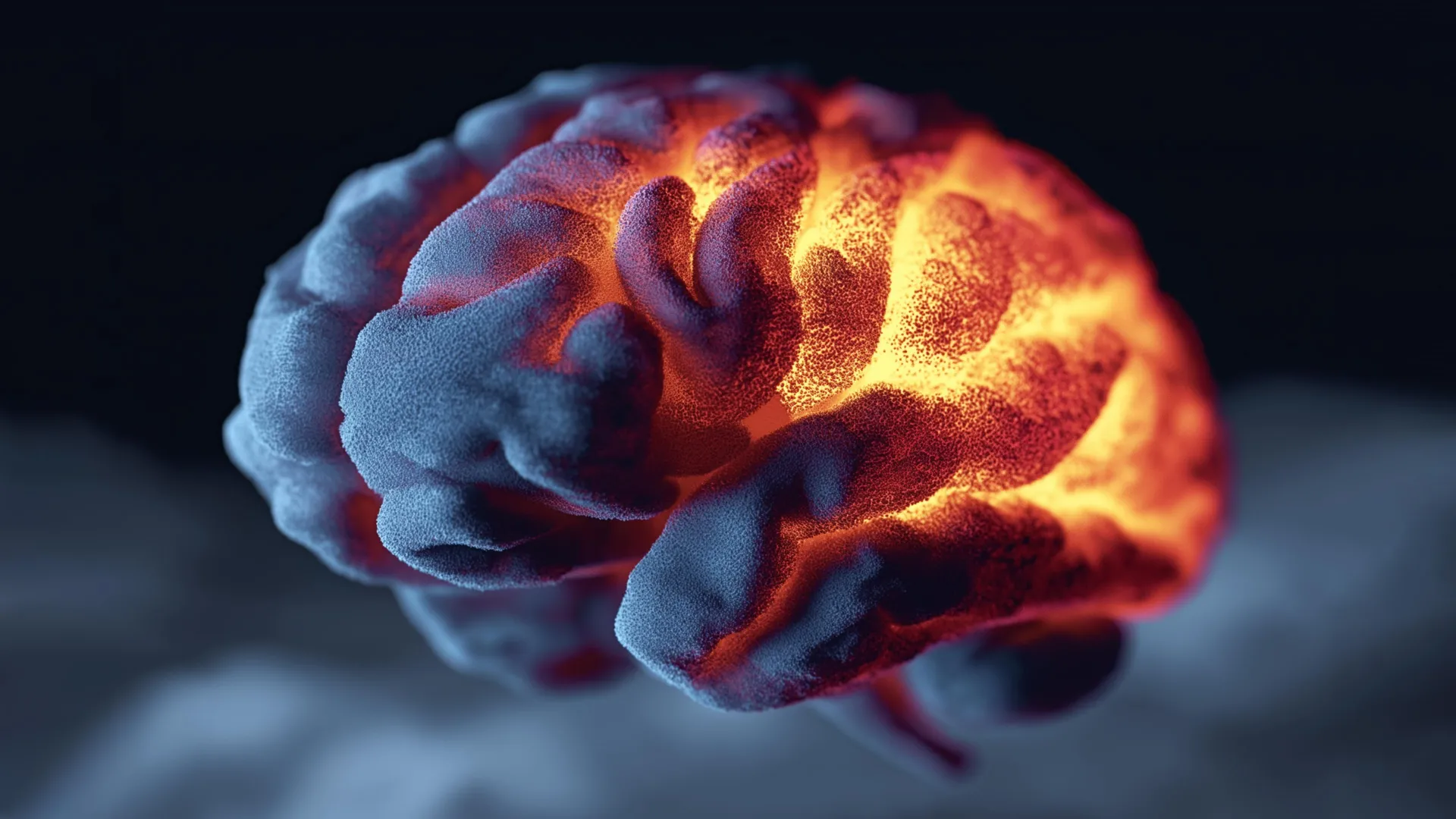
The condition, colloquially referred to as "brain on fire," gained wider public recognition through a compelling biographical account and its subsequent film adaptation, shedding light on a disorder that, while dramatic, affects a relatively small segment of the population, estimated at approximately one in a million individuals annually. The typical onset occurs in young adulthood, often impacting those in their twenties and thirties. This neurological affliction arises when the immune system, for reasons not yet fully understood, erroneously identifies and attacks specific components of the central nervous system.
At the heart of this autoimmune assault lies the N-methyl-D-aspartate (NMDA) receptor, a vital protein complex embedded within neuronal cell membranes. These receptors play an indispensable role in fundamental cognitive processes, including learning, memory formation, and synaptic plasticity – the ability of brain connections to strengthen or weaken over time, which is the basis of learning. When the immune system directs its aggressive response towards NMDA receptors, it is often mediated by autoantibodies, specialized proteins that mistakenly bind to these critical neuronal structures. The ensuing disruption can manifest in a cascade of severe neurological symptoms, ranging from profound personality shifts and severe memory impairments to debilitating seizures and, in the most extreme scenarios, can prove fatal.
The OHSU research team, led by postdoctoral fellow Dr. Junhoe Kim of the Vollum Institute, employed sophisticated analytical techniques to meticulously map the interaction points between these pathogenic autoantibodies and the NMDA receptor. Their investigation involved analyzing autoantibodies collected from a specially designed mouse model that accurately recapitulates the human disease. These findings were then rigorously compared with high-resolution imaging data of similar antibodies derived from human patients diagnosed with the disorder. The convergence of these observations was striking: the specific locations where the antibodies attached in the experimental models closely mirrored those identified in human subjects, providing compelling evidence of conserved binding mechanisms across species.
"We have obtained exceptionally robust data because the autoantibody binding sites that Junhoe has identified demonstrate a significant overlap with those observed in human patients," stated Dr. Eric Gouaux, a senior scientist at the Vollum Institute and an investigator with the Howard Hughes Medical Institute, who served as the senior author on the study. "Our current research efforts are singularly focused on this region, which we now consider a critical nexus for the molecular interactions that underlie at least one fundamental aspect of this disease."
Dr. Kim further elaborated on the study’s contribution, explaining that prior research had established a general vicinity on the NMDA receptor where these problematic antibodies were likely to bind. "Previous studies had provided an indication of the potential binding areas for these antibodies," he noted. "However, our work involved collecting a comprehensive panel of native autoimmune antibodies from a disease-specific mouse model. We then proceeded to precisely elucidate the exact binding locations on the receptor for each of these antibodies."
The crucial insights into these molecular interactions were made possible by the application of cutting-edge near-atomic imaging technology at the Pacific Northwest Cryo-EM Center, located on OHSU’s South Waterfront campus. This advanced facility, one of only three national centers dedicated to this state-of-the-art imaging technique, is a collaborative endeavor between OHSU and the Pacific Northwest National Laboratory, with support from the National Institutes of Health (NIH). The Cryo-Electron Microscopy (Cryo-EM) method allows researchers to visualize biological molecules at resolutions approaching the atomic level, providing unprecedented detail about their structure and function.
Through this high-resolution imaging, the research team was able to discern a remarkable pattern: the vast majority of the identified autoantibodies converged on a singular, localized region of the NMDA receptor. "It is truly an exhilarating finding that nearly all of the antibodies are binding to a single domain of the receptor, which, coincidentally, is also the most accessible and therefore the most straightforward part of the receptor to target therapeutically," Dr. Gouaux remarked. This concentrated binding site presents a highly promising avenue for intervention.
This newfound understanding of the antibody binding sites holds immense potential for the development of more precise and effective therapeutic agents. According to Dr. Gary Westbrook, a neurologist and senior scientist at the Vollum Institute who co-authored the study, pharmaceutical companies can now leverage this detailed molecular blueprint to design drugs specifically engineered to neutralize or block these harmful antibody interactions. Current treatment paradigms for anti-NMDA receptor encephalitis largely rely on broad immunosuppressive therapies, which aim to dampen the entire immune system’s activity. While these treatments can be effective for some, they are not universally successful and often leave patients vulnerable to relapses, underscoring the urgent need for more targeted approaches. "There is an undeniable imperative for more specific therapeutic strategies," Dr. Westbrook emphasized.
The research team responsible for this groundbreaking discovery included Farzad Jalali-Yazdi, Ph.D., and Brian Jones, Ph.D., both from OHSU, in addition to Drs. Kim, Gouaux, and Westbrook. Funding for this pivotal research was generously provided by the National Research Foundation of Korea (award RS202400334731), as well as by grants from the National Institute of Mental Health and the National Institute of Neurological Disorders and Stroke, both integral components of the NIH (under award numbers F32MH115595, R01NS117371, and R01NS038631). Additional support came from the Howard Hughes Medical Institute and the philanthropic contributions of Jennifer and Bernard LaCroute. It is important to note that the content of this publication is solely the responsibility of the authors and does not necessarily reflect the official policies or viewpoints of the NIH. Furthermore, all animal research conducted at OHSU adheres to stringent ethical guidelines, undergoing thorough review and approval by the university’s Institutional Animal Care and Use Committee (IACUC). This committee ensures the highest standards of animal welfare, the safety of research personnel, and rigorously evaluates the scientific merit of proposed studies involving live animals, justifying their use in advancing human health.
About the Author