A recent clinical investigation spearheaded by researchers at the University of Bonn has unveiled compelling evidence suggesting that a highly concentrated, short-duration dietary intervention centered on oats can deliver a substantial and sustained reduction in "bad" cholesterol levels among individuals grappling with metabolic syndrome. Published in the esteemed journal Nature Communications, the findings indicate that merely two days of an almost exclusively oat-based, calorie-restricted regimen led to a remarkable 10 percent decrease in low-density lipoprotein (LDL) cholesterol, a benefit that persisted for several weeks post-intervention. Beyond the immediate metabolic improvements, the study also meticulously charted significant shifts within the participants’ gut microbiomes, identifying specific bacterial populations and their metabolic byproducts as potential mediators of these health advantages.
Metabolic syndrome represents a growing public health challenge, characterized by a confluence of interrelated physiological abnormalities that dramatically elevate an individual’s predisposition to developing type 2 diabetes, cardiovascular disease, and stroke. This complex condition is typically diagnosed when a person presents with at least three of the following five risk factors: elevated blood pressure, high blood sugar, excess body fat around the waist (abdominal obesity), abnormal cholesterol levels (high triglycerides and low high-density lipoprotein or HDL cholesterol), and insulin resistance. The global prevalence of metabolic syndrome is a cause for significant concern, impacting a substantial portion of the adult population in many industrialized nations and underscoring the urgent need for effective, accessible, and non-pharmacological interventions. The University of Bonn study specifically targeted individuals afflicted with metabolic syndrome, though not yet diagnosed with diabetes, to explore the preventative potential of dietary modifications.
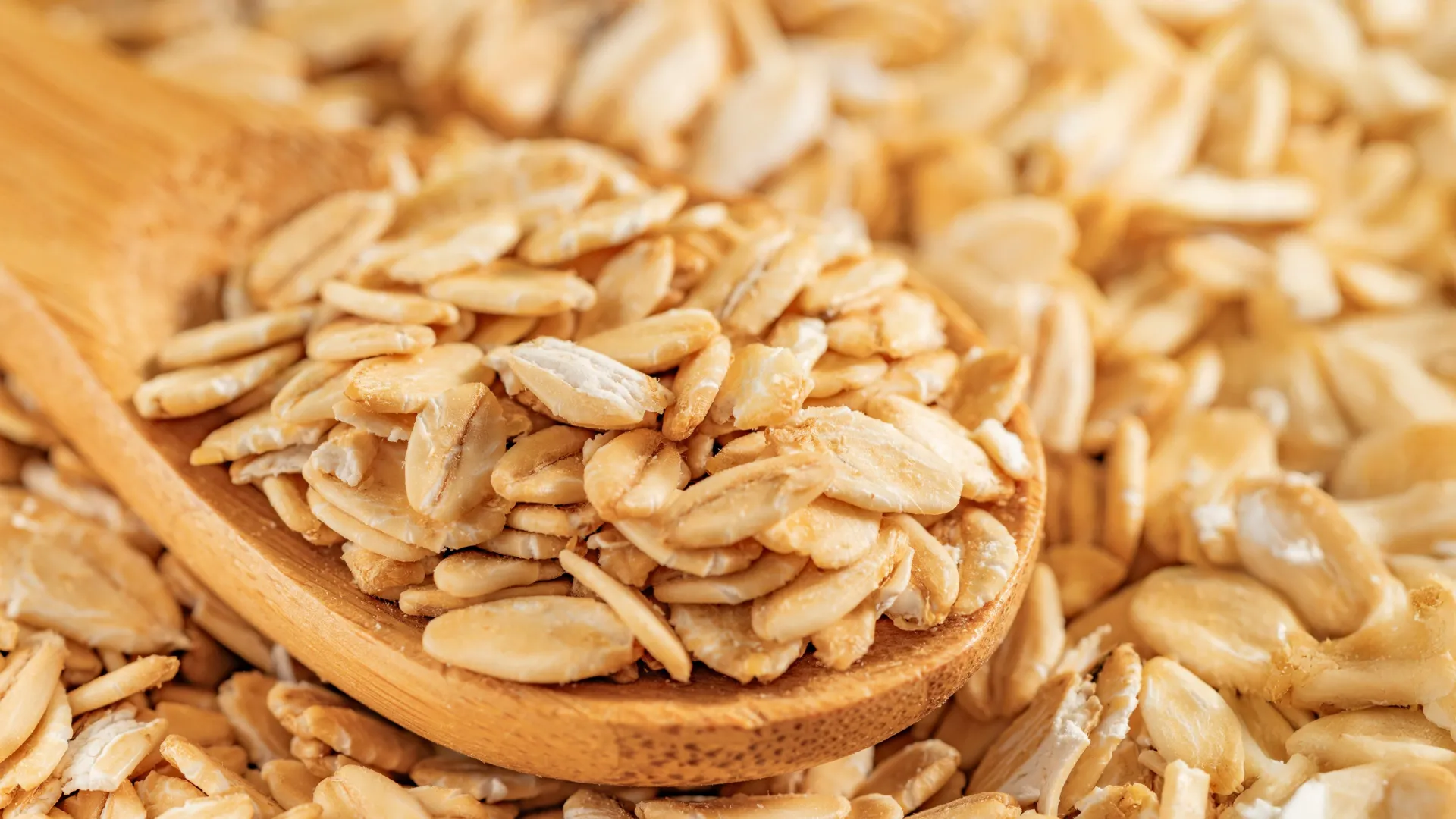
The core of the research involved a meticulously designed two-day intensive dietary phase. Participants, comprising 32 men and women diagnosed with metabolic syndrome, were instructed to consume a diet almost entirely composed of boiled oatmeal three times daily, complemented only by minimal quantities of fruits and vegetables. This specialized dietary plan, providing approximately 300 grams of oatmeal per day, was also calorie-restricted, effectively halving the participants’ typical daily energy intake. A control group, matched for baseline characteristics, also adhered to a calorie-reduced diet but without the inclusion of oats. The comparative analysis between these two groups yielded striking results: while both groups experienced some benefits from reduced caloric intake, the improvements observed in the oat-consuming cohort were markedly more pronounced. Specifically, their LDL cholesterol levels plummeted by an average of 10 percent. Furthermore, participants in the oat intervention group experienced an average weight reduction of two kilograms and a slight, but clinically relevant, decrease in blood pressure.
The significant drop in LDL cholesterol is particularly critical given its profound implications for cardiovascular health. Often referred to as "bad" cholesterol, high levels of LDL cholesterol contribute directly to the insidious process of atherosclerosis. This condition involves the gradual accumulation of fatty deposits, known as plaques, within the inner walls of arteries. Over time, these plaques can harden and narrow the blood vessels, impeding the smooth flow of blood to vital organs. The most perilous aspect of atherosclerosis is the risk of plaque rupture, which can be triggered by various factors including physical exertion, emotional stress, or sudden surges in blood pressure. A ruptured plaque can lead to the formation of a blood clot that either completely obstructs the artery at the site of rupture or detaches and travels through the bloodstream, potentially lodging in a smaller vessel in the heart or brain. Such blockages are the primary cause of heart attacks and ischemic strokes, rendering a 10 percent reduction in LDL cholesterol a highly valuable clinical outcome, even if it doesn’t entirely mirror the potent effects of contemporary pharmaceutical interventions.
A central objective of the study was to elucidate the underlying biological mechanisms responsible for the observed health benefits. The research team turned its attention to the intricate ecosystem residing within the human gut – the gut microbiome. Growing scientific consensus acknowledges the pivotal role of gut bacteria in modulating host metabolism, immune function, and overall well-being. The Bonn researchers meticulously analyzed stool samples from participants and identified distinct changes in the composition and activity of their gut microbial communities following the oat intervention. "We were able to pinpoint an increase in the abundance of specific bacterial species within the gut following oatmeal consumption," stated Linda Klümpen, the lead author of the study. These beneficial microbes play a crucial role in breaking down complex carbohydrates and fiber, such as those abundantly found in oats, into various metabolic byproducts.
Among these byproducts, the scientists focused on phenolic compounds. "Our investigation revealed that intestinal bacteria actively produce phenolic compounds through the metabolic breakdown of oats," Klümpen elaborated. One such compound identified was ferulic acid, a powerful antioxidant. Previous animal studies have already indicated that ferulic acid exerts a positive influence on cholesterol metabolism, and the current human trial suggests a similar beneficial effect for this and other bacterial metabolites. These microbial-derived substances are not confined to the gut; they can be absorbed into the bloodstream, where they may exert systemic effects on various organs, including those involved in lipid regulation. Additionally, the research uncovered that certain gut microbes, stimulated by oat intake, facilitate the elimination of the amino acid histidine. Without this efficient microbial processing, histidine can be converted into a compound thought to exacerbate insulin resistance, a fundamental characteristic of type 2 diabetes. This dual action – promoting beneficial cholesterol metabolism and mitigating factors linked to insulin resistance – underscores the multifaceted protective role of oats.
Interestingly, the therapeutic potential of oats in managing metabolic conditions is not a novel concept. In the early 20th century, a pioneering German physician named Carl von Noorden extensively employed oat-based diets to treat his diabetic patients, reporting considerable success. However, with the advent of modern pharmacotherapy for diabetes, such dietary approaches gradually receded from mainstream clinical practice. "Today, while highly effective medications are readily available for diabetes management," explained Marie-Christine Simon, a junior professor at the Institute of Nutritional and Food Science at the University of Bonn and a co-author of the study, "the historical significance of dietary interventions like the oat diet has been largely overlooked in recent decades." The current study can thus be viewed as a scientific re-evaluation and validation of an ancient therapeutic wisdom, brought to light through contemporary scientific rigor.
To further assess the optimal mode of oat consumption, the researchers also included a separate six-week phase where participants consumed a more moderate amount of oatmeal—80 grams daily—without imposing additional calorie restrictions. In contrast to the dramatic results of the intensive two-day plan, this longer, less restrictive approach yielded only modest changes in cholesterol levels and other metabolic markers. This finding suggests that the combination of high oat intake and concurrent calorie restriction, even for a brief period, is crucial for eliciting significant metabolic improvements. Junior Professor Simon reflected on these findings: "The sustained reduction in cholesterol levels observed six weeks after a short-term intervention points towards the potential of periodic, intensive oat-based diets as a well-tolerated strategy for maintaining cholesterol within a healthy range and potentially preventing the onset of diabetes." She added that the next logical step in their research would be to investigate whether regularly repeated intensive oat-based diets could establish a permanently preventative effect.
The robustness of the study’s conclusions is underpinned by its rigorous methodology. Both the short-term and longer-term interventions were conducted as randomized controlled trials (RCTs), considered the gold standard in clinical research. In an RCT, participants are randomly assigned to different groups, minimizing bias and ensuring that any observed differences between groups are attributable to the intervention itself. While complete blinding of participants is often challenging in nutritional studies (as individuals typically know what they are consuming), the laboratory teams responsible for analyzing blood and stool samples, as well as those measuring blood pressure and weight, were kept unaware of the participants’ group assignments. This "investigator blinding" is a critical measure to prevent unconscious bias from influencing the measurement and interpretation of results.
A total of 68 individuals participated across the various phases of the research. In the two-day intensive oat-based study, 17 participants completed the oat intervention, while 15 finished in the control group (two individuals withdrew for personal reasons). For the six-week moderate intervention, 17 participants in each group successfully completed the study. The sample size of 17 per arm was determined based on insights from prior interventional data, ensuring adequate statistical power.
Before any dietary modifications commenced, a comprehensive battery of baseline measurements was collected from all participants. These included blood samples to assess LDL cholesterol levels and specific phenolic compounds like dihydroferulic acid (a proposed biomarker of beneficial gut bacterial activity), stool samples for detailed analysis of microbial species (using 16S RNA sequencing, a technique that identifies bacteria via unique genetic fingerprints) and their metabolic byproducts, as well as physical parameters such as blood pressure, weight, height, waist circumference, and body fat composition. Follow-up assessments, involving the identical set of measurements and sample collections, were conducted immediately after the two-day oat phase, and subsequently at two, four, and six weeks. The group participating in the six-week moderate oatmeal intervention underwent a similar testing protocol.
This comprehensive approach, from the careful selection of a high-risk yet non-diabetic population to the detailed analysis of both macroscopic (cholesterol, weight, blood pressure) and microscopic (gut microbiome composition, specific metabolites) physiological changes, provides a holistic understanding of oats’ metabolic impact. The study received financial backing from several prominent organizations, including the German Federal Ministry of Education and Research (BMBF), the German Diabetes Association (DDG), the German Research Foundation (DFG), the German Cereal Processing, Milling and Starch Industries’ Association (VGMS), and RASO Naturprodukte, underscoring the broad scientific interest in these findings. The research opens promising avenues for integrating short, intensive dietary periods into preventative health strategies for metabolic syndrome.
About the Author