A nascent area of public health research is exploring the potential of cannabis-infused beverages as a novel approach to mitigate alcohol consumption, with initial findings indicating a significant voluntary reduction in alcohol intake among individuals who have transitioned to these alternatives. This emerging field of inquiry, spearheaded by public health scholars at the University at Buffalo, posits that a growing segment of the population may find solace and a reduction in alcohol-related harms by embracing cannabis-based drinkable products.
The profound societal and individual toll exacted by alcohol consumption is a well-documented public health concern. Extensive scientific literature links excessive alcohol use to a constellation of severe health issues, including an increased risk for at least seven distinct types of cancer, and a broad spectrum of nearly 200 other diseases and medical conditions. In stark contrast, cannabis, particularly in moderated use, is generally perceived to present a comparatively lower risk profile, especially when juxtaposed with the deleterious effects of heavy or habitual alcohol consumption.
This pioneering research, the findings of which have been formally documented and published in the esteemed Journal of Psychoactive Drugs, represents a groundbreaking effort to specifically investigate the utility of cannabis beverages as a tangible instrument for alcohol harm reduction.
Understanding the Principles of Harm Reduction
At its core, harm reduction represents a pragmatic public health philosophy dedicated to minimizing the adverse consequences intrinsically associated with substance use. While the aspirational ideal for many public health initiatives remains complete abstinence from all substances, a significant portion of the adult population continues to engage with legal psychoactive substances such as alcohol, tobacco, and cannabis. Harm reduction strategies, therefore, pivot their focus toward risk mitigation and the incremental reduction of negative impacts, rather than rigidly mandating total avoidance.
Dr. Jessica Kruger, the lead author of the study and a clinical associate professor of community health and health behavior within the University at Buffalo’s School of Public Health and Health Professions, articulated the study’s foundational premise: "In this inaugural study of its kind, we are introducing the concept of utilizing cannabis as a form of harm reduction for alcohol. While cannabis has been previously theorized as a harm reduction agent for other substances, such as opioids, its application as a strategy for legal substances like alcohol has not been as extensively discussed." Dr. Kruger acknowledged that widespread societal acceptance of this paradigm shift may necessitate a considerable period of time, noting, "I believe we have a substantial journey ahead before this concept becomes as mainstream as the increasing availability of cannabis beverages themselves, which represent a novel mode of consumption."
The Ascendant Trajectory of the Cannabis Beverage Market
The commercial landscape for cannabis-infused beverages is currently experiencing a period of rapid and substantial growth. Market intelligence firm Euromonitor projects that the global sales figures for this category could potentially exceed the impressive threshold of $4 billion by the year 2028. Concurrently, a notable trend within the American populace is a discernible and active pursuit of strategies to reduce alcohol intake, a sentiment that extends well beyond the confines of typically observed post-holiday periods like "Dry January."
The foundational research for this study involved a comprehensive survey administered to 438 anonymous adult participants who reported having consumed cannabis within the preceding twelve months. Among this cohort, a substantial majority, nearly 56%, indicated that they also partake in alcohol consumption. Furthermore, approximately one-third of these individuals reported utilizing cannabis beverages, with a typical consumption pattern involving one such beverage per occasion of use.
Crucially, participants who explicitly reported consuming cannabis beverages demonstrated a statistically significant higher likelihood of stating that they substituted cannabis for alcohol (58.6%) when compared to individuals who engaged with other forms of cannabis products (47.2%). This finding suggests a distinct behavioral pattern associated with the consumption of cannabis in liquid form.
Examining Consumption Patterns and Cannabinoid Content
An in-depth analysis of the reported consumption patterns revealed that the overwhelming majority of respondents who consumed cannabis drinks indicated a preference for products containing 10 milligrams (mg) of cannabidiol (CBD) or less, representing 89.5% of this group. A smaller, yet significant, segment, comprising 10.4% of participants, reported consuming beverages with CBD concentrations exceeding 10 mg. A notable proportion, nearly half (48%), admitted to being uncertain about the precise CBD content of the beverages they consumed, highlighting a potential area for improved product labeling and consumer education.
Individuals who initiated the use of cannabis beverages reported a discernible and measurable decrease in their overall alcohol consumption. On average, these participants indicated consuming 3.35 alcoholic beverages per week following the adoption of cannabis drinks, a marked reduction from their pre-cannabis beverage consumption rate of 7.02 drinks per week. Moreover, these individuals also reported experiencing fewer instances of binge drinking episodes.
The data further indicated that nearly two-thirds of all survey respondents (62.6%) stated that they had either substantially reduced (61.5%) or completely ceased (1.1%) their alcohol consumption subsequent to commencing the use of cannabis beverages. A minuscule fraction, representing 3.3% of the surveyed population, reported an increase in their alcohol intake.
Investigating the Mechanisms Behind Cannabis Drink Substitution
The collective findings of this research strongly suggest that cannabis-infused beverages hold considerable promise as a viable option for individuals seeking to substitute alcohol, thereby potentially mitigating the spectrum of alcohol-related harms.
Dr. Daniel Kruger, a co-author of the study and a research associate professor at UB’s School of Public Health and Health Professions, emphasized the broader context: "Multiple prior studies, including our own investigation, have provided empirical evidence that individuals have successfully reduced their alcohol consumption by transitioning to cannabis use."
He further elaborated on the specific impact of cannabis beverages: "It is particularly noteworthy that individuals who consume cannabis beverages report an even more substantial reduction in alcohol consumption compared to those who utilize other forms of cannabis products, excluding beverages. Our hypothesis is that this amplified effect may be attributable to the inherent similarities in the method of administration and the contextual aspects of consumption. For instance, at social gatherings such as parties or bars, individuals typically hold a beverage, and in this scenario, a cannabis beverage can seamlessly serve as a familiar and socially acceptable alternative to an alcoholic one."
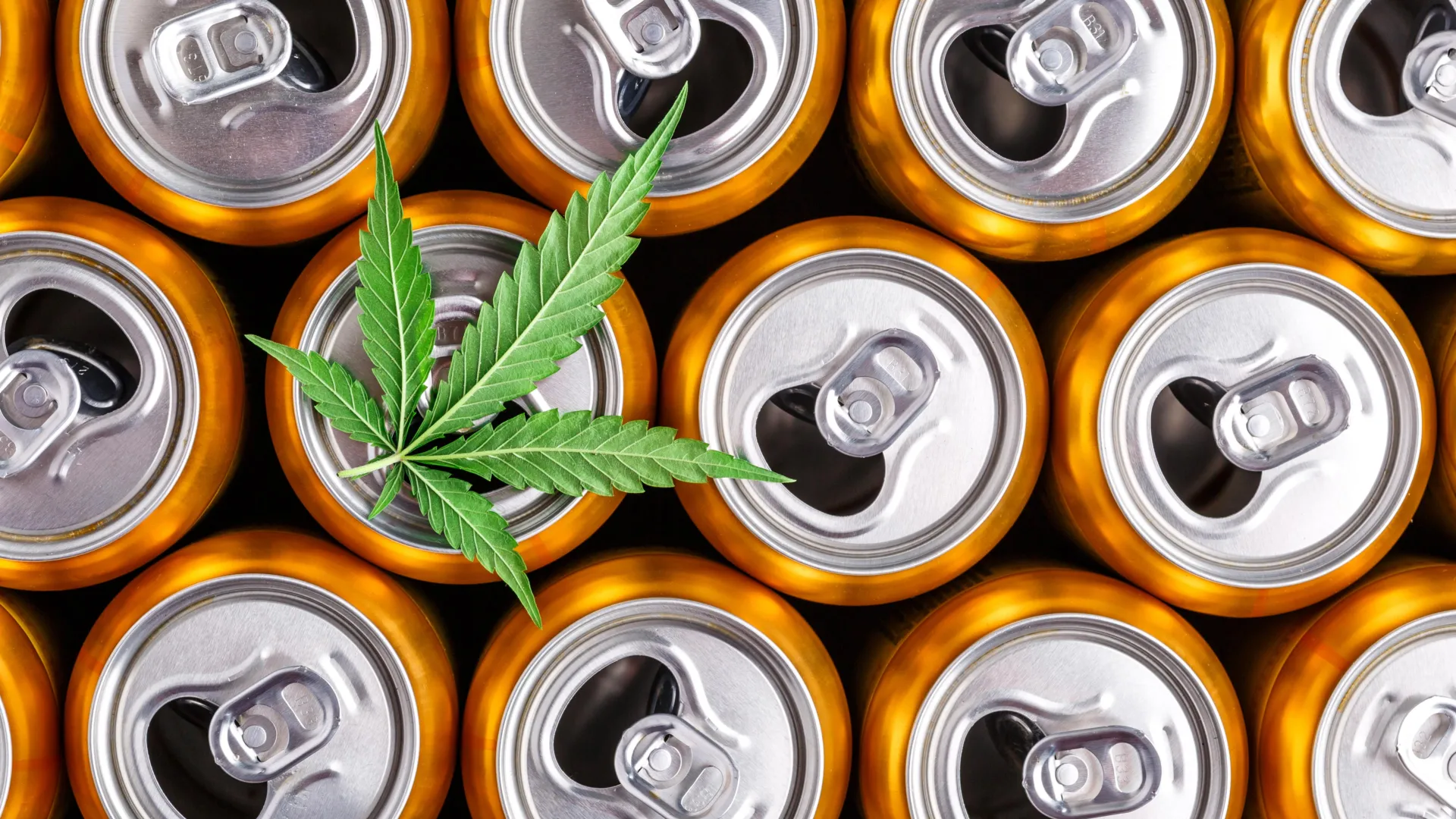
The visual and packaging design of many cannabis drinks, often presented in cans that closely resemble those of traditional beer or hard seltzer, may contribute to their perceived familiarity and comfort in social settings. As an increasing number of states across the nation enact legislation to legalize adult-use cannabis, these novel products are becoming more readily accessible to a broader consumer base. In New York State, for example, the first legally sanctioned cannabis beverage entered the market in January 2023, shortly after the commencement of licensed cannabis sales.
The study also revealed that an overwhelming majority, nearly 82%, of survey participants who utilized cannabis beverages reported procuring their products from licensed medical or adult-use dispensaries, underscoring a preference for regulated and legal sources.
The research team intends to continue its investigations into the evolving relationship between cannabis beverage consumption and drinking behaviors over extended periods. Future research will also focus on comparative analyses of different methods of cannabis administration and their respective impacts.
Dr. Nicholas Felicione, an assistant professor of community health and health behavior at UB, also made significant contributions to this study. The research team expressed their gratitude to their community partners, Premier Earth and Star Buds, both licensed cannabis dispensaries located in the Buffalo area, for their invaluable assistance in the distribution of the survey.
About the Author