The intricate relationship between physical activity and overall well-being is well-established, with regular exercise recognized as a cornerstone of both physical and mental health. However, recent scientific inquiry is delving deeper, suggesting that the precise nature and intensity of one’s training regimen may exert a profound and dynamic influence on an often-overlooked internal ecosystem: the gut microbiome. Groundbreaking research from Edith Cowan University (ECU) in Australia is shedding new light on this complex interplay, proposing that the demands placed on the body during different training loads can actively reshape the bacterial communities residing within an athlete’s digestive tract.
At the heart of this investigation is PhD candidate Ms. Bronwen Charlesson, whose work meticulously examined how fluctuating training loads—spanning from rigorous, high-intensity periods to more moderate or lighter recovery phases—impact the gut health of athletes. Her overarching objective was to unravel the mechanisms through which alterations in this internal microbial landscape might contribute to enhanced physiological function, improved subjective well-being, and ultimately, superior athletic performance. This pursuit marks a significant step towards a more holistic understanding of human physiology, moving beyond traditional metrics to consider the microbial partners that co-exist within us.
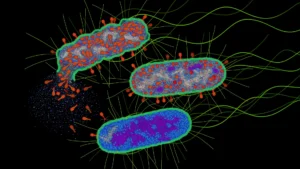
To fully appreciate the implications of these findings, it is essential to first understand the gut microbiome itself. This vast and diverse community of trillions of microorganisms, including bacteria, viruses, fungi, and other microbes, inhabits the human gastrointestinal tract. Far from being passive inhabitants, these microbes play a pivotal role in numerous critical bodily functions. They are instrumental in the digestion and absorption of nutrients, breaking down complex carbohydrates and fibers that human enzymes cannot process, thereby synthesizing essential vitamins like K and several B vitamins. Beyond digestion, the gut microbiome is a key modulator of the immune system, helping to train immune cells and distinguish between beneficial and harmful substances. It also influences metabolism, energy regulation, and even neurological functions through the intricate gut-brain axis, impacting mood, cognition, and stress responses. A healthy, diverse microbiome, often referred to as a state of eubiosis, is increasingly recognized as fundamental for robust health, while an imbalance, or dysbiosis, is linked to a myriad of health issues ranging from inflammatory bowel disease to metabolic disorders and mental health conditions.
Prior research has already hinted at a distinctive microbial signature within the athletic population. Athletes, particularly those engaged in endurance or high-volume training, frequently exhibit a gut microbiota profile that differs significantly from that of sedentary individuals. These differences typically include a greater overall microbial diversity (alpha diversity), higher concentrations of beneficial short-chain fatty acids (SCFAs), and an altered abundance of specific bacterial genera. Short-chain fatty acids, such as butyrate, acetate, and propionate, are fermentation products of dietary fiber by gut bacteria and serve as vital energy sources for colonocytes (cells lining the colon), possess anti-inflammatory properties, and play roles in gut barrier integrity and immune modulation. The enhanced production of these compounds in athletes suggests a more efficient and beneficial microbial metabolism. While dietary patterns, often characterized by higher fiber and complex carbohydrate intake, undoubtedly contribute to these observed differences, earlier studies also identified correlations between various fitness indicators, such as maximal oxygen uptake (VO2 max), and specific variations in the gut microbiome composition, suggesting a more direct link between physiological capacity and microbial ecology.
Ms. Charlesson’s investigation at ECU built upon this foundation by specifically isolating the variable of training load. Her study revealed that the sheer intensity and volume of exercise were associated with measurable and dynamic shifts in various gut health markers. Athletes displayed noticeable differences in their short-chain fatty acid profiles and the prevalence of certain bacterial species, which directly correlated with how strenuously they were training. This finding underscores the concept that the gut microbiome is not a static entity but a highly adaptable ecosystem, responsive to the physiological stresses and demands placed upon the host. It suggests that the act of training itself, independent of dietary changes, acts as a potent environmental pressure shaping the microbial community.
One compelling hypothesis explored, though not directly tested as a primary outcome in this particular study, revolves around the role of lactate. During periods of intense physical exertion, muscles shift towards anaerobic metabolism, leading to a significant increase in the production of lactate. Traditionally viewed as a metabolic waste product, lactate is now recognized as a crucial energy substrate and signaling molecule. This lactate, once produced in the working muscles, can enter the bloodstream and be transported throughout the body, including to the gut. Within the intestinal lumen, lactate can serve as a metabolic fuel source for specific types of bacteria. This process of lactate breakdown and utilization by certain microbial species could provide a selective advantage, fostering their growth and proliferation, thereby potentially reconfiguring the overall microbial balance within the gut. Such a mechanism would establish a direct physiological pathway through which intense exercise might remodel the gut ecosystem, linking muscle metabolism directly to microbial population dynamics.
The study also unveiled critical insights into how the gut microbiome responds during periods of reduced training load or rest, often referred to as the "off-season" or recovery phases. It was observed that athletes’ dietary patterns frequently underwent significant changes when the demands of training diminished. Ms. Charlesson noted that while total carbohydrate and fiber intake might remain relatively stable during these lighter periods, there was a discernible decline in the quality of food choices. This decline manifested as an increased consumption of processed fast foods, a reduction in the intake of fresh fruits and vegetables, and a moderate uptick in alcohol consumption. These shifts in dietary quality, even in the absence of dramatic macronutrient changes, were found to exert a significant impact on the composition of the gut microbiome.
The implications of such dietary compromises are profound. Processed foods often contain high levels of refined sugars, unhealthy fats, artificial sweeteners, and emulsifiers—ingredients known to negatively affect gut health by promoting inflammation, reducing microbial diversity, and compromising the integrity of the intestinal barrier (leading to "leaky gut"). Conversely, the reduction in fruits and vegetables means a diminished intake of dietary fiber and polyphenols, crucial prebiotics that nourish beneficial gut bacteria. Alcohol, even in moderate amounts, can directly damage the gut lining, alter motility, and promote dysbiosis. These combined factors create an environment less conducive to a thriving, diverse microbial community, potentially undoing some of the positive adaptations achieved during intense training phases.
Furthermore, a significant observation made during the research was a marked slowing of gut transit times in athletes during periods of low training load. Gut transit time, which refers to the duration it takes for food to pass through the digestive system, is influenced by several factors, including physical activity levels, dietary fiber intake, and neurological signals. A reduction in physical activity, coupled with potential changes in dietary fiber quality, can slow down peristalsis, the muscular contractions that propel food through the gut. This slowing of transit time during rest periods appeared to have additional repercussions on the gut microbiome. A longer transit time can alter the exposure time of microbes to different substrates, potentially leading to increased fermentation in certain segments of the gut, which can cause discomfort (e.g., gas, bloating) and shift the microbial balance. It also provides more opportunity for reabsorption of water and potentially harmful metabolites, further impacting the gut environment.
While the precise mechanisms linking the gut microbiome to athletic performance are still being elucidated, the early clues are exceptionally promising. A healthy and optimally functioning gut microbiome is believed to contribute to performance through several pathways. It may enhance the body’s ability to process and clear lactate, thereby improving endurance and delaying the onset of fatigue. By influencing pH levels within the body, a balanced gut could further aid in buffering acidity during intense exercise. Furthermore, a robust gut barrier and a diverse microbial community can reduce systemic inflammation, enhance nutrient absorption, and bolster immune function, all of which are critical for optimal physical output, rapid recovery, and overall athlete resilience. The gut’s role in synthesizing neurotransmitters and influencing the gut-brain axis also suggests potential impacts on mental fortitude and stress management during competition.
Ms. Charlesson’s research underscores the dynamic and intricate nature of the athlete’s internal ecosystem. She rightly emphasizes that more comprehensive research is imperative to fully unravel the complex interplay between training intensity, the nuanced quality of dietary intake, and gut transit time. A deeper, mechanistic understanding of these interconnected factors holds the potential to revolutionize how athletes and their support teams approach training and nutrition. Such knowledge could empower individuals to fine-tune their routines and dietary strategies in a personalized manner, optimizing not only their gut health but also their peak athletic performance and long-term well-being. This evolving field points towards a future where managing one’s microbial partners becomes as integral to athletic success as managing muscle and cardiovascular fitness.
About the Author