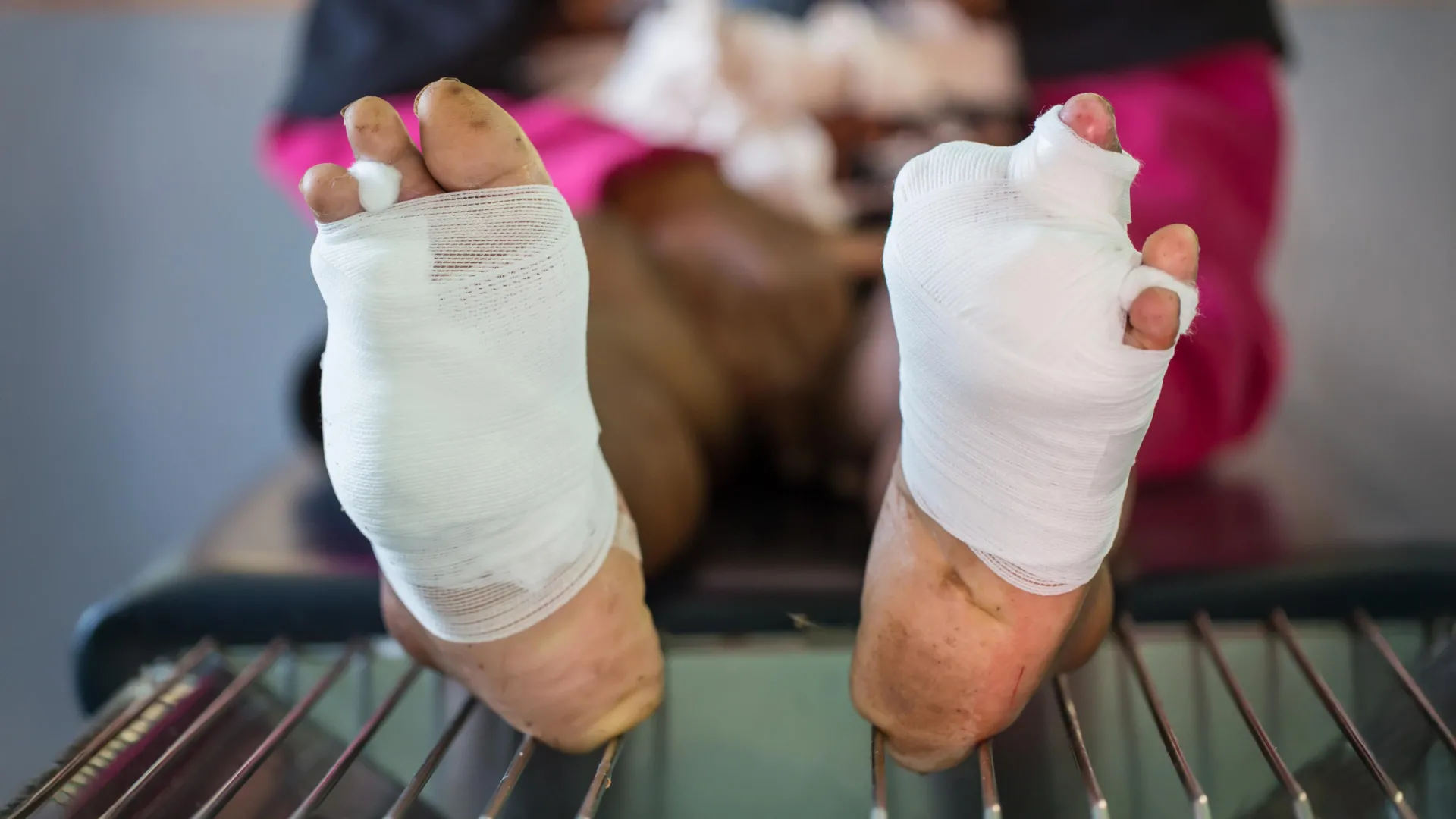
The escalating global prevalence of chronic conditions, particularly diabetes, coupled with an aging demographic, has precipitated a significant surge in the incidence of non-healing wounds. These persistent injuries represent a critical public health concern, substantially elevating the risks of severe infection, irreversible tissue degradation, and, in the most dire cases, amputation. In response to this mounting challenge, researchers at the University of California, Riverside (UCR) have engineered an innovative hydrogel formulation designed to deliver a continuous supply of oxygen directly to wound sites, thereby facilitating natural healing processes and potentially averting the need for limb removal.
Globally, an estimated 12 million individuals grapple with chronic wounds annually, with the United States accounting for approximately 4.5 million of these cases. A sobering statistic reveals that nearly one in every five patients suffering from such wounds ultimately undergoes amputation. These wounds are medically defined as those that fail to exhibit significant healing progress within a month of onset, often becoming trapped in a cycle of inflammation and tissue breakdown.
At the core of chronic wound pathogenesis lies a critical deficiency of oxygen within the damaged tissues, a condition known as hypoxia. This pervasive lack of oxygen impedes the body’s innate ability to initiate and progress through the multi-stage healing cascade. The intricate process of wound repair typically involves four distinct phases: inflammation, vascularization (the formation of new blood vessels), remodeling, and regeneration. A consistent and stable supply of oxygen is paramount at every juncture of this complex biological sequence. When oxygen, normally delivered by the bloodstream or available from the ambient air, cannot permeate the deeper layers of compromised tissue, the normal healing mechanisms are disrupted, prolonging the inflammatory response and creating an environment conducive to bacterial proliferation and further tissue destruction. This fundamental issue of oxygen deprivation is precisely what the UCR research team sought to address with their pioneering oxygen-generating gel. Their groundbreaking work in this area has been detailed in the esteemed scientific journal, Nature Communications Materials.
The developed hydrogel boasts a unique composition, characterized by its soft, pliable nature and its formulation from water and a choline-based liquid. This specific liquid imbues the gel with inherent antibacterial properties while ensuring it remains entirely nontoxic and biocompatible, making it safe for direct application to living tissues. The gel’s functionality is activated when connected to a low-power battery, akin to those used in hearing aids, transforming it into a miniature electrochemical system. Upon activation, this system meticulously electrolyzes water molecules present within the gel, leading to the sustained and controlled release of oxygen over an extended period.
A significant advantage of this hydrogel technology lies in its adaptability. Unlike conventional wound dressings that primarily deliver oxygen to the superficial surface of a wound, this flexible gel can conform to the irregular contours of any wound bed. Before it fully solidifies, it effectively infiltrates small crevices and uneven surfaces, areas where oxygen levels are typically at their lowest and, consequently, where the risk of infection is highest. This precise targeting ensures that oxygen reaches the most critical, underserved regions of the wound.
The sustained release of oxygen is a cornerstone of the gel’s efficacy. The formation of new blood vessels, a vital component of wound healing, is a protracted process that can span several weeks. Therefore, intermittent or short-lived bursts of oxygen are insufficient to promote robust and lasting tissue repair. The UCR gel, however, is engineered to maintain a consistent oxygen flow for up to a month, providing the continuous support necessary to re-establish a healthy healing trajectory for stalled or chronic wounds.
To rigorously assess the potential of this innovative technology, the research team conducted extensive trials using both diabetic and aged mice. These animal models were deliberately chosen because their wound healing characteristics closely mimic those observed in older human adults who develop chronic wounds. In the control group of untreated animals, the injuries exhibited a marked failure to close, leading to severe complications and, in several instances, proving fatal. In stark contrast, when the oxygen-producing hydrogel patch was applied and replaced on a weekly basis, the wounds in the treated mice demonstrated remarkable healing, closing completely within approximately 23 days, and the animals survived the experimental period. This compelling outcome underscores the gel’s significant therapeutic promise.
The researchers envision this hydrogel being developed into a practical therapeutic product, where periodic renewal of the gel might be necessary to maintain optimal oxygen delivery throughout the healing process. This practical consideration is crucial for its translation into clinical application, ensuring ongoing benefits for patients.
Beyond its direct oxygen supply, the hydrogel’s composition offers additional therapeutic benefits. Choline, a primary constituent of the gel, plays a crucial role in modulating the immune system and mitigating excessive inflammation. Chronic wounds are often characterized by an overabundance of reactive oxygen species (ROS) – highly unstable molecules that inflict cellular damage and perpetuate the inflammatory cycle. By providing a stable source of oxygen while simultaneously dampening this exaggerated inflammatory response, the gel effectively re-establishes a more conducive microenvironment for tissue regeneration. As one of the co-authors, Prince David Okoro, a doctoral candidate in bioengineering at UCR, noted, while existing bandages focus on fluid absorption or antimicrobial release, none directly address the fundamental problem of hypoxia. This new gel, he emphasizes, directly confronts this critical underlying issue.
The potential applications of this oxygen-generating technology extend far beyond the immediate realm of chronic wound care. A significant long-term objective for the Noshadi laboratory is to address the challenges associated with tissue engineering and organ transplantation. A major impediment to growing functional replacement tissues and organs is the inability to adequately supply oxygen and nutrients to thicker tissue constructs, leading to cell death. This hydrogel technology can serve as a crucial bridge, enabling the creation and sustained viability of larger, more complex tissues and organs for individuals in need.
It is important to acknowledge that the rising rates of chronic wounds are influenced by a complex interplay of factors that extend beyond what a single medical device can resolve. While aging and the increasing prevalence of diabetes are significant drivers, lifestyle choices also contribute considerably. According to UCR bioengineer Baishali Kanjilal, co-author of the study, increasingly sedentary lifestyles are contributing to a decline in immune system efficacy. While addressing the societal roots of these problems is a formidable task, this innovative hydrogel represents a tangible advancement, offering a pathway to reduce amputations, enhance the quality of life for affected individuals, and empower the body’s own healing mechanisms by providing them with essential support.
About the Author