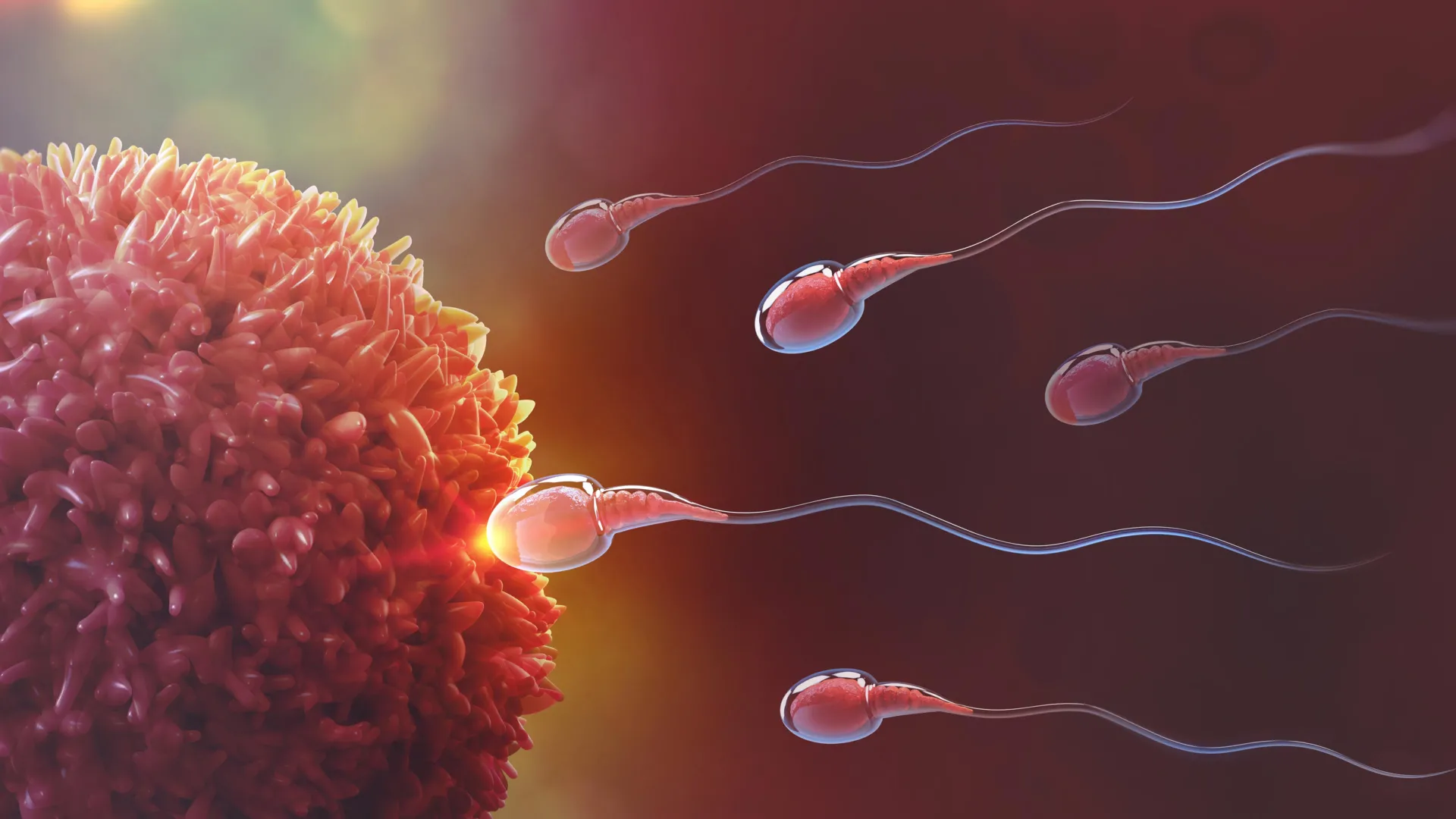
A significant stride has been made in comprehending the intricate metabolic transformations that empower sperm cells for their singular mission of fertilization, a discovery that holds profound implications for both reproductive health advancements and the long-sought development of male contraceptives. Scientists at Michigan State University, in collaboration with esteemed institutions including Memorial Sloan Kettering Cancer Center and the Van Andel Institute, have pinpointed a crucial molecular mechanism that acts as an "on-switch" for sperm motility and energy production precisely when it is most critical. This breakthrough illuminates a pathway toward more effective infertility treatments and offers a promising avenue for creating safe, non-hormonal male birth control.
The journey of a sperm cell is one of remarkable specialization, with its entire biological architecture geared towards generating the necessary energy to penetrate and fertilize an egg. Unlike most cells in the body that maintain a consistent metabolic rate, sperm undergo a dramatic and rapid shift from a quiescent, low-energy state to one of hyper-activity. This transformation is initiated upon entering the female reproductive tract, where they must rapidly acquire the vigor to swim with increased force and prepare their outer membranes for interaction with the egg. This sudden demand for energy necessitates a sophisticated metabolic reprogramming, a process that researchers are now beginning to unravel with unprecedented detail.
Dr. Melanie Balbach, an assistant professor in the Department of Biochemistry and Molecular Biology at Michigan State University and the senior author of the study, elucidated the unique nature of sperm metabolism. "Sperm metabolism is special since it’s only focused on generating more energy to achieve a single goal: fertilization," she stated, underscoring the focused purpose of these cells. She further elaborated that sperm provide an exceptional model for studying such rapid metabolic shifts, as many other cell types also exhibit this ability to transition from low to high energy states. Dr. Balbach joined MSU in 2023, bringing with her extensive expertise in sperm metabolism, building upon her foundational work in the field.
Previously, during her tenure at Weill Cornell Medicine, Dr. Balbach’s research had already hinted at the potential for non-hormonal male contraception. In prior investigations, she contributed to studies that demonstrated how inhibiting a key enzyme within sperm could lead to temporary infertility in male mice. This earlier discovery underscored the possibility of targeting sperm function without resorting to hormonal interventions, which often carry a burden of undesirable side effects. While the general understanding was that sperm require substantial energy reserves for fertilization, the precise biochemical choreography behind this surge in power remained elusive until the present research.
To decipher this complex process, Dr. Balbach’s team devised an innovative methodology to meticulously track the consumption of glucose, a fundamental sugar that sperm absorb from their environment to fuel their energetic endeavors. By essentially "tagging" glucose molecules and observing their metabolic journey within the sperm cell, the researchers were able to differentiate the biochemical profiles of inactive sperm from those that had become activated and prepared for their reproductive task. This detailed mapping allowed them to visualize the intricate pathways glucose navigates to ultimately power sperm motility.
Describing the experimental approach, Dr. Balbach employed an illustrative analogy: "You can think of this approach like painting the roof of a car bright pink and then following that car through traffic using a drone." This vivid comparison highlights the precision with which they could observe and trace the movement of specific metabolic components. The "pink-roofed cars," representing glucose metabolites, were observed to navigate distinct routes and engage in accelerated movement within the activated sperm. "In activated sperm, we saw this painted car moving much faster through traffic while preferring a distinct route and could even see what intersections the car tended to get stuck at," she explained, further emphasizing the detailed insights gained into the metabolic traffic patterns.
Leveraging state-of-the-art facilities, including the Mass Spectrometry and Metabolomics Core at MSU, the research team meticulously pieced together a comprehensive understanding of the multi-step, high-energy metabolic cascade essential for successful fertilization. This detailed analysis revealed that an enzyme known as aldolase plays a pivotal role in orchestrating the conversion of glucose into a usable form of cellular energy. The study also shed light on the fact that sperm do not solely rely on externally sourced glucose; they also draw upon internal energy reserves that they carry from their initial development.
Furthermore, the research identified that specific enzymes function as crucial regulatory checkpoints within these metabolic pathways. These "regulators" guide the flow of glucose, dictating how it is processed and ultimately influencing the efficiency with which energy is generated. Dr. Balbach indicated plans to further investigate the diverse fuel sources that sperm can utilize, including fructose, to meet their substantial energy demands. This ongoing line of inquiry is expected to have far-reaching implications across various facets of reproductive health.
The implications of this research extend significantly to the millions worldwide affected by infertility, a condition impacting approximately one in six individuals globally. Dr. Balbach posits that a deeper understanding of sperm metabolism could lead to the development of enhanced diagnostic tools for identifying the causes of infertility and to the refinement of existing assisted reproductive technologies, making them more successful.
Crucially, these findings offer a tangible pathway toward the creation of novel contraceptive strategies, particularly those that operate independently of hormones. The majority of current male contraceptive development efforts have historically focused on suppressing sperm production. However, this approach presents several limitations. It does not offer the possibility of immediate, on-demand infertility, and many hormonal methods are associated with a range of significant side effects, impacting mood, weight, and libido.
Dr. Balbach’s latest work proposes an alternative paradigm. By targeting the metabolic machinery of sperm, specifically the pathways involved in energy production, it may be possible to develop non-hormonal inhibitors that temporarily disable sperm function when desired, while minimizing any unintended systemic effects. "Better understanding the metabolism of glucose during sperm activation was an important first step, and now we’re aiming to understand how our findings translate to other species, like human sperm," Dr. Balbach noted, highlighting the next critical phase of research.
This targeted metabolic approach could offer a more appealing and safer alternative to existing options. "One option is to explore if one of our ‘traffic-control’ enzymes could be safely targeted as a nonhormonal male or female contraceptive," she suggested, opening up possibilities for both sexes. The potential impact on family planning and individual autonomy is substantial. "Right now, about 50% of all pregnancies are unplanned, and this would give men additional options and agency in their fertility," Dr. Balbach stated, emphasizing the potential for greater male involvement and control. "Likewise, it creates freedom for those using female birth control, which is hormone-based and highly prone to side effects." The prospect of offering effective, non-hormonal contraception for men represents a significant shift in reproductive healthcare options.
The research, published in the prestigious journal Proceedings of the National Academy of Sciences, received vital support from the National Institute of Child Health and Human Development, underscoring its significance and potential impact. "I’m excited to see what else we can find and how we can apply these discoveries," Dr. Balbach concluded, expressing optimism for the future translation of this fundamental scientific insight into tangible clinical benefits.
About the Author