A comprehensive genetic mapping initiative has pinpointed specific geographic pockets within Scotland and Ireland where individuals exhibit a significantly elevated likelihood of developing hereditary hemochromatosis, a metabolic disorder characterized by the body’s over-absorption and subsequent accumulation of iron. This condition, sometimes colloquially referred to as the "Celtic curse," can lead to severe organ damage over time if left unaddressed. The groundbreaking research, which marks the first systematic charting of genetic risk for this disorder across the United Kingdom and Ireland, reveals that populations with ancestral ties to the Outer Hebrides of Scotland and northwestern regions of Ireland carry the highest known genetic burden. While the disproportionate prevalence of hemochromatosis in these Celtic-heritage populations has long been acknowledged, the precise geographical distribution of this increased genetic susceptibility had remained largely unquantified until now.
The implications of these findings are substantial for public health strategy, offering a data-driven framework for health authorities to strategically deploy genetic screening programs. By focusing resources on identified high-risk areas, healthcare providers can proactively identify individuals carrying the genetic markers for hemochromatosis, enabling earlier diagnosis and intervention. This proactive approach is crucial, as timely treatment can effectively mitigate the development of severe, long-term health complications. The disorder typically progresses insidiously, with excess iron building up in vital organs such as the liver, heart, and pancreas over many years, often without overt symptoms. This insidious accumulation can ultimately result in conditions as serious as liver cirrhosis, liver cancer, diabetes, heart problems, and debilitating arthritis. Fortunately, the primary treatment for hemochromatosis is straightforward and highly effective: regular blood donation, a process known as phlebotomy, which safely lowers iron levels and prevents the cascade of organ damage.
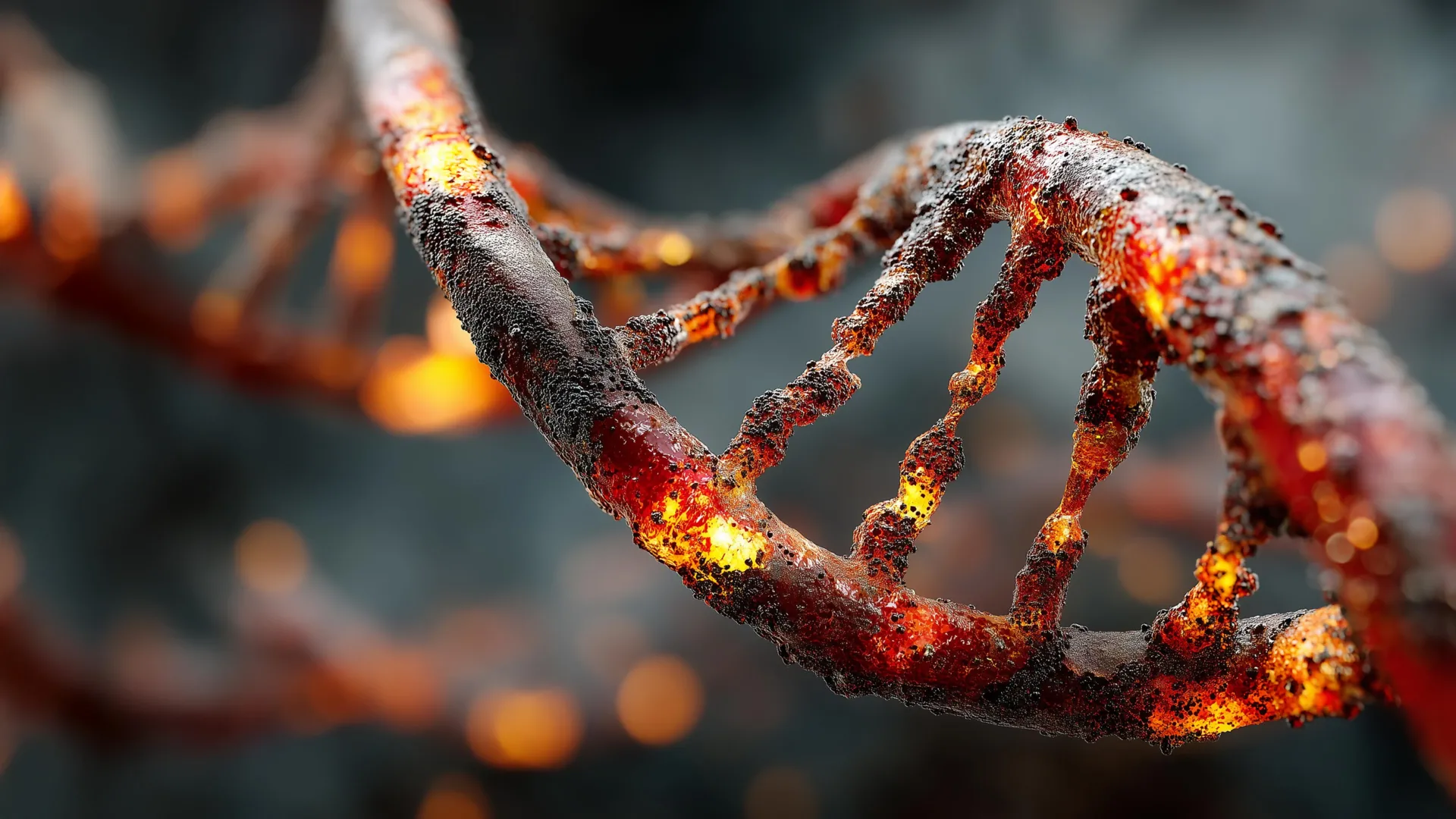
At the molecular level, hereditary hemochromatosis is driven by inherited alterations in an individual’s deoxyribonucleic acid (DNA), specifically referred to as genetic variants. Within the context of the UK and Ireland, the most prevalent and significant contributor to this condition is a particular genetic variant designated as C282Y. To conduct this comprehensive mapping, researchers at the esteemed University of Edinburgh undertook an extensive analysis of genetic data sourced from over 400,000 participants involved in two major longitudinal studies: the UK BioBank and Viking Genes. Their meticulous examination involved quantifying the frequency of the C282Y variant across 29 distinct geographical regions spanning the British Isles and the island of Ireland.
The analysis unequivocally demonstrated the most concentrated prevalence of the C282Y gene variant among individuals whose lineage can be traced to northwestern Ireland, where an estimated one in every 54 individuals is a carrier. Following closely behind, the Outer Hebrides of Scotland showed a carrier rate of approximately one in 62, with Northern Ireland exhibiting a rate of one in 71. Beyond these most pronounced hotspots, mainland Scotland also registered elevated risk levels, with particular concentrations observed in the urban center of Glasgow and the southwestern regions of the country. In these areas of mainland Scotland, roughly one in 117 individuals carries the C282Y variant, a finding that substantively underpins the historical association of the condition with Celtic populations. Given the demonstrably high cumulative genetic risk within these identified geographical clusters, researchers are advocating for targeted screening initiatives in these locales, positing that such efforts would yield the highest yield in terms of identifying individuals predisposed to hemochromatosis.
Further insights into the practical manifestation of this genetic predisposition were gleaned from an examination of National Health Service (NHS) England diagnostic records. This review uncovered more than 70,000 officially diagnosed instances of hemochromatosis. Notably, individuals identifying as White Irish were found to be nearly four times more likely to receive a hemochromatosis diagnosis compared to their White British counterparts. Delving deeper into diagnostic patterns within England, researchers observed a correlation between geographic location and diagnosis rates that largely mirrored the distribution of genetic risk. For instance, within the English context, residents of Liverpool were found to be eleven times more likely to have a hemochromatosis diagnosis than individuals residing in Kent. The researchers hypothesize that this disparity in Liverpool may be a reflection of historical migration patterns, given that in the mid-19th century, over one-fifth of Liverpool’s population comprised individuals of Irish descent.
However, the diagnostic data also highlighted certain areas where the number of diagnosed cases fell short of expectations based on their genetic profiles. Regions such as Birmingham, Cumbria, Northumberland, and Durham reported fewer cases than their established genetic risk might suggest. This discrepancy has led to speculation that these areas may harbor a significant number of undiagnosed hemochromatosis cases and could therefore benefit from an expansion of screening efforts. It is important to note that comparable NHS prevalence data for Scotland, Wales, and Northern Ireland were not readily available, precluding their inclusion in this specific facet of the diagnostic analysis.
This pivotal study was generously funded by the charity Haemochromatosis-UK and was conducted in close collaboration with RCSI University of Medicine and Health Sciences. The full findings of this significant research were formally published in the peer-reviewed scientific journal, Nature Communications.
In response to these critical findings, there are growing calls for the implementation of widespread genetic screening programs within the identified high-risk communities. Professor Jim Flett Wilson, who holds the Chair of Human Genetics at the University of Edinburgh and was a lead investigator on the study, emphasized the profound impact of untreated hemochromatosis. He stated, "If left untreated, the iron-overload disease hemochromatosis can lead to liver cancer, arthritis and other poor outcomes. We have shown that the risk in the Hebrides and Northern Ireland is much higher than previously thought, with about one in every 60 people at risk, about half of whom will develop the disease. Early detection prevents most of the adverse consequences and a simple treatment – giving blood – is available. The time has come to plan for community-wide genetic screening in these high-risk areas, to identify as many people as possible whose genes mean they are at high risk of this preventable illness."
Jonathan Jelley MBE JP, the Chief Executive Officer of Haemochromatosis UK, echoed Professor Wilson’s sentiments, underscoring the primary role of the C282Y variant. "Although there are other forms and genotypes that can lead to iron overload, available research indicates C282Y presents as the greatest risk. This hugely important work has the potential to lead to greater targeted awareness, increased diagnosis and better treatment pathways for thousands of people affected by genetic hemochromatosis," Jelley remarked. He further elaborated on the charity’s proactive measures, stating, "As a charity we have already begun work on targeting and prioritizing hotspot areas of the UK for support including with our National Helpline and clinician education. Using this study we will continue to campaign for better allocation of public resources to this preventable condition that is all too often overlooked."
The urgency for action is also being championed by political figures. Torcuil Crichton, the Labour Member of Parliament for Na h-Eileanan an Iar (the Western Isles), who himself has hemochromatosis, has become a vocal advocate for screening in his constituency. "This research writes the case for community-wide screening in the Western Isles, Northern Ireland, and other hemochromatosis hotspots. I have previously raised this with Ministers in the House of Commons and this new evidence ought to be enough to persuade the UK National Screening Committee to review its position and approve a pilot screening program. The Western Isles offers a contained and distinct population sample to start from," Crichton asserted. He concluded by highlighting the personal benefits of early detection, stating, "Early identification, which I was lucky to have, means a whole range of bad health outcomes can be avoided and I’ll be urging Ministers and the Screening Committee to reconsider their stance." The research provides compelling evidence that a shift towards proactive, community-level screening in these genetically predisposed populations could significantly reduce the burden of hemochromatosis and its associated health crises.
About the Author