The retail grocery sector is undergoing a profound transformation, driven by persistent inflationary pressures and a heightened consumer focus on value without compromising quality. In this dynamic environment, store brands, often referred to as private labels or own brands, are emerging not merely as budget alternatives but as central pillars of major retailers’ commercial strategies. Projections indicate that this segment reached an impressive $282.8 billion in sales by 2025, consistently outperforming traditional national brands across the United States. This significant growth underscores a fundamental shift in consumer behavior and retail investment, with leading chains dedicating substantial resources to expand and enhance their proprietary product lines throughout 2026 and beyond.
According to Peggy Davies, President of the Private Label Manufacturers Association, "Store brands are outperforming national brands across the U.S., growing faster, expanding share, and delivering record-setting sales results." This sentiment encapsulates a broader industry trend where retailers are leveraging their direct relationship with consumers to cultivate trust and loyalty through distinctive, high-quality, and cost-effective offerings. The evolution of private labels from basic, no-frills generics to sophisticated, often premium-grade products has profoundly reshaped consumer perceptions, making them a preferred choice for a diverse range of shoppers. This strategic pivot allows retailers greater control over their supply chains, pricing structures, and overall brand identity, providing a critical competitive edge in a fiercely contested market.
Several factors contribute to the accelerated ascendancy of retailer own brands. Economically, consumers are increasingly discerning about where their money goes, seeking ways to stretch household budgets in the face of rising living costs. Private labels typically offer comparable or superior quality to national brands at a lower price point, presenting an undeniable value proposition. Furthermore, retailers have invested heavily in product development, quality assurance, and innovative packaging, effectively shedding the "generic" stigma once associated with store brands. Many now feature premium ingredients, sustainable sourcing, or specialized dietary options, directly addressing modern consumer demands for health, wellness, and ethical consumption. For the retailers themselves, private labels offer significantly higher profit margins compared to national brands, whose distribution often involves complex agreements and marketing costs. This financial incentive fuels further investment in research, development, and marketing for their own lines, creating a virtuous cycle of growth and improvement.
This strategic emphasis on private labels is evident across some of the nation’s largest grocery and big-box retailers, each adopting unique approaches to expand their portfolios and capture a larger share of consumer spending.
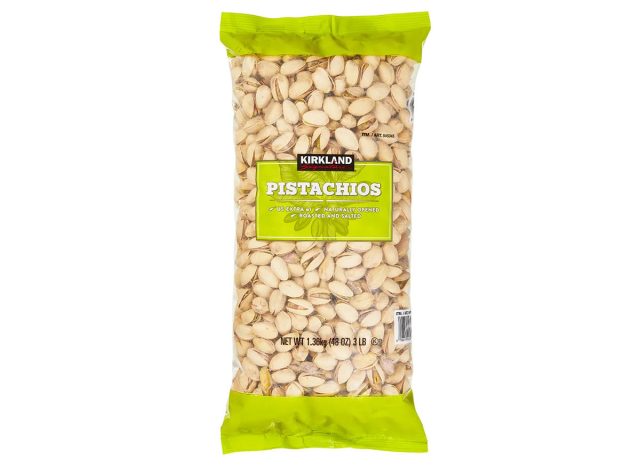
Costco’s Kirkland Signature: A Gold Standard in Own-Brand Excellence
Costco Wholesale Corporation’s Kirkland Signature brand stands as a testament to the potential of private labels, representing approximately one-third of the warehouse giant’s total sales. This formidable success is no accident but the result of relentless innovation and a steadfast commitment to quality and value. In the most recent quarter alone, Costco introduced over 30 new Kirkland Signature items, demonstrating an aggressive expansion strategy. The brand’s reach extends far beyond traditional groceries, encompassing a wide array of products that range from apparel and electronics to household goods and health supplements.
Gary Millerchip, Costco’s Chief Financial Officer, highlighted the brand’s strategic importance in navigating global economic complexities. He noted, "We continue to work closely with our suppliers to find ways to mitigate the impact of tariffs. This includes leaning into KS items and increasing domestically sourced goods." This approach not only helps Costco manage costs but also strengthens its supply chain resilience. The company is actively diversifying its Kirkland Signature offerings, with an increased focus on categories such as health and beauty products, live goods (plants, flowers), tires, and mattresses. This broad diversification ensures that the Kirkland Signature brand remains a comprehensive solution for members seeking premium quality across various aspects of their lives, all delivered with the inherent value proposition that defines Costco.
Target’s Multi-Brand Strategy: Good & Gather, Up & Up, and Cat & Jack
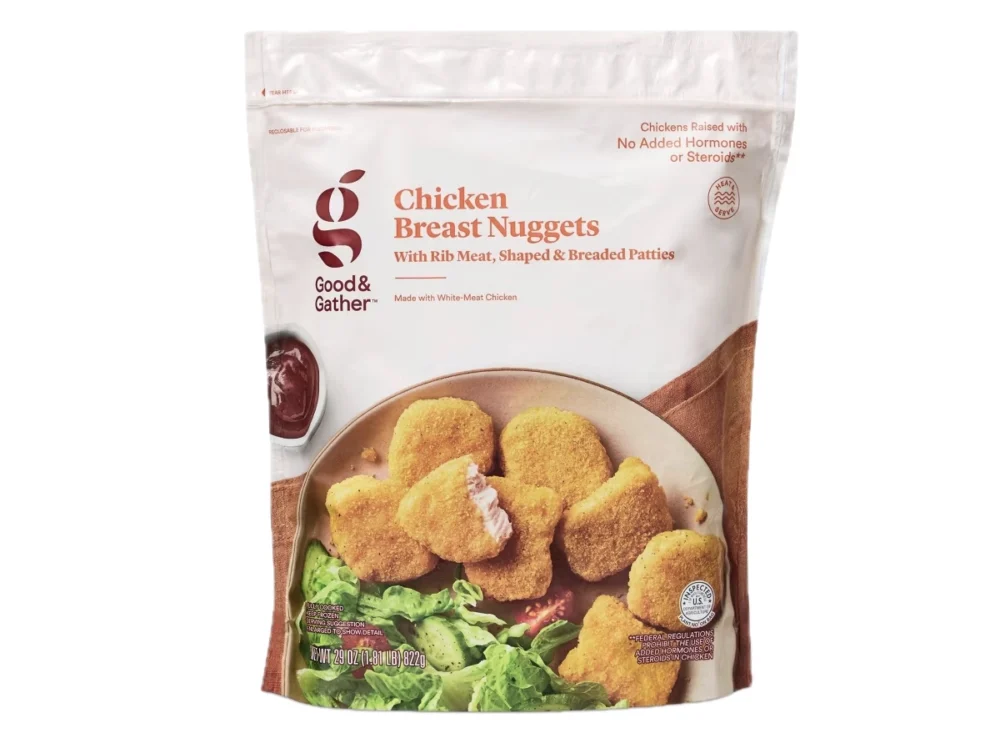
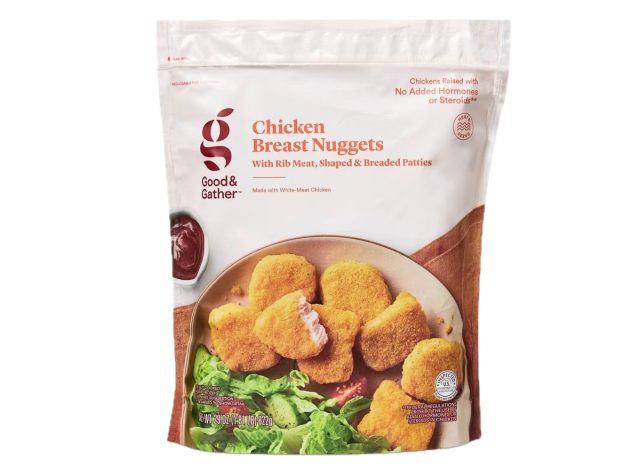
Target Corporation has successfully cultivated a robust ecosystem of owned brands, generating an impressive $30 billion in annual sales across its entire portfolio. This diversified approach allows Target to cater to a broad spectrum of consumer needs and preferences, cementing its position as a go-to destination for everyday essentials and aspirational lifestyle products. Among its most prominent private labels, Good & Gather has become a household name for food and beverage items, celebrated for its fresh ingredients, diverse offerings, and accessible price points. The brand spans numerous categories, from dairy and produce to prepared meals and snacks, consistently earning high marks from consumers for its taste and quality.
Another cornerstone of Target’s owned brand strategy is up & up, which has served as a reliable choice for everyday essentials for over 15 years. From household cleaning supplies and paper products to health and beauty staples, up & up is lauded by guests for its extensive selection, dependable quality, and competitive pricing. Beyond groceries and household goods, Target’s Cat & Jack brand has revolutionized children’s apparel, offering stylish, durable, and affordable clothing options that resonate strongly with parents. This comprehensive multi-brand strategy showcases Target’s ability to create distinct brand identities that resonate deeply with its customer base, fostering loyalty and driving repeat business across various departments within its stores.
Sam’s Club Member’s Mark: Elevating Standards for Quality and Purity
Sam’s Club, the membership-only warehouse club owned by Walmart, has positioned its Member’s Mark private label as a beacon of quality and thoughtful product development. The brand is not only expanding its product lines but is also undergoing a significant reformulation initiative, setting new industry benchmarks for ingredient transparency and purity. Sam’s Club proudly announced that its entire Member’s Mark food and beverage portfolio has achieved a "Made Without" milestone, successfully eliminating over 40 unwanted ingredients and certified synthetic colors. This commitment reflects a growing consumer demand for cleaner labels and healthier food options, without compromising on taste or the brand’s core value proposition.
The club’s ambition extends beyond the food aisle, with plans to broaden these stringent ingredient standards to other product categories in 2026. This includes extending the "Made Without" philosophy to cosmetics, health and wellness items, and laundry products, among others. This holistic approach signals a deep commitment to member well-being and positions Member’s Mark as a trusted brand across various consumer touchpoints. By actively listening to member feedback and proactively reformulating its products, Sam’s Club is reinforcing the idea that private labels can lead the charge in offering superior, more conscious choices to the market.
Walmart’s Bettergoods: Rapid Ascent in the Value-Conscious Market
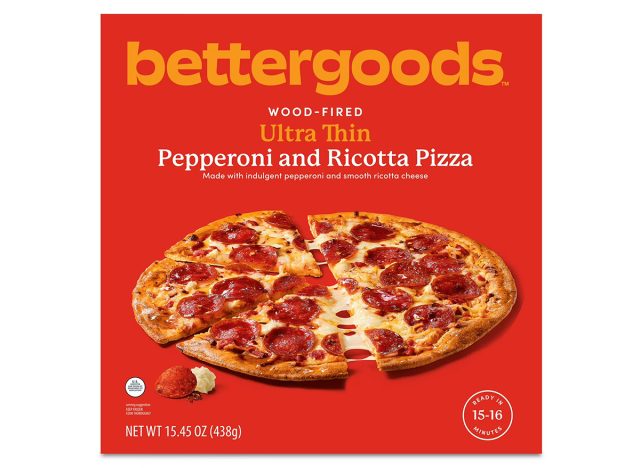
Walmart, the world’s largest retailer, has aggressively entered the modern private label arena with its Bettergoods brand, launched in 2024. Despite its relatively recent introduction, Bettergoods has quickly become a significant player, resonating strongly with shoppers who prioritize both quality and affordability. The brand has rapidly grown to encompass approximately 400 items, generating nearly $500 million in sales in a remarkably short period. This rapid market penetration and financial success highlight Walmart’s ability to identify and address burgeoning consumer needs effectively.
John David Rainey, Executive Vice President and CFO of Walmart, underscored the brand’s success, stating, "What’s exciting to me about this is 40% of the customers that buy a Bettergoods item are coming back as repeat customers. I think it really speaks to the quality of the overall assortment." This high rate of customer retention is a powerful indicator of consumer satisfaction and trust in the Bettergoods line. The brand’s focus on innovative, accessible, and high-quality food products, often mirroring popular gourmet or specialty items, has allowed Walmart to attract and retain a diverse customer base, solidifying Bettergoods as a key driver of growth and customer loyalty for the retail giant.
Aldi’s Specially Selected: A Core Strategy and Rebranding Initiative
Aldi, a discount grocery chain known for its lean operating model and exceptional value, has built its entire business strategy around private labels. More than 90% of Aldi’s inventory consists of its own brands, a model that allows the company to offer significantly lower prices than competitors while maintaining impressive quality. This deep reliance on private labels has cultivated a loyal customer base that explicitly seeks out Aldi’s proprietary products.
In a move to further consolidate its brand identity and enhance customer recognition, Aldi is undertaking a comprehensive rebranding initiative. The majority of its packaging will now feature the "Aldi" name prominently, reinforcing the direct association between the store and its products. This strategy acknowledges and formalizes what customers already instinctively do: refer to the store’s offerings as "ALDI brands." As Scott Patton, Aldi’s Chief Commercial Officer, explained, "As we worked on this refresh for the past few years, we drew so much inspiration from our fans. Our customers already call our private labels ‘ALDI brands,’ and we’re excited to officially recognize them with a name they can see and trust." While most products will bear the "Aldi" name, certain premium or specialized lines, such as Specially Selected, Simply Nature, and Clancy’s, will retain their distinct branding, allowing Aldi to maintain differentiation within its extensive private label portfolio.
The Enduring Impact on the Retail Landscape
The widespread expansion and strategic refinement of private label offerings by these major grocery chains represent more than just a passing trend; they signify a fundamental and enduring shift in the retail landscape. For consumers, this means an ever-growing array of high-quality, value-driven products, enhancing choice and making grocery shopping more affordable without sacrificing taste or health considerations. For national brands, the increased competition from sophisticated store brands necessitates continuous innovation, sharper pricing strategies, and a renewed focus on unique selling propositions to maintain their market presence.
Looking ahead, the trajectory of private labels is set for continued growth. Retailers will likely deepen their investment in understanding consumer preferences, leveraging data analytics to develop highly targeted and innovative products. The focus will remain on enhancing quality, ensuring ethical sourcing, and expanding into new, high-growth categories. As economic pressures persist and consumer trust in retailer brands strengthens, private labels are poised to solidify their position as indispensable components of the modern grocery experience, shaping how people shop and what they choose to buy for years to come.
About the Author