Navigating the Future of Food: FDA Implements Landmark Regulatory Shifts for Enhanced Consumer Safety in 2026.
The United States Food and Drug Administration (FDA) is poised to usher in a new era of food safety and transparency, with significant regulatory changes slated for implementation throughout 2026. These initiatives represent a concerted effort by the agency to modernize existing guidelines, address long-standing concerns regarding food additives, and enhance consumer confidence in the integrity of the nation’s food supply. Building upon previous reforms in 2025, which included updates to infant formula standards and the removal of certain artificial food dyes, the FDA signals a continued commitment to proactive oversight and a science-first approach to public health. This strategic pivot aims to provide clearer information for consumers, foster innovation within the food industry, and ultimately, safeguard the well-being of Americans.
One of the most anticipated shifts involves a revised approach to labeling claims regarding "no artificial colors." For years, the distinction between synthetic, petroleum-derived color additives and those sourced from natural origins has created confusion among both manufacturers and consumers. Under the new FDA policy effective in 2026, food companies that exclude petroleum-based colorants from their products will now be permitted to explicitly state "no artificial colors" on their packaging. This change seeks to align labeling practices more closely with consumer perceptions and scientific understanding. Previously, some naturally derived colorants were still classified under broader "artificial" categories, hindering companies from promoting their use of plant-based or mineral-based alternatives.
To further facilitate this transition, the FDA has also broadened the palette of approved natural color additives. Notably, "beetroot red," a vibrant pigment extracted from beetroots, has received official approval for use in a wider array of food products. Concurrently, the agency has expanded the permissible applications for spirulina extract, a blue-green pigment derived from algae, which was already an existing, naturally sourced color additive. These approvals are not merely administrative updates; they represent a strategic encouragement for the food industry to move away from synthetic dyes, which have faced increasing scrutiny over potential health implications, particularly in children. Dr. Marty Makary, the FDA Commissioner, articulated the rationale behind this adjustment, noting that classifying naturally derived colors as "artificial" often baffled consumers and inadvertently discouraged companies from exploring healthier, plant-based coloring options. By removing this regulatory impediment, the FDA expects to see a greater adoption of natural colorants, making it simpler for manufacturers to develop and market products that meet the growing consumer demand for clean labels and transparent ingredient lists. This policy fosters a marketplace where the choice of natural over synthetic is not just a consumer preference but an incentivized industry standard.
Beyond colorants, the FDA is initiating a critical re-evaluation of butylated hydroxyanisole (BHA), a chemical preservative widely used across various food products. This comprehensive assessment, scheduled to commence in 2026, will scrutinize whether BHA remains safe under its current conditions of use within the food supply. BHA functions primarily as an antioxidant, preventing fats and oils from becoming rancid and extending the shelf life of numerous packaged goods, including cereals, snack foods, and chewing gum. Its prevalence in the food industry has been a consistent point of discussion among public health advocates and scientists for decades.
A key driver for this re-assessment is the long-standing classification of BHA by the National Toxicology Program (NTP) as "reasonably anticipated to be a human carcinogen." This designation, based on evidence from animal studies, has fueled persistent concerns about BHA’s potential long-term effects on human health. Despite these concerns, BHA has largely remained in the food supply under its "Generally Recognized As Safe" (GRAS) status, a designation that has itself been subject to criticism for its historical implementation. The upcoming FDA review signifies a departure from the historical reliance on past evaluations, embracing instead a modern, rigorous, and evidence-based approach. Secretary Robert F. Kennedy, Jr. of Health and Human Services underscored the significance of this review, stating that it marks the end of a "trust us" era in food safety. His comments reflect a broader governmental commitment to subjecting food chemicals to today’s "gold-standard science," prioritizing public health over historical inertia. Should the comprehensive assessment reveal that BHA does not meet contemporary safety thresholds for its current uses, the FDA has indicated a readiness to remove it from the food supply. This proactive stance is particularly focused on areas where children may experience the highest levels of exposure, demonstrating a clear prioritization of vulnerable populations in the ongoing effort to "clean up food chemicals." The outcome of this assessment could set a precedent for future reviews of other long-used food additives.
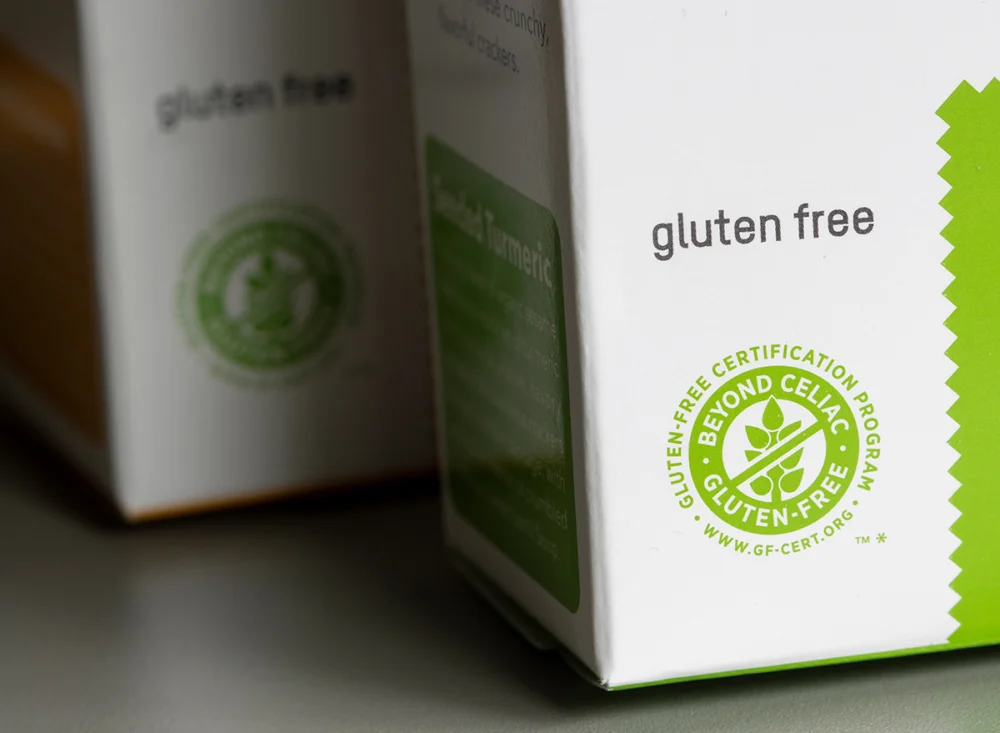
Finally, 2026 will also see crucial improvements in gluten ingredient disclosure, a vital area for the millions of Americans managing celiac disease or non-celiac gluten sensitivity. For these individuals, accidental gluten exposure can lead to severe gastrointestinal distress, nutrient deficiencies, and long-term health complications. While the FDA established a "gluten-free" labeling standard (less than 20 parts per million of gluten) over a decade ago, challenges persist, particularly concerning ingredients derived from gluten-containing grains like rye, barley, and oats, as well as the risk of cross-contamination.
The FDA’s upcoming initiatives aim to tighten existing regulations and enhance the clarity and accuracy of food labeling related to gluten. This involves addressing specific ambiguities surrounding ingredients that may originate from gluten-containing sources but are processed to remove gluten, as well as clarifying rules for products containing oats. Oats, while naturally gluten-free, are frequently contaminated with wheat, barley, or rye during cultivation, harvesting, or processing, making "certified gluten-free" oats a necessity for those with celiac disease. The revised guidelines are expected to mandate more explicit disclosures for such ingredients, ensuring that consumers can make informed and safe dietary choices without having to "tiptoe around food," as Commissioner Makary noted. He emphasized the critical importance of soliciting input from all stakeholders, including patients, advocacy groups, and the food industry, to develop policies that are both effective in protecting Americans and supportive of healthier food options. This collaborative approach underscores the complexity of food allergen management and the need for robust, clear regulations that leave no room for guesswork. By enhancing the transparency of gluten-related information on food labels, the FDA seeks to significantly improve the quality of life and safety for individuals with gluten-related disorders, reducing their risk of inadvertent exposure and promoting greater confidence in the foods they consume.
Collectively, these impending regulatory changes in 2026 signal a robust and evolving commitment from the FDA to ensure the safety, integrity, and transparency of the American food supply. From promoting natural colorants to rigorously scrutinizing long-used preservatives and clarifying allergen disclosures, the agency is embarking on a comprehensive modernization effort designed to meet contemporary scientific standards and address the ever-growing expectations of consumers for healthier, more trustworthy food options.
Related posts:

Related News