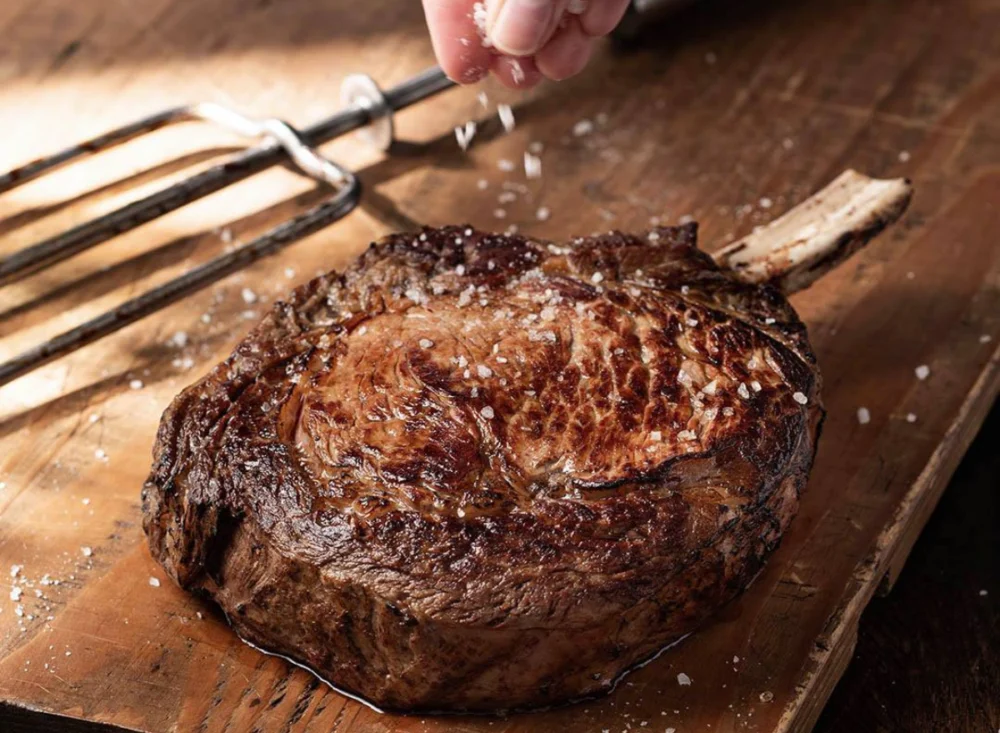
The pursuit of an impeccably prepared steak often culminates in a single, critical attribute: the crust. This highly desired exterior, a product of the Maillard reaction, transforms the surface of a ribeye into a symphony of savory, complex flavors and textures that perfectly complement the tender, juicy interior. While many home cooks and independent steakhouses strive for this culinary achievement, a select group of national restaurant chains has consistently demonstrated an exceptional ability to deliver a superior, flavorful sear on their ribeye offerings across numerous locations. This consistency is a testament to standardized cooking protocols, quality ingredient sourcing, and often, specialized grilling equipment and highly trained culinary teams. Understanding the nuances behind these preparations reveals why certain establishments stand out in the crowded steakhouse landscape, particularly when it comes to the revered ribeye.
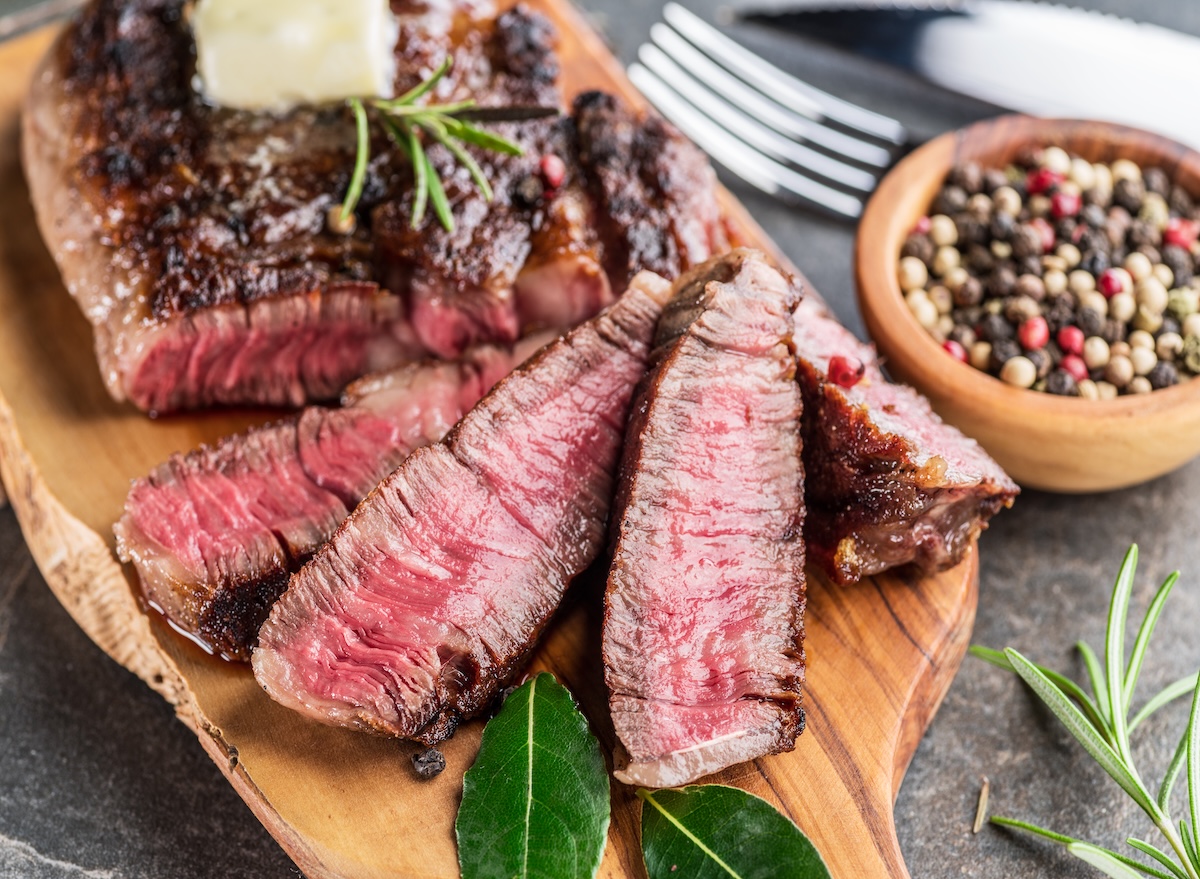
The ribeye cut itself is inherently predisposed to developing an outstanding crust due to its generous marbling – intramuscular fat that renders and crisps during high-heat cooking. This fat not only contributes to the steak’s succulence and rich flavor but also aids in the formation of that coveted dark, savory outer layer. The Maillard reaction, a complex chemical process between amino acids and reducing sugars, is responsible for the browning and development of hundreds of new flavor compounds, giving the steak its distinctive aroma and taste profile. Achieving this reaction uniformly and deeply requires specific conditions: high, sustained heat, a relatively dry surface, and precise timing. For multi-location dining establishments, replicating these conditions across dozens or hundreds of kitchens presents a significant operational challenge, yet several chains have elevated their game, making a perfectly crusted ribeye a signature offering.
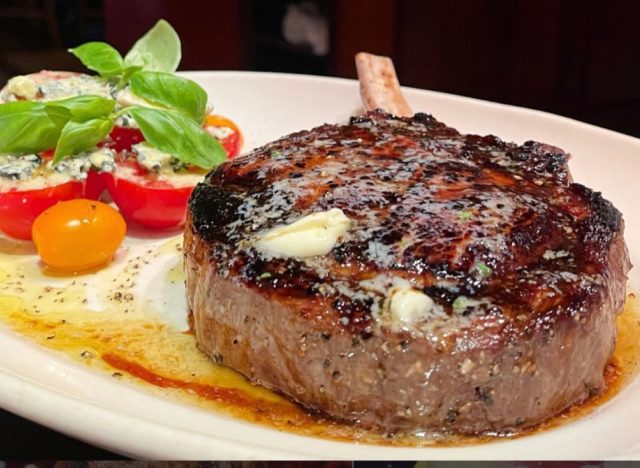
Among the institutions celebrated for their mastery of the ribeye crust are Hillstone and its sister concept, Houston’s. These establishments have cultivated a reputation for culinary excellence, with their Hawaiian Ribeye often cited as a standout. What sets this particular dish apart is not merely the grilling technique, but also an extensive preparatory phase. The steak undergoes a meticulous marination process, typically lasting between 48 and 72 hours. This blend, featuring pineapple juice, soy sauce, ginger, and sugar, plays a crucial role beyond imparting flavor. Pineapple juice contains bromelain, an enzyme that acts as a natural tenderizer, subtly breaking down muscle fibers to enhance the steak’s mouthfeel. Soy sauce contributes umami depth, while ginger introduces a aromatic warmth. Crucially, the sugar in the marinade caramelizes rapidly under the intense heat of the grill, accelerating the Maillard reaction and forming a dark, glossy, and intensely flavorful char that is characteristic of their ribeye. This thoughtful combination of ingredients and precise grilling over high temperatures ensures a deeply developed crust, making each bite a harmonious blend of sweet, savory, and smoky notes.
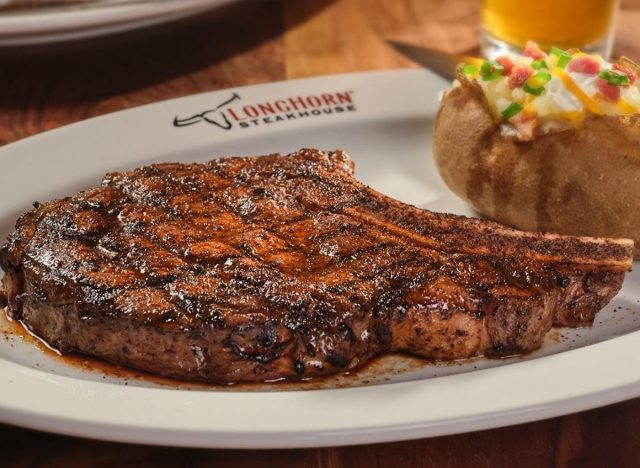
LongHorn Steakhouse also garners considerable acclaim for its execution of the crusted ribeye, particularly with its signature Outlaw Ribeye. This substantial 20-ounce, bone-in cut is specifically designed to deliver a robust flavor experience. The bone-in aspect itself contributes to the steak’s juiciness and flavor, as the bone marrow slowly releases its richness into the surrounding meat during cooking. LongHorn’s approach emphasizes a distinctive "smoky Char Seasoning," a proprietary blend of spices that adheres to the surface of the meat, enhancing both its flavor and its ability to form a crust. The steak is then fire-grilled by what the restaurant refers to as "Grill Masters." This term underscores a commitment to specialized training and consistent technique across their culinary teams, ensuring that the high heat necessary for a pronounced char is expertly applied. The combination of a well-marbled cut, a flavorful seasoning blend, and direct flame grilling results in an exterior that is deeply browned, almost blackened in places, delivering a satisfying crunch and intense smoky notes that are highly appreciated by patrons who seek a steak with significant character.
Stepping into the realm of upscale chain dining, Mastro’s Steakhouse distinguishes itself with a premium selection of ribeyes, all renowned for their exceptional crusts. The establishment offers various bone-in ribeye options, including a 22-ounce standard bone-in, a 23-ounce dry-aged bone-in, and the colossal 33-ounce "Chef’s Cut" Ribeye Chop. The presence of dry-aged options immediately signals a commitment to a higher tier of steak preparation. Dry aging is a time-intensive process where beef is stored in a controlled environment for several weeks, allowing natural enzymes to break down muscle tissue, resulting in extraordinary tenderness and a concentrated, nutty, almost cheesy flavor. This process also reduces moisture on the surface of the meat, which significantly aids in achieving a more intense and uniform crust when seared at high temperatures. Mastro’s preparation methods, which often involve broilers reaching extremely high temperatures, ensure that these premium cuts develop a remarkably crisp and flavorful exterior while maintaining an incredibly tender, almost "melt-in-your-mouth" interior. The "Chef’s Cut" further emphasizes the restaurant’s dedication to providing a luxurious, intensely flavored steak experience, where the substantial size allows for an even greater surface area to develop that prized, dark crust.
Del Frisco’s Double Eagle Steakhouse represents another pinnacle of high-end chain steakhouses, consistently delivering a bone-in prime ribeye that showcases an exemplary crust. Their 22-ounce Bone-In Prime Ribeye is a signature offering, distinguished by its USDA Prime grading. This designation is the highest quality grade for beef in the United States, signifying abundant marbling that translates to superior tenderness, juiciness, and flavor. For Del Frisco’s, the pursuit of a "perfectly crusted finish" is paramount. Their chefs employ high-heat cooking methods, often involving intense broilers or specialized grills, to rapidly caramelize the exterior of these prime cuts. The inherent richness and fat content of USDA Prime beef interact synergistically with these cooking temperatures, creating a robust, flavorful sear that encapsulates the steak’s buttery texture and profound beefy taste. The precise control over cooking temperatures and timing ensures that the crust achieves a dark, inviting color and a satisfying textural contrast against the tender, medium-rare interior, making it a highly sought-after dish for discerning steak enthusiasts.
Finally, Fogo de Chão, a renowned Brazilian churrascaria, offers a unique interpretation of the crusted ribeye with its Beef Ancho Bone-in Ribeye, often available with a dry-aged option. Unlike traditional steakhouses that serve individual portions, Fogo de Chão’s format involves gaucho chefs continuously carving various cuts of meat tableside. However, their à la carte ribeye offerings, particularly the Ancho, highlight a specific cooking philosophy. The restaurant emphasizes a "unique cooking technique" for this cut, which typically involves grilling over direct, open flames. This method is crucial for developing the intense profile of the ribeye. The radiant heat from the open flame not only cooks the meat but also creates a deep, smoky char on the exterior. For dry-aged versions, the reduced moisture on the surface allows for an even more aggressive and satisfying crust formation. The high, consistent heat effectively "breaks down the marbling" on the surface, rendering the fat and integrating it into the crust, resulting in a rich, deeply flavored exterior that provides a distinct textural and taste experience. This technique, rooted in traditional Brazilian grilling, ensures that their ribeye delivers an unforgettable texture and a robust, smoky flavor profile that distinguishes it from other chain steakhouse offerings.
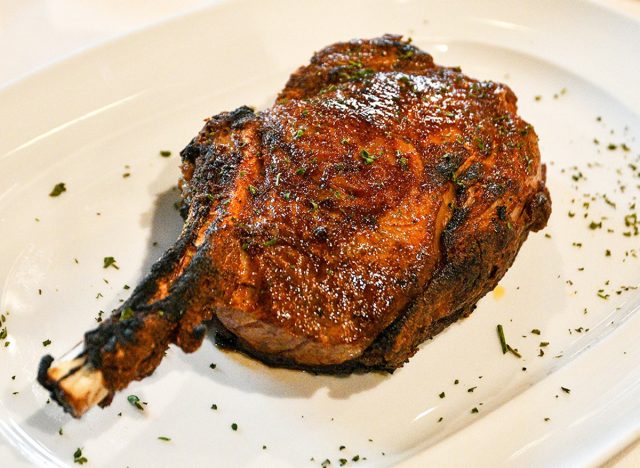
In conclusion, the art of achieving a superior crust on a ribeye steak is a complex interplay of cut quality, preparation, seasoning, and precise cooking techniques. While this mastery is often associated with independent, high-end establishments, several national chain restaurants have consistently proven their ability to deliver this coveted attribute. From the marinated and caramelized exterior of Hillstone’s Hawaiian Ribeye to the smoky char of LongHorn’s Outlaw, the luxurious dry-aged crusts of Mastro’s, the prime seared perfection at Del Frisco’s, and the open-flame intensity of Fogo de Chão’s Beef Ancho, these establishments offer compelling reasons for steak enthusiasts to explore their menus. Their success lies in understanding the science of searing and applying meticulous culinary practices across their extensive networks, ensuring that a deeply flavorful and texturally satisfying ribeye crust is accessible to a broad audience nationwide.
About the Author