Unlocking Sperm’s Energetic Drive: A Foundational Discovery for Next-Generation Contraception and Fertility Treatments
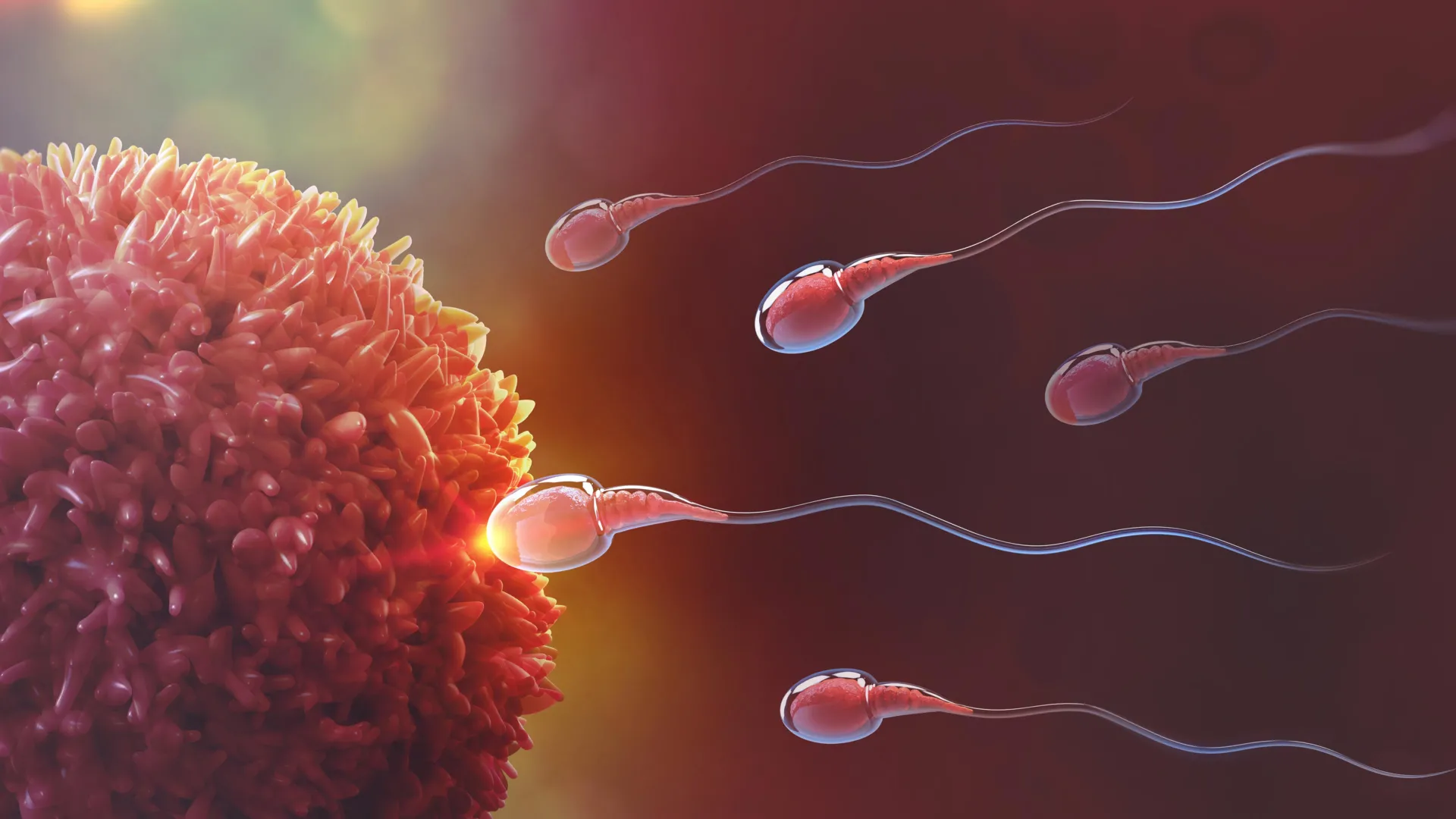
A significant stride in reproductive science has been achieved by researchers at Michigan State University, who have unveiled a critical molecular mechanism governing sperm energy production. This groundbreaking work holds immense promise for revolutionizing both male contraception and the treatment of infertility, addressing two pervasive global health challenges. The team’s findings illuminate how sperm precisely manage their energy resources, a revelation that could pave the way for novel, non-hormonal interventions designed to either temporarily inhibit sperm function or enhance their fertilizing capacity.
Globally, reproductive health remains a complex landscape, marked by a high incidence of unplanned pregnancies and the widespread struggle with infertility. Unplanned pregnancies account for approximately half of all conceptions worldwide, often placing a disproportionate burden on women, who currently bear the primary responsibility for contraception, frequently through hormone-based methods associated with various side effects. Concurrently, infertility impacts an estimated one in six individuals globally, with male factor infertility contributing significantly to these statistics, yet diagnostic and therapeutic options remain limited. The pursuit of safe, effective, and reversible male contraception, alongside more precise interventions for male infertility, represents a critical unmet need in modern medicine.
At the heart of this recent discovery lies a deeper understanding of sperm metabolism. Unlike most cells in the body, which have diverse metabolic needs, sperm possess a highly specialized energy system singularly focused on achieving fertilization. Prior to ejaculation, mammalian sperm reside in a relatively quiescent, low-energy state within the male reproductive tract. However, upon entering the female reproductive environment, they undergo a profound transformation, known as capacitation. This activation process involves a dramatic surge in metabolic activity, fueling vigorous motility and preparing the sperm’s outer membrane for interaction with an egg. The exact biochemical choreography underlying this rapid energetic shift has, until now, remained largely enigmatic.
Dr. Melanie Balbach, an assistant professor in the Department of Biochemistry and Molecular Biology at Michigan State University and the lead author of the study, specializes in this unique area of cellular biology. Her research focuses on unraveling the intricate metabolic pathways that enable sperm to transition from a dormant state to one of intense activity. Dr. Balbach emphasizes that sperm offer an unparalleled model for studying metabolic reprogramming—the swift shift from low to high energy states—a phenomenon observed in many different cell types. Her arrival at MSU in 2023 was specifically to further expand her pioneering investigations into this vital aspect of sperm biology.
Earlier in her career, during her tenure at Weill Cornell Medicine, Dr. Balbach’s foundational research provided compelling evidence that disrupting a specific enzyme crucial for sperm function could induce temporary infertility in murine models. This initial breakthrough hinted at the exciting prospect of developing non-hormonal male contraceptives that target the very machinery of sperm function rather than their production. Building on this groundwork, her current team, collaborating with scientists at Memorial Sloan Kettering Cancer Center and the Van Andel Institute, devised innovative methodologies to meticulously track how sperm process glucose, the primary sugar they absorb from their environment and utilize as their metabolic fuel.
To visualize this complex cellular process, the researchers developed sophisticated metabolic tracing techniques. This involved labeling glucose molecules and then following their chemical journey within the sperm cell, akin to observing a marked vehicle navigating a busy street network. By mapping the precise chemical routes and intermediate steps taken by glucose, the team was able to discern distinct metabolic signatures between inactive and activated sperm. Dr. Balbach likens this approach to monitoring a brightly colored car through traffic via a drone, observing its speed, preferred routes, and any points of congestion. This detailed mapping, facilitated by advanced resources such as MSU’s Mass Spectrometry and Metabolomics Core, yielded an unprecedented, granular view of the multi-step, high-energy process essential for successful fertilization.
The comprehensive analysis revealed that an enzyme named aldolase plays a pivotal regulatory role in converting glucose into usable energy. Aldolase acts as a key orchestrator, directing glucose through specific metabolic pathways and thereby influencing the efficiency of energy generation. The study also uncovered that sperm do not solely rely on external glucose but also draw upon internal energy reserves that they carry from the outset of their journey. Crucially, certain enzymes function as metabolic "traffic controllers," dictating the flow of glucose and other fuel sources through the cellular machinery, ultimately governing the pace and scale of energy production. This intricate control system ensures that sperm can rapidly adapt their energy output to meet the strenuous demands of capacitation and fertilization.
The implications of this detailed understanding of sperm metabolism are far-reaching, particularly for the development of novel contraceptive strategies. Historically, most efforts to create male contraceptives have focused on suppressing sperm production, a strategy that often involves hormonal interventions with potential side effects and does not offer immediate, on-demand reversibility. Dr. Balbach’s research proposes an entirely different paradigm: targeting the metabolic pathways that govern sperm function. By selectively inhibiting key enzymes like aldolase, it might be possible to temporarily incapacitate sperm, rendering them unable to fertilize an egg, without interfering with hormone levels or sperm production. Such an inhibitor-based, non-hormonal approach promises a more precise, reversible, and potentially side-effect-reduced form of male birth control.
"Better understanding the metabolism of glucose during sperm activation was an important first step, and now we’re aiming to understand how our findings translate to other species, like human sperm," Dr. Balbach stated. She further elaborated on the potential for targeting one of these "traffic-control" enzymes as a safe, non-hormonal contraceptive for either males or females, underscoring the broad applicability of the metabolic insights. This approach could grant men greater autonomy and shared responsibility in family planning, while simultaneously alleviating the significant burden and side effects associated with current female-centric hormonal contraceptives.
Beyond contraception, the findings also carry profound significance for addressing infertility. Male factor infertility is a complex condition, often characterized by suboptimal sperm quality or function. By understanding the precise metabolic requirements for robust sperm activity, researchers can develop improved diagnostic tools to identify specific metabolic deficiencies in sperm that contribute to infertility. Furthermore, this knowledge could lead to enhanced assisted reproductive technologies, such as in vitro fertilization (IVF), by optimizing the ex vivo activation and preparation of sperm. Tailored interventions, perhaps involving nutritional supplements or specific metabolic modulators, could potentially improve sperm viability and fertilizing capacity for individuals struggling with male factor infertility.
Dr. Balbach’s future research will continue to investigate how sperm utilize various fuel sources, including glucose and fructose, to meet their energetic needs. This ongoing exploration promises to further unravel the complexities of sperm biology and has the potential to impact multiple facets of reproductive health. The ability to precisely manipulate sperm function—either to temporarily halt it for contraception or to enhance it for fertility treatments—represents a transformative leap forward.
In conclusion, the meticulous work conducted by the Michigan State University team represents a foundational scientific discovery with monumental potential. By decoding the intricate metabolic switch that powers sperm, Dr. Balbach and her collaborators have opened new avenues for developing desperately needed non-hormonal male contraceptives and advanced treatments for infertility. This research, published in the Proceedings of the National Academy of Sciences and supported by the National Institute of Child Health and Human Development, not only expands our fundamental understanding of human reproduction but also promises to empower individuals with greater control over their reproductive futures, fostering a more equitable and healthy society. The excitement surrounding these discoveries is palpable, as scientists anticipate the tangible applications that will emerge from this deeper dive into the energetics of life’s earliest moments.
Related posts:

Related News