A groundbreaking international research initiative, spearheaded by scientists at the University of Cambridge, has unveiled a previously underappreciated consortium of gut bacteria, designated CAG-170, which exhibits a remarkable and consistent prevalence in individuals enjoying robust health. This discovery, detailed in the esteemed journal Cell Host & Microbe, marks a significant stride in comprehending the intricate dynamics of the human microbiome and its profound influence on overall well-being. Unlike many well-studied microbial strains, CAG-170 belongs to the enigmatic "hidden microbiome"—a vast biological frontier whose inhabitants have largely eluded cultivation and direct observation in laboratory settings, necessitating advanced computational methodologies for their detection and characterization.
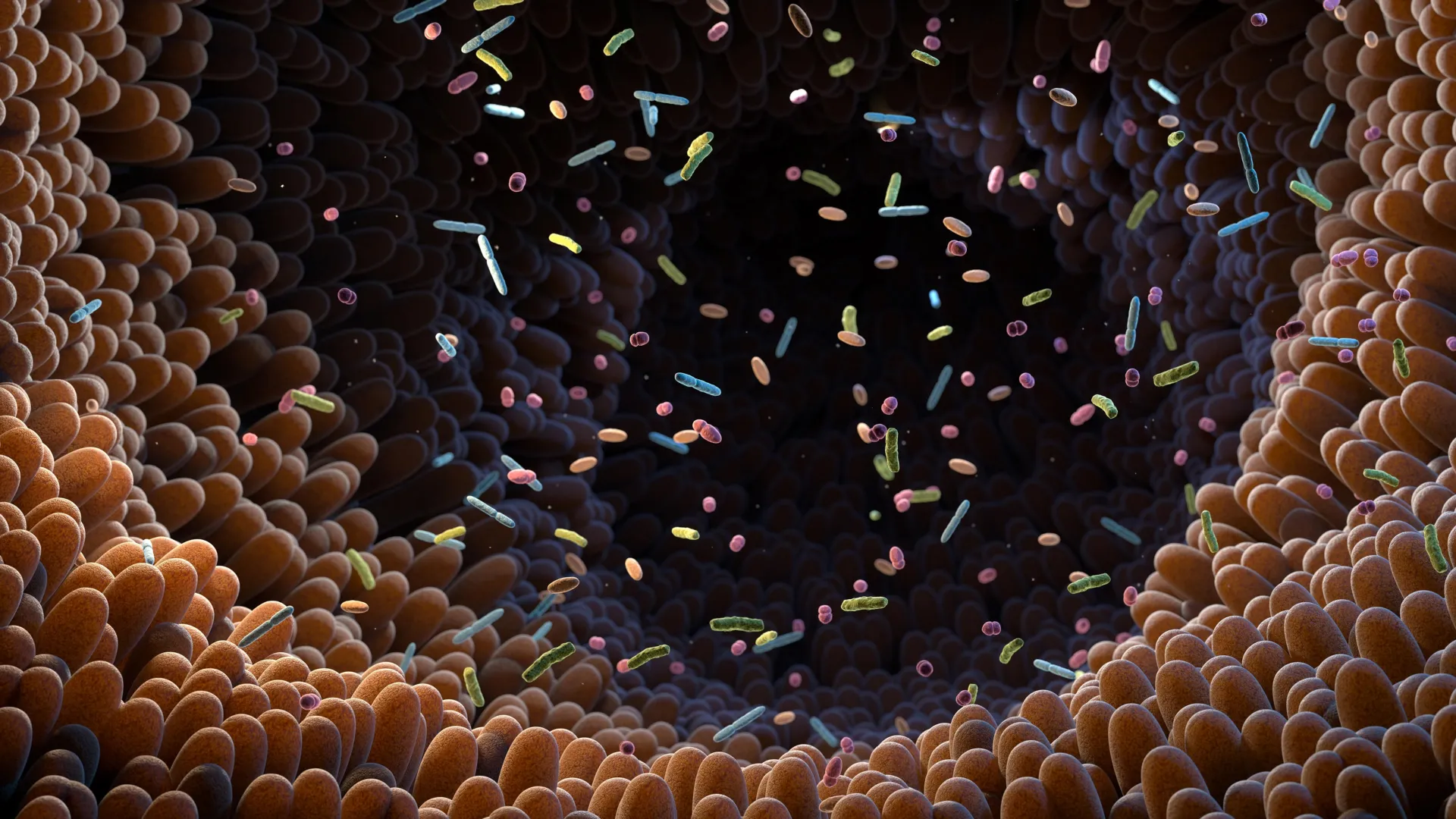
The human gastrointestinal tract hosts an astonishingly diverse ecosystem, teeming with trillions of microorganisms collectively known as the gut microbiome. This complex community, comprising an estimated 4,600 bacterial species, plays a pivotal role in numerous physiological processes, ranging from nutrient absorption and vitamin synthesis to immune system modulation and protection against pathogens. However, a substantial portion of these microbial residents, estimated to be around two-thirds, remained uncharacterized until recent advancements in genomic sequencing technology. This gap in knowledge presented a significant hurdle to fully understanding the microbial contributions to human health and disease.
The breakthrough in identifying CAG-170 was facilitated by earlier pioneering work led by Dr. Alexandre Almeida, a distinguished researcher in the University of Cambridge’s Department of Veterinary Medicine. Dr. Almeida previously developed the ‘Unified Human Gastrointestinal Genome catalogue,’ an extensive reference library mapping the genetic blueprints of thousands of microbial species inhabiting the human gut. This monumental resource was constructed using metagenomics, a sophisticated technique that involves extracting and analyzing all microbial DNA present in a sample simultaneously, subsequently sorting these genetic fragments to reconstruct the genomes of individual species. This method proved instrumental in cataloging over 4,600 bacterial species, with more than 3,000 identified for the first time, including the elusive CAG-170, thereby furnishing the unique genetic "fingerprint" required for its subsequent detection across diverse populations.
Armed with this comprehensive catalogue, the research team embarked on an ambitious cross-sectional study, meticulously analyzing gut microbiome samples sourced from over 11,000 individuals across 39 countries spanning Europe, North America, and Asia. The cohort included both ostensibly healthy participants and those diagnosed with a spectrum of 13 chronic conditions, such as inflammatory bowel disease (IBD), obesity, Crohn’s disease, colorectal cancer, Parkinson’s disease, multiple sclerosis, and chronic fatigue syndrome. The objective was to discern patterns of microbial abundance that correlated with health status. The findings were compelling and unequivocal: CAG-170 consistently exhibited higher concentrations in the gut microbiomes of healthy individuals when compared to those afflicted with chronic illnesses. Conversely, lower levels of CAG-170 were a recurrent feature in patients battling these debilitating conditions.
To solidify these initial observations, the researchers conducted two additional, independent analyses. The second phase involved scrutinizing the complete gut microbiome composition of more than 6,000 healthy individuals, aiming to pinpoint which species demonstrated the greatest capacity to foster stability within the complex gut ecosystem. Remarkably, CAG-170 once again emerged as the microbial group most consistently associated with a stable and thriving gut environment. The third analytical layer delved into individuals experiencing dysbiosis—a state of microbial imbalance within the gut that has been linked to various long-term health issues, including irritable bowel syndrome, rheumatoid arthritis, anxiety, and depression. This analysis confirmed that reduced levels of CAG-170 were strongly correlated with an increased likelihood of dysbiosis, reinforcing its crucial role in maintaining microbial equilibrium. The consistency of these findings across different geographical regions and diverse disease states underscores the global relevance and potential significance of CAG-170.
Beyond mere correlation, the study also delved into the potential functional contributions of CAG-170. Further genetic analysis of this bacterial group revealed its inherent capacity to synthesize substantial quantities of Vitamin B12, an essential nutrient vital for various metabolic processes in humans. Additionally, CAG-170 was found to harbor enzymes critical for the breakdown of complex carbohydrates, sugars, and fibers within the digestive tract. These metabolic capabilities suggest that CAG-170 plays a foundational role in nutrient processing and energy extraction from dietary components that would otherwise be indigestible by the host. Researchers hypothesize that the Vitamin B12 produced by CAG-170 likely serves to nourish and support other beneficial bacteria within the gut, rather than directly supplying the human host. This implies that CAG-170 acts as a keystone species, fostering a healthier and more balanced broader gut ecosystem by providing essential resources for its microbial neighbors. Dr. Almeida elaborated on this perspective, stating that their work revealed CAG-170 bacteria, as part of the "hidden microbiome," appear to be key players in human health, likely by aiding in the digestion of main food components and ensuring the smooth operation of the entire microbiome.
The profound implications of these findings are multifaceted, extending from diagnostic advancements to the development of novel therapeutic strategies. The consistent association of CAG-170 with good health positions it as a promising biomarker for assessing gut microbiome health. Monitoring its levels could potentially serve as a non-invasive indicator of an individual’s microbial balance and overall well-being, aiding in early detection of dysbiotic states or disease predisposition. More significantly, this research paves the way for the creation of next-generation probiotics. The current probiotic market largely relies on a limited array of bacterial species, many of which have been in use for decades, and whose benefits are not always universally substantiated by rigorous scientific evidence for specific conditions. Dr. Almeida pointed out that the probiotic industry has not fully kept pace with the rapid advancements in gut microbiome research. He suggested that discovering new groups of bacteria like CAG-170, with clear links to health, could lead to probiotics designed to specifically support these crucial microbes, thereby offering much greater health benefits.
However, translating these exciting discoveries into tangible clinical applications presents its own set of challenges. A primary hurdle lies in the fact that most CAG-170 bacteria remain unculturable using current laboratory techniques. Scientists will need to devise innovative methods for isolating, growing, and studying these elusive microbes in vitro before they can be incorporated into probiotic formulations or other therapeutic interventions. This necessitates a concerted effort in microbial culturomics and synthetic biology to unlock the full potential of these "hidden" players. Nevertheless, this study represents a pivotal moment, shifting the focus of microbiome research from easily culturable species to the vast, unexplored genetic landscape of the gut, revealing hitherto unknown contributors to human health. By deepening our understanding of what constitutes a truly healthy microbiome, researchers hope to identify precise mechanisms of disease progression and develop targeted interventions to restore microbial balance, ultimately fostering improved health outcomes for millions worldwide. The journey to fully harness the power of the gut microbiome is long, but discoveries like CAG-170 illuminate a promising path forward.
About the Author