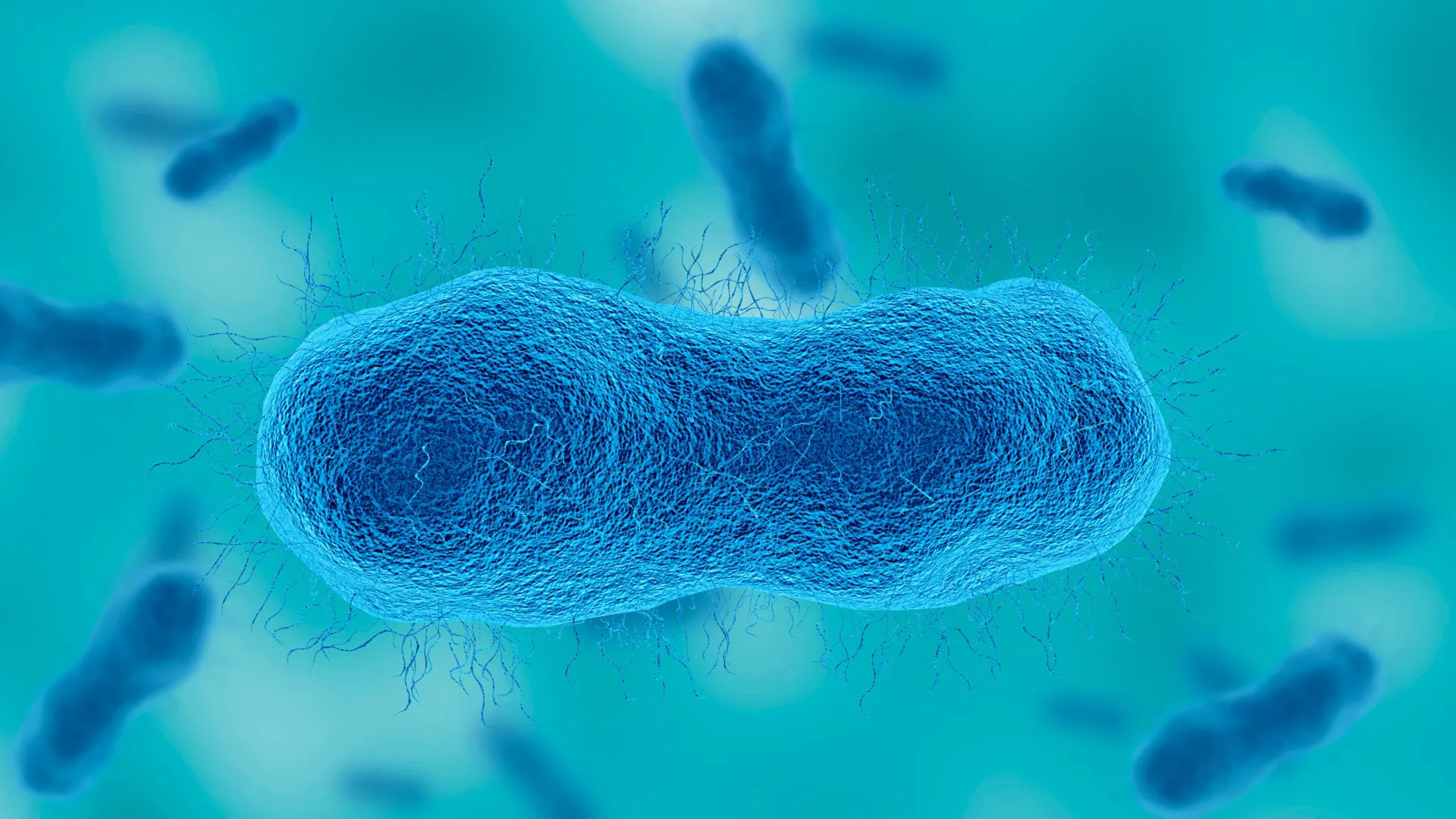
A groundbreaking advancement in the fight against antimicrobial resistance has emerged from Australian research laboratories, offering a potent new avenue for neutralizing bacteria that have evolved to evade conventional antibiotic treatments. Scientists have engineered antibodies capable of precisely targeting a unique sugar molecule found exclusively on the surface of bacterial cells, paving the way for a novel class of immunotherapies designed to tackle multidrug-resistant infections, particularly those acquired in hospital environments. This innovative approach leverages the body’s own immune system, augmented by laboratory-designed tools, to identify and eradicate dangerous pathogens that have become increasingly difficult to treat with existing medical interventions.
The research, detailed in a recent publication in the esteemed journal Nature Chemical Biology, showcases the successful elimination of a typically lethal bacterial infection in preclinical animal models using a specially designed antibody. The mechanism of action relies on the antibody’s ability to bind with high affinity to a specific carbohydrate structure present on the bacteria, thereby signaling the host’s immune system to mount a destructive response against the invading microorganisms. This sophisticated targeting strategy circumvents the need for direct antimicrobial agents, which are losing their efficacy, and instead harnesses the immune system’s innate capacity for pathogen clearance.
This pioneering initiative was a collaborative effort, spearheaded by Professor Richard Payne of the University of Sydney, in conjunction with Professor Ethan Goddard-Borger from the Walter and Eliza Hall Institute (WEHI) and Associate Professor Nichollas Scott, affiliated with the University of Melbourne and the Peter Doherty Institute for Infection and Immunity. Their combined expertise in synthetic chemistry, biochemistry, immunology, and microbiology has been instrumental in unraveling the complex molecular architecture of bacterial sugars and translating this knowledge into therapeutic potential.
Professor Payne is also poised to lead the newly established Australian Research Council Centre of Excellence for Advanced Peptide and Protein Engineering, a significant national undertaking aimed at accelerating the translation of fundamental scientific discoveries into tangible applications across diverse fields such as biotechnology, agriculture, and environmental conservation. The work on this novel antibody represents a foundational achievement that exemplifies the center’s mission to bridge the gap between basic research and real-world solutions. As Professor Payne articulated, "This study demonstrates the power of interdisciplinary collaboration, integrating chemical synthesis with the principles of biochemistry, immunology, microbiology, and infection biology. By meticulously constructing these bacterial sugars in the laboratory using synthetic chemistry, we gained a profound understanding of their three-dimensional structures at the molecular level, enabling the development of highly specific antibodies. This breakthrough opens exciting new possibilities for treating some of the most devastating drug-resistant bacterial infections."
The critical advantage of this therapeutic strategy lies in its selection of a unique molecular target: pseudaminic acid. This sugar molecule, while sharing some structural similarities with sugars found on human cells, is synthesized exclusively by bacteria. Many virulent bacterial species incorporate pseudaminic acid as a crucial component of their external cell envelope, which plays a vital role in their survival, adherence, and evasion of host immune defenses. Because this sugar is not a naturally occurring component of human tissues, it presents an exceptionally precise and safe target for immunotherapies, ensuring that therapeutic interventions are directed solely at the invading pathogens without causing collateral damage to the host’s healthy cells.
The meticulous design process involved the comprehensive synthesis of the bacterial sugar and associated peptide structures from their constituent chemical building blocks. This foundational work was essential for accurately characterizing the molecule’s precise three-dimensional configuration and understanding its presentation on the bacterial surface. Armed with this detailed molecular blueprint, the research team was able to engineer an antibody with what they term "pan-specific" reactivity. This means the antibody can recognize and bind to the same sugar molecule across a broad spectrum of different bacterial species and strains, significantly enhancing its potential therapeutic utility against a wide range of challenging infections.
In rigorous testing using mouse models of infection, the engineered antibody proved highly effective in clearing multidrug-resistant strains of Acinetobacter baumannii. This bacterium is a notorious cause of severe hospital-acquired pneumonia and bloodstream infections, frequently exhibiting resistance to even the most potent last-resort antibiotics. Professor Goddard-Borger underscored the significance of these findings, stating, "Multidrug-resistant Acinetobacter baumannii poses a critical and escalating threat within modern healthcare facilities globally. It is not uncommon for infections caused by this pathogen to defy treatment with even our most advanced antibiotics. Our research provides a robust proof-of-concept, demonstrating the viability of developing new, life-saving passive immunotherapy strategies to combat such formidable adversaries."
Passive immunotherapy represents a distinct therapeutic paradigm where patients are administered pre-formed antibodies, providing immediate protection and control over an infection. Unlike active immunization, which stimulates the patient’s own immune system to produce antibodies over time, passive immunotherapy offers an instantaneous therapeutic effect. This approach can be employed both for treating existing infections and for prophylactic purposes, offering a critical tool in preventing the onset of infections, particularly in vulnerable patient populations. In the demanding environment of intensive care units, where patients are often immunocompromised and exposed to a high risk of multidrug-resistant bacterial colonization, this form of immunotherapy could serve as a vital protective measure, significantly reducing morbidity and mortality.
Associate Professor Scott further highlighted the broader implications of this research, noting that the developed antibodies offer an invaluable new tool for dissecting the intricate mechanisms by which bacteria establish and propagate disease. "These bacterial sugars are fundamentally involved in bacterial virulence, yet they have historically been exceptionally challenging to study," he explained. "The availability of antibodies that can selectively recognize and bind to these sugars allows us to meticulously map their distribution and variations across different pathogenic organisms. This enhanced understanding directly contributes to the development of more effective diagnostic tools and therapeutic interventions."
Looking ahead, the research team has outlined an ambitious five-year plan focused on advancing these laboratory findings toward clinical applications, with a particular emphasis on developing treatments for infections caused by multidrug-resistant A. baumannii. Successfully addressing this critical threat, which represents one of the most dangerous members of the ESKAPE group of pathogens, would constitute a monumental stride in the global endeavor to combat the escalating crisis of antimicrobial resistance. Professor Payne reiterated the strategic alignment of this work with the objectives of the new ARC Centre of Excellence, stating, "This is precisely the type of breakthrough that the Centre is designed to foster. Our overarching goal is to translate fundamental molecular insights into practical, real-world solutions that can safeguard the most vulnerable individuals within our healthcare system."
The authors have declared no competing interests. Funding for this research was generously provided by the National Health and Medical Research Council, the Australian Research Council, the National Institutes of Health, the Walter and Eliza Hall Institute of Medical Research, and the Victorian State Government. The researchers also acknowledge the crucial support provided by the Melbourne Mass Spectrometry and Proteomics Facility at the Bio21 Molecular Science and Biotechnology Institute. All animal handling and experimental procedures were conducted in strict accordance with the guidelines established by the University of Melbourne and received formal approval from the University of Melbourne Animal Ethics Committee, under application ID 29017.
About the Author