Human society thrives on cooperation and acts of kindness, behaviors collectively termed altruism, where individuals prioritize the welfare of others, often at a personal cost. While the capacity for selflessness is widely recognized as a cornerstone of functional communities, the neurobiological underpinnings that drive such varied expressions of generosity across individuals have long remained a profound mystery for researchers. A recent groundbreaking study, published on February 10th in the open-access journal PLOS Biology, sheds new light on this complex phenomenon, demonstrating that directly influencing the synchronized activity between specific brain regions can significantly enhance an individual’s inclination towards altruistic choices. This pioneering research, spearheaded by Jie Hu from East China Normal University in China, in collaboration with colleagues from the University of Zurich in Switzerland, represents a significant leap in understanding how our brains support social decisions.
The concept of altruism extends beyond simple reciprocal exchanges, encompassing actions where an individual benefits another without expectation of immediate or future reward, sometimes even incurring a personal disadvantage. From an evolutionary perspective, the persistence of altruistic traits presents a fascinating paradox, as natural selection typically favors self-preservation. Yet, across diverse cultures and species, prosocial behaviors are observed, suggesting deep-seated biological and neurological foundations. Scientists have meticulously sought to uncover the neural architecture that facilitates these behaviors, hypothesizing that specific brain networks might be responsible for weighing personal gain against the needs of others. The variability in human generosity, ranging from profound self-sacrifice to pronounced self-interest, underscores the importance of identifying the neural mechanisms that contribute to these individual differences.
To empirically investigate the neural underpinnings of altruism, the research team designed an experiment utilizing a well-established paradigm in behavioral economics: the Dictator Game. This game serves as a standard tool for measuring unconditional generosity, as it minimizes strategic considerations by allowing one participant, the "Dictator," to unilaterally decide how to divide a sum of money with another, anonymous participant, the "Recipient," who has no recourse or ability to influence the decision. The Dictator’s choice to share a portion of the money, especially when not compelled by social norms or future interactions, is considered a direct measure of altruistic intent. In this particular study, 44 volunteers were tasked with making 540 distinct allocation decisions, with the monetary amounts involved fluctuating in each round, occasionally placing the participant in a position where sharing would result in them retaining less money than their partner. This intricate design allowed for a detailed analysis of decision-making under varying conditions of personal cost versus potential gain for the recipient.
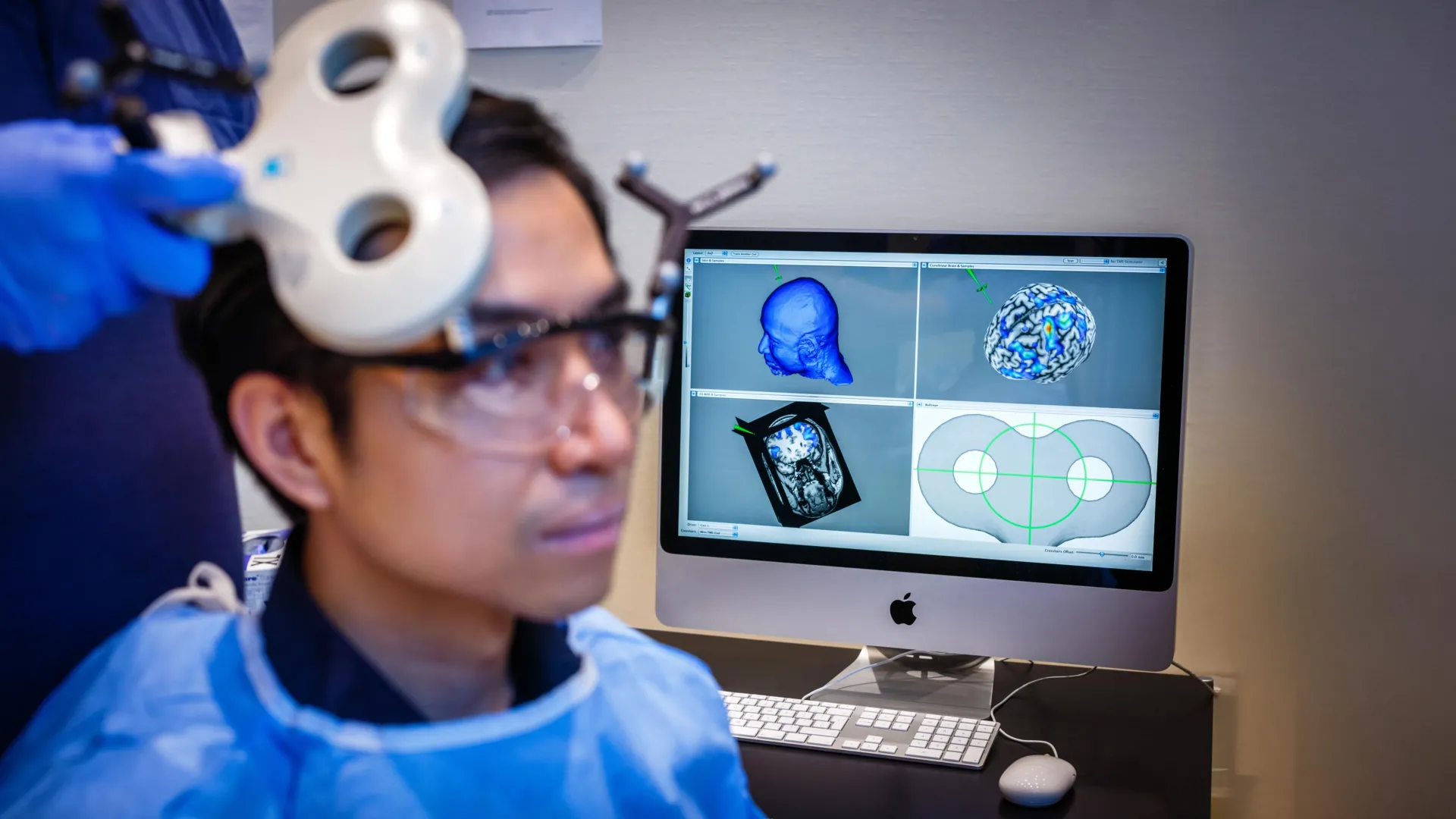
Central to the study’s innovative approach was the application of transcranial alternating current stimulation (tACS), a non-invasive brain modulation technique. Unlike other brain stimulation methods that might excite or inhibit neural activity generally, tACS is specifically designed to synchronize or desynchronize the oscillating electrical rhythms within neural networks. By delivering weak electrical currents through electrodes placed on the scalp, tACS can entrain neurons to fire in specific, repeating patterns, thereby influencing brain communication. In this experiment, the researchers targeted two critical areas: the frontal lobe, particularly the prefrontal cortex, known for its role in executive functions, complex decision-making, and social cognition, and the parietal lobe, which is heavily involved in spatial awareness, attention, and integrating sensory information, as well as perspective-taking. The stimulation was calibrated to guide these brain regions into synchronized activity at either gamma or alpha frequencies. Gamma oscillations (typically 30-100 Hz) are often associated with higher-order cognitive processes, attention, and binding disparate pieces of information, while alpha oscillations (typically 8-12 Hz) are linked to inhibitory control and resting states. The precision of tACS allowed the researchers to probe the causal relationship between specific neural rhythms and complex social behaviors.
The most compelling finding emerged when the researchers specifically amplified gamma synchrony between the frontal and parietal cortical areas. Under these conditions, participants exhibited a statistically significant, albeit modest, increase in altruistic behavior. They demonstrated a greater propensity to allocate larger sums of money to their anonymous partners, even in scenarios where doing so meant accepting a smaller personal reward. This outcome suggests that the enhanced neural coordination at gamma frequencies directly facilitated a shift in the participants’ decision-making calculus. Importantly, this effect was specific to gamma synchrony; stimulating alpha oscillations did not yield similar increases in generosity, highlighting the nuanced role of different brain rhythms in mediating social behavior.
To further elucidate the underlying cognitive changes, the research team employed a sophisticated computational model to analyze the participants’ decision-making patterns. This model revealed that the targeted brain stimulation did not merely induce random changes in behavior but rather systematically altered the weighting individuals assigned to the outcomes for others. Following the gamma synchrony stimulation, participants consistently placed greater emphasis on the recipient’s monetary gain when determining how to divide the funds. This suggests that the intervention specifically modulated the neural processes involved in integrating the welfare of others into one’s own decision framework, rather than simply increasing overall generosity in a non-specific manner. The authors prudently note that, while the behavioral changes were clear, direct neural activity measurements during the stimulation were not performed in this study. They propose that future investigations, combining tACS with real-time neuroimaging techniques such as electroencephalography (EEG), would provide invaluable data to precisely map how the intervention physically alters brain signals. Nevertheless, the current findings strongly imply that synchronized activity within the frontal-parietal network is a crucial component of the neural machinery governing altruistic choices.
The significance of these findings extends beyond merely observing a correlation; the study provides compelling evidence of a direct causal link between modulating specific brain communication patterns and altering prosocial behavior. Christian Ruff, a co-author of the study, emphasized this point, stating, "We have pinpointed a particular pattern of inter-regional brain communication that is intricately connected to altruistic choices. This discovery not only deepens our foundational understanding of the brain’s role in supporting complex social decisions but also establishes a robust platform for future investigations into cooperation, especially in contexts where collective success hinges on collaborative efforts." Jie Hu, another lead researcher, underscored the novelty of the causal demonstration: "What truly distinguishes this work is the clear evidence of cause and effect. By precisely altering communication within a specific neural network using targeted, non-invasive stimulation, we observed a consistent modification in people’s sharing decisions—a fundamental shift in how they weighed their own interests against those of others." Marius Moisa, a third co-author, expressed the team’s surprise at the clarity of the outcome, remarking, "We were genuinely struck by the direct impact that boosting coordination between these two brain areas had on promoting more altruistic choices. When we amplified the synchrony between the frontal and parietal regions, participants unequivocally became more inclined to assist others, even when such actions entailed a personal financial sacrifice."
This research opens several intriguing avenues for future exploration. From a therapeutic perspective, understanding how to modulate prosocial behavior could have profound implications for conditions characterized by deficits in social cognition, such as certain psychiatric or neurological disorders. However, the ethical considerations surrounding the potential manipulation of such fundamental human traits are paramount and warrant careful deliberation as the field progresses. Future research will undoubtedly focus on refining the stimulation parameters, exploring other brain regions and oscillatory frequencies, and integrating advanced neuroimaging to directly observe the neural changes induced by tACS. Furthermore, investigating whether these experimentally induced changes in generosity persist over time or generalize to real-world social interactions would be crucial next steps. Ultimately, this study offers a compelling demonstration that the intricate dance of neural oscillations plays a pivotal role in shaping our capacity for generosity, offering a new frontier in the quest to understand and potentially foster the very behaviors that bind societies together.
About the Author