In a significant market development signaling a potential shift in the pricing strategies of major consumer packaged goods companies, PepsiCo Foods, the division responsible for popular snack brands like Frito-Lay, has announced plans to implement price reductions of up to 15% on several of its flagship products across the United States. This move comes as households nationwide continue to grapple with persistent inflationary pressures that have reshaped purchasing habits and heightened consumer scrutiny over grocery expenditures. The decision, communicated by company executives, is framed as a direct response to extensive consumer feedback indicating widespread financial strain and a desire for more affordable options within the snack category.
For many Americans, the past few years have been characterized by an escalating cost of living, with essential goods and discretionary items alike seeing substantial price hikes. From fundamental pantry staples such as dairy and eggs to everyday indulgences like packaged snacks, consumers have observed a steady erosion of their purchasing power. This macroeconomic backdrop has compelled individuals and families to become more discerning shoppers, often leading them to opt for private-label alternatives, seek out sales, or simply reduce their consumption of non-essential items. Against this challenging economic environment, PepsiCo’s initiative to lower prices on some of its most recognized brands represents a notable deviation from the prevailing trend of price increases or "shrinkflation," where product sizes decrease while prices remain constant or even rise.
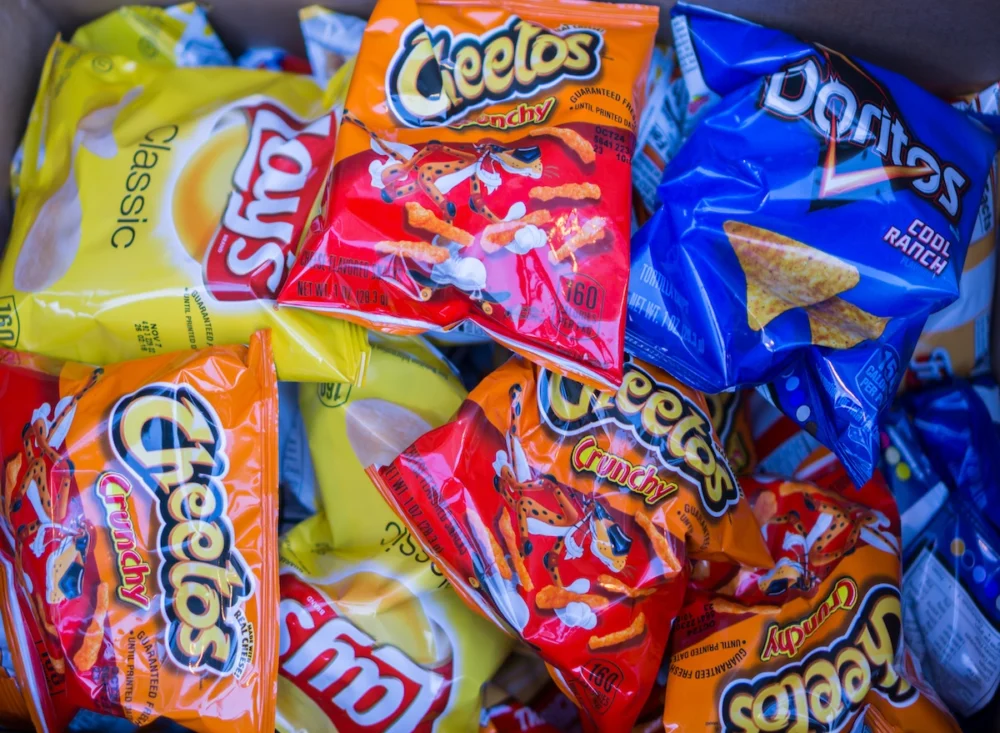
The specific brands slated for these price adjustments include iconic names such as Lay’s potato chips, Doritos tortilla chips, Cheetos cheese-flavored snacks, and Tostitos tortilla chips. These brands collectively represent a substantial portion of the U.S. snack market, and any pricing alteration by such a dominant player is poised to have ripple effects throughout the industry. Crucially, the company has assured consumers that these price cuts will not compromise the product’s integrity, emphasizing that portion sizes, ingredient quality, or flavor profiles will remain unchanged. This assurance aims to preempt concerns that the reductions might be a veiled form of value erosion, a common tactic previously employed by some manufacturers.
Rachel Ferdinando, CEO of PepsiCo Foods U.S., articulated the rationale behind this strategic pivot in a recent statement. She conveyed that the organization has dedicated the past year to "listening closely to consumers," acknowledging their financial pressures. "People shouldn’t have to choose between great taste and staying within their budget," Ferdinando remarked, underscoring the company’s intent to align its offerings more closely with consumer affordability expectations. This emphasis on consumer-centricity suggests that PepsiCo’s internal market research, sales data analysis, and perhaps even social media sentiment tracking, have all pointed towards a clear demand for more accessible pricing. Such a move by an industry giant like PepsiCo is not merely a gesture of goodwill but a calculated business decision aimed at addressing market dynamics and securing long-term brand loyalty in a highly competitive landscape.
The broader context of this decision involves a complex interplay of economic forces that have shaped the consumer packaged goods (CPG) sector. Following global supply chain disruptions, elevated energy costs, and increased labor expenses in the wake of the pandemic, many CPG companies, including PepsiCo, implemented successive price increases to offset their rising input costs and maintain profit margins. For a period, large, established brands often possessed "pricing power," enabling them to pass these costs onto consumers who, at the time, were perhaps less price-sensitive or had fewer readily available alternatives. However, as inflation persisted and disposable incomes came under greater pressure, this pricing power began to wane, leading consumers to actively seek out more economical choices.
One significant challenge for premium national brands has been the resurgence and growing appeal of private-label or store-brand products. As consumers increasingly prioritize value, the gap in perceived quality between national brands and their store-brand counterparts has narrowed for many, making the latter an attractive option. This "trading down" phenomenon directly impacts the market share and sales volume of leading manufacturers. Furthermore, changes in government assistance programs, such as reductions in Supplemental Nutrition Assistance Program (SNAP) benefits, have also influenced purchasing patterns, particularly among lower-income households who constitute a substantial segment of the snack market. These demographic shifts in purchasing power can significantly pressure companies to re-evaluate their pricing structures to remain competitive and relevant to a broader consumer base.
It is crucial for consumers to understand the mechanism behind these price adjustments. PepsiCo Foods has clarified that these are "suggested price reductions" set by the manufacturer. The ultimate retail price displayed on grocery store shelves, however, remains at the discretion of individual retailers. This distinction implies that the actual savings experienced by shoppers may vary depending on the store, its pricing strategy, and its operational costs. While PepsiCo is providing a framework for lower wholesale prices, each supermarket chain or independent grocer will make its own determination regarding how much of that reduction to pass directly to the consumer, how much to absorb to improve their own profit margins, or how to use it as a competitive tool against other retailers. Therefore, consumers might not see an immediate or uniform 15% drop on every eligible product across all retail outlets.
The initial public reaction to PepsiCo’s announcement has been mixed, often tinged with skepticism rather than outright celebration. Many consumers, particularly those active on online forums and social media, have expressed reservations, frequently invoking terms like "shrinkflation" and "greedflation." "Shrinkflation," a portmanteau of "shrink" and "inflation," refers to the practice of reducing the size or quantity of a product while its price remains the same or increases. The public’s familiarity with this phenomenon has fostered a degree of distrust towards manufacturers’ pricing maneuvers. Commentators have suggested that this move might be "too little, too late," arguing that after years of feeling "gouged" by rising prices, many consumers have already adapted their shopping habits by switching to store brands or simply cutting back on snacking altogether.
Online discussions reveal a prevailing sentiment that the price cuts are less about corporate benevolence and more about a strategic necessity driven by declining sales and market share. As one Reddit user articulated, "I don’t think they are doing this out of the kindness of their hearts. They are feeling the strain. I buy store brand or nothing at all when it comes to these items. I guess they are finally feeling the strain after gouging us for the past few years." Another commentator echoed this sentiment, referencing the impact of SNAP cuts as a potential catalyst for the company’s decision. Such reactions highlight the challenge for brands in rebuilding consumer trust once it has been eroded by perceived unfair pricing practices, especially during periods of economic hardship. Many consumers now report making conscious decisions to bypass name-brand snacks unless they are significantly discounted, indicating a fundamental shift in value perception.
From a strategic standpoint, PepsiCo’s decision likely aims to reinvigorate sales volume and stem the tide of market share erosion to private labels and other competitive offerings. By making their flagship products more accessible, the company hopes to entice consumers back to their brands, banking on the power of established brand recognition and perceived quality. While lowering prices might initially impact revenue margins per unit, the expectation is that increased sales volume will compensate for this and ultimately lead to a stronger overall financial performance and a more robust market position in the long run. It is a calculated risk, balancing short-term profit considerations against the critical objective of maintaining long-term consumer relevance and loyalty.
This move by PepsiCo could also signal a broader trend within the CPG industry. If other major food and beverage manufacturers observe a positive response to these price reductions, it might prompt them to reassess their own pricing strategies, particularly in discretionary categories where consumers have more flexibility to cut back. Such a shift could contribute to a wider disinflationary trend in certain segments of the economy, offering some relief to consumers who have faced relentless price increases for an extended period. The evolving relationship between producers, retailers, and consumers in this volatile economic environment remains a critical area of observation, with companies continually adjusting their strategies to navigate complex market forces and meet changing consumer expectations. Ultimately, the success of PepsiCo’s initiative will serve as a crucial test case for whether targeted price reductions can effectively re-engage the American consumer and recalibrate market dynamics in the snack industry.
About the Author