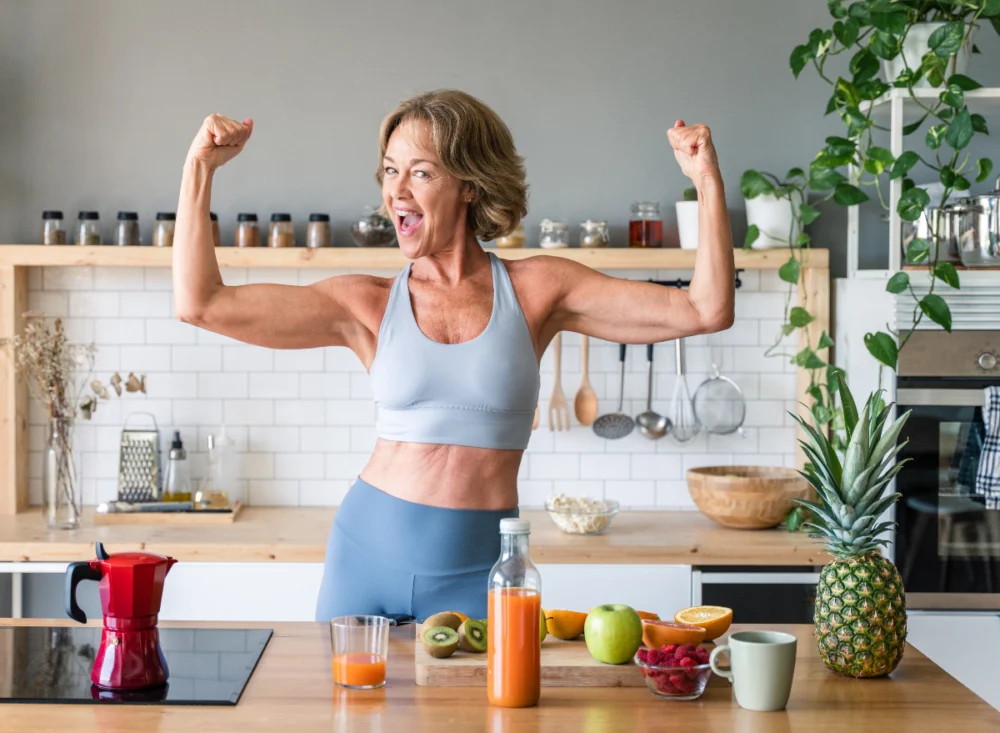
As individuals navigate the landscape of life past the age of 55, the conventional understanding of aging and physical capability is increasingly being challenged. A growing body of evidence, coupled with insights from leading fitness professionals, suggests that maintaining a high level of functional fitness is not only achievable but crucial for enhancing quality of life, independence, and overall well-being. This paradigm shift emphasizes proactive engagement in physical activity, particularly exercises that bolster strength, balance, and coordination, often yielding results that defy typical age-related expectations.
The journey into one’s mid-fifties and beyond frequently brings about physiological changes, necessitating a more deliberate and informed approach to physical conditioning. While the vigor of youth may recede, it does not inherently dictate a decline into inactivity or diminished capacity. Instead, this period presents an opportune moment to prioritize movement and cultivate robust physical health. Experts like Felicia Hernandez, a NASM-certified personal trainer and community engagement lead at Eden Health Club, highlight specific standing exercises as benchmarks for assessing and developing superior functional fitness in this demographic. Achieving proficiency in these movements can indicate a physical condition comparable to, or even exceeding, that of many individuals a decade or more younger.
A critical factor undermining physical health across all age groups, but particularly impactful for older adults, is the pervasive issue of sedentary behavior. Jim Owen, an 85-year-old athlete with ten senior fitness gold medals, author, and documentary filmmaker, starkly illustrates this concern. He explains that even regular, albeit limited, bursts of exercise cannot fully counteract the detrimental effects of prolonged sitting. Owen’s memorable analogy—"If you spend most of your time in a chair, eventually your body will start to look like a chair"—underscores the profound influence of lifestyle on physical structure and function. Extended periods of immobility compromise cardiovascular health, lead to muscle atrophy, and negatively affect joint integrity, creating a cascade of health challenges. Therefore, the imperative for older adults is not merely to exercise, but to integrate consistent movement throughout their daily routines.
For optimal health outcomes in later life, a comprehensive fitness regimen must extend beyond sporadic activity. It should thoughtfully incorporate strength training to preserve muscle mass and bone density, regular stretching to maintain flexibility and range of motion, balance work to prevent falls, and cardiovascular exercises to support heart health and endurance. This multi-faceted approach addresses the various physiological demands of aging, fostering a resilient and adaptable body. The core message from fitness advocates like Owen remains simple yet profound: minimize sitting and maximize movement.
Standing workouts are particularly efficacious in this context due to their inherent demands on multiple physiological systems simultaneously. Unlike exercises performed on machines that often isolate specific muscle groups, standing movements require significant engagement of the core musculature, coordination between different body parts, robust balance, ample joint mobility, and integrated full-body strength. Hernandez elaborates that these exercises train the body "through a real-world lens," focusing on mechanics, proper posture, breath control, and resistance in a way that directly translates to everyday functional tasks.
The preference for seated or assisted movements, which frequently emerges as individuals age, can inadvertently lead to a reduction in nervous system efficiency and muscle responsiveness. This decline can manifest as slower reaction times, reduced coordination, and a general feeling of instability. Conversely, the ability to control one’s body effectively while standing, especially through complex, compound movements, signifies the preservation of high-level function. This is a crucial distinction, as many younger adults, due to sedentary habits or overly specialized training, may have already lost some of these foundational physical capacities. Mastering standing exercises, therefore, becomes a powerful indicator of enduring vitality and adaptability.
These three specific standing movements serve as excellent benchmarks for assessing and developing functional fitness after 55. Their mastery signifies robust neuromuscular endurance, superior core control, impressive leg strength, and refined coordination—qualities essential for navigating daily life with confidence and minimizing injury risk. Owen emphasizes that a well-rounded workout, including these types of movements, equips individuals with the practical skills needed for routine activities, such as lifting objects or performing household chores, without incurring strain or injury.

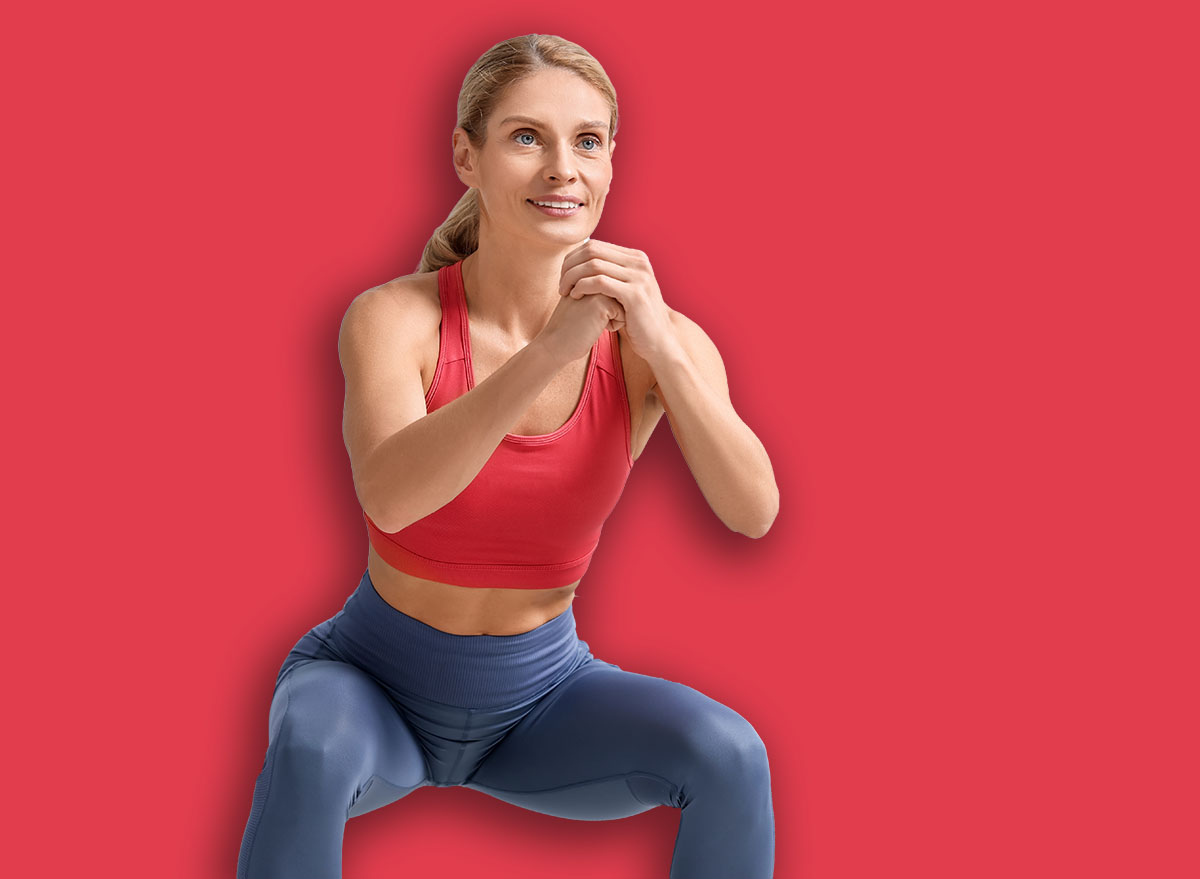
The first foundational exercise is the Squat. Squats are indispensable for maintaining mobility and providing crucial muscular support for the knee joints as the body ages. This compound movement strengthens the quadriceps, hamstrings, glutes, and core, all vital for daily functions like rising from a chair or climbing stairs. To execute a squat effectively, individuals should focus on keeping their sternum lifted, maintaining the natural lumbar curve in their lower back, and ensuring their knees track forward without collapsing inward. While full depth may not be immediately attainable, even lowering the hips a few inches offers significant benefits. Consistent practice leads to gradual improvement. For added stability, particularly for those beginning their squat journey, performing squats with an exercise ball pressed against the lower back against a wall can provide support and guide proper form, allowing the ball to roll upward as the hips descend. As strength progresses, variations like chair squats or weighted squats can be introduced.
Next is the Lat Pulldown, an exercise that targets multiple upper-body muscle groups, particularly the latissimus dorsi (lats) in the back. Strong back muscles are crucial for good posture, preventing shoulder impingement, and facilitating various pulling movements encountered daily, from opening heavy doors to lifting groceries. While typically performed on a gym machine, the movement can be effectively replicated using a resistance band anchored over a high bar at a playground or a sturdy fixture at home, such as a metal garage door frame. To regress the exercise, one can opt for lighter resistance bands or the lightest weights available on a machine. For those seeking a greater challenge, variations like the single-arm dumbbell row or even assisted or unassisted pull-ups, which share a similar biomechanical pattern, can be incorporated. These alternatives still engage the lats, biceps, and rhomboids, promoting comprehensive upper body strength.
The third key movement is the Standing Overhead March with Dumbbells. This exercise is a comprehensive test and developer of posture, deep core control, balance, and shoulder stability, all under an added load. It directly mimics real-world scenarios requiring upright stability and controlled movement, such as carrying items while walking. To perform this exercise correctly, individuals must actively brace their abdominal muscles, maintaining a rigid core, while slowly and deliberately alternating knee drives in place. The key is to prevent any lateral shifting or swaying of the torso, ensuring the movement is controlled and originates from the core. Starting without weights allows for mastery of the balance and core engagement components before progressing to light dumbbells. As proficiency increases, heavier weights or a slower tempo can amplify the challenge, further enhancing shoulder stability and core strength. This movement engages not only the core and shoulders but also the hip flexors, glutes, and various stabilizing muscles throughout the kinetic chain.
Beyond these specific exercises, the overarching message is to adopt a mindset of lifelong movement. Embracing an active lifestyle offers a multitude of benefits extending beyond mere physical prowess. Maintaining fitness in later life significantly contributes to psychological well-being, fostering increased confidence, preserving independence, and even enhancing cognitive function. The ability to perform daily tasks with ease, engage in hobbies, and participate actively in social life are invaluable outcomes of sustained physical activity.

In conclusion, the insights from experts like Felicia Hernandez and Jim Owen provide a compelling blueprint for redefining what it means to age gracefully and powerfully. By consciously integrating functional standing movements such as squats, lat pulldowns, and overhead marches into one’s routine, adults over 55 can not only assess their current fitness levels but actively work towards cultivating a sustained vitality that allows them to thrive. It is imperative, however, for individuals to consult with healthcare professionals before embarking on any new exercise regimen, ensuring that their chosen activities are appropriate for their specific health status and physical capabilities. By prioritizing movement and embracing a holistic approach to fitness, individuals can empower themselves to lead vibrant, active lives well into their senior years.
About the Author