As lifespans extend globally due to advancements in public health and medical interventions, a critical challenge remains: the prevalence of chronic diseases and diminished vitality in later years. While the aging process itself is an immutable aspect of life, its frequent association with debilitating conditions such as cancer, diabetes, and neurodegenerative disorders presents a significant public health concern. A deeper comprehension of the intricate relationship between cellular aging and the onset of disease is the central pursuit of the laboratory directed by Kris Burkewitz, an assistant professor specializing in cell and developmental biology. This research endeavors to disentangle the biological progression of aging from the development of age-related pathologies, with the ultimate aim of fostering extended periods of robust health in individuals as they advance in age. The team’s methodology involves a meticulous examination of how cells orchestrate their internal compartments, known as organelles, and how alterations within these structural arrangements impact cellular efficacy, metabolic function, and susceptibility to disease.
In a recent groundbreaking study, disseminated through the prestigious journal Nature Cell Biology, Burkewitz and his research collaborators have unveiled a previously unrecognized cellular adaptation to the aging process. Their findings indicate that cells actively engage in a process of architectural remodeling, specifically targeting the endoplasmic reticulum (ER), a vast and intricately structured organelle that plays a pivotal role in cellular operations. Far from being a static entity, the ER undergoes a deliberate and controlled reorganization as organisms mature.
This significant cellular renovation is achieved through a mechanism termed ER-phagy, a selective autophagic process where specific segments of the endoplasmic reticulum are dismantled and recycled. The identification of ER-phagy as an integral component of the aging trajectory suggests its potential as a future therapeutic target for a spectrum of age-associated ailments, including but not limited to neurodegenerative conditions and metabolic dysfunctions.
Historically, much of the scientific inquiry into cellular aging has concentrated on quantifying the abundance of various molecular components and cellular machinery within aging cells. In contrast, the Burkewitz lab’s innovative approach shifts the focus to the spatial organization and arrangement of these essential cellular elements within the complex intracellular architecture. Burkewitz likens the cell to a sophisticated manufacturing facility, responsible for producing a multitude of complex products. Even with an ample supply of all necessary machinery, the efficiency of production is intrinsically linked to the strategic placement and sequencing of these machines. He elaborates, "When spatial constraints arise or production demands fluctuate, the factory must reconfigure its layout to ensure the creation of the correct products. If this organizational framework falters, production becomes exceedingly inefficient."
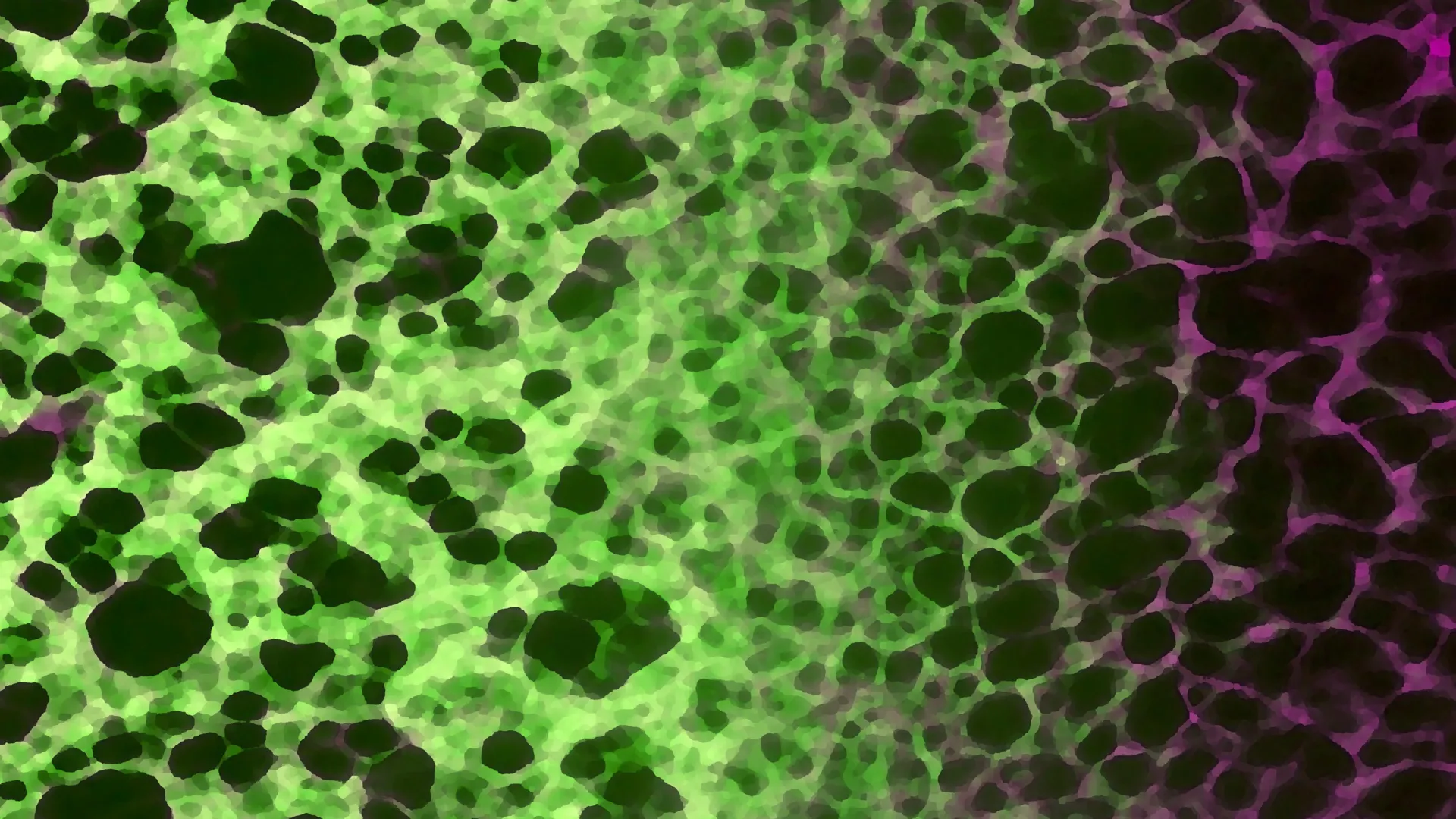
The endoplasmic reticulum stands as a cornerstone of this crucial cellular organization. It comprises an extensive network of interconnected membranes, forming both flattened sacs and tubular structures. This intricate network is indispensable for the synthesis of proteins and lipids, while simultaneously serving as a vital structural scaffold for the entire cell. Despite its fundamental importance, the precise mechanisms by which the ER’s structural integrity and organization evolve throughout an organism’s lifespan have remained largely elusive to the scientific community until now.
To meticulously observe the dynamic changes occurring within the ER over time, the research team leveraged cutting-edge genetic tools in conjunction with advanced light and electron microscopy techniques. Their investigations were conducted using living specimens of Caenorhabditis elegans (C. elegans) worms, a well-established and highly valuable model organism extensively employed in aging research. The inherent transparency of these worms, coupled with their relatively short lifespans, provides researchers with an unparalleled opportunity to directly visualize and study cellular transformations within intact, living animals as they age.
The researchers’ meticulous observations revealed a notable shift in the composition of the ER in aging cells. Specifically, they noted a significant reduction in the prevalence of the "rough" ER, the specialized form of the organelle characterized by the presence of ribosomes and primarily associated with protein synthesis. Concurrently, the tubular form of the ER, which is more closely implicated in lipid metabolism and fat production, experienced only a marginal decline. This observed pattern resonates with well-documented hallmarks of aging, such as a diminished capacity for maintaining protein homeostasis and alterations in metabolic pathways that can contribute to ectopic fat deposition in various tissues. However, it is crucial to acknowledge that further rigorous investigation is necessary to definitively establish direct causal relationships between these observed ER changes and specific age-related physiological consequences.
Furthermore, the study provided compelling evidence that ER-phagy plays an active and directive role in the structural reconfiguration of the ER during the aging process. Critically, the observed involvement of ER-phagy was demonstrably linked to lifespan, suggesting that this cellular process actively contributes to promoting healthier aging rather than merely being a passive consequence of cellular senescence or decline.
Looking ahead, the Burkewitz laboratory intends to further elucidate how distinct ER structural configurations influence metabolic processes at both the cellular and organismal levels. Given the ER’s central role in orchestrating the positioning and function of numerous other cellular components, understanding the broader cellular ramifications of its remodeling will constitute a paramount next step in their research agenda. Professor Burkewitz emphasizes, "Alterations within the endoplasmic reticulum manifest relatively early in the aging continuum. One of the most profoundly exciting implications of this discovery is the possibility that these early ER changes may act as initiating triggers for subsequent events, ultimately leading to cellular dysfunction and the manifestation of disease."
Should researchers succeed in precisely identifying the initiating factors that drive these early-stage ER modifications, the potential exists to develop interventions that could preemptively halt the cascade of events that culminates in the development of age-related diseases. This research, published in Nature Cell Biology, was a collaborative effort involving researchers from Vanderbilt University, the University of Michigan, and the University of California, San Diego, and received support from prominent funding bodies including the National Institute on Aging, the National Institute of General Medical Sciences, and the Glenn Foundation for Medical Research/American Federation for Aging Research.
About the Author