The intricate world of plant biochemistry, long a cornerstone of human health and industry, is revealing profound new secrets that could fundamentally reshape pharmaceutical development and agricultural innovation. Plants, master chemists of the natural world, synthesize a vast array of organic compounds, notably alkaloids, as crucial elements of their survival strategy. These complex nitrogen-containing molecules serve as potent defenses against herbivores, pathogens, and environmental stressors. For millennia, humanity has harnessed these very compounds, leveraging their diverse pharmacological properties in everything from ancient remedies to modern prescription medications, and even in daily consumables like coffee and tobacco. However, the precise mechanisms by which plants orchestrate the creation of these invaluable chemicals have often remained elusive, posing significant hurdles to their sustainable and efficient utilization.
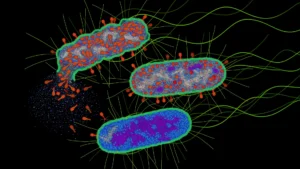
A groundbreaking investigation conducted by researchers at the University of York has unearthed an extraordinary evolutionary shortcut in plant metabolism, challenging conventional understandings of plant biosynthetic pathways. Their work, focusing on the shrub Flueggea suffruticosa, a plant known for producing the powerful alkaloid securinine, uncovered a remarkable genetic anomaly. The critical gene responsible for synthesizing securinine bore an unexpected resemblance not to other plant genes, but to genetic sequences typically found within bacterial genomes. This discovery, detailed in the prestigious journal New Phytologist, suggests a fascinating instance of inter-kingdom genetic exchange, where a plant has seemingly incorporated and repurposed microbial genetic machinery for its own complex chemical manufacturing.
The implications of this finding extend far beyond mere botanical curiosity. For decades, scientists have grappled with the challenges inherent in obtaining plant-derived drugs. Many medicinal plants are rare, slow-growing, or geographically confined, making large-scale harvesting unsustainable and environmentally damaging. Furthermore, the chemical synthesis of these complex molecules in laboratories is often prohibitively expensive, energy-intensive, and generates considerable waste. A deeper comprehension of how plants construct these compounds at a molecular level holds the potential to unlock more efficient, cost-effective, and ecologically sound production methods.
Alkaloids represent a cornerstone of modern pharmacopeia. From the pain-relieving morphine and codeine derived from poppies, to the anti-malarial quinine from cinchona bark, and the muscle relaxant atropine from belladonna, these plant-originated compounds have saved countless lives and alleviated immense suffering. Caffeine, a widely consumed stimulant, and nicotine, a potent psychoactive agent, also fall under this vast chemical class. The ongoing quest for new therapeutic agents continues to heavily rely on exploring the rich biodiversity of the plant kingdom, yet the path from discovery to accessible medicine is frequently arduous. Understanding the underlying genetic and enzymatic blueprints for these natural chemicals is paramount to overcoming these bottlenecks.
Dr. Benjamin Lichman, a lead researcher from the University of York’s Department of Biology, underscored the profound significance of their revelation. "The fundamental biological differences between plants and bacteria are immense," Dr. Lichman explained, "which is precisely why encountering a critical plant chemical pathway driven by a gene so clearly bacterial in origin was genuinely astonishing." This observation points towards a dynamic and opportunistic evolutionary strategy, wherein plants appear to "recruit" and integrate biological tools more commonly associated with microbial life when such tools confer a selective advantage. Even more compelling, the mechanism by which this particular bacterial-like gene facilitates securinine production deviates markedly from the established biochemical routes for other well-known plant-derived compounds, suggesting an entirely novel enzymatic pathway.
This phenomenon, where genetic material is transferred between different species rather than from parent to offspring, is known as horizontal gene transfer (HGT). While HGT is a well-documented driver of evolution in prokaryotes, enabling bacteria to rapidly acquire traits like antibiotic resistance, its occurrence and functional integration in more complex eukaryotic organisms like plants have been historically considered less frequent and often more challenging to definitively prove. The discovery in Flueggea suffruticosa provides compelling evidence that HGT can indeed play a significant role in shaping the metabolic capabilities and defensive arsenals of plants, offering them an expansive evolutionary toolkit beyond their inherent genetic endowment. This ability to assimilate and utilize foreign genetic information suggests a more interconnected and fluid evolutionary landscape than previously appreciated.
The immediate practical implication of identifying this distinct chemical pathway is the provision of an innovative methodology for researchers. Once the characteristic genetic signature of this bacterial-like gene was recognized, the York team began applying bioinformatics tools to scan the genomes of other plant species. This systematic search revealed similar cryptic genes embedded within the DNA of a surprising number of diverse plants. This breakthrough equips scientists with a powerful new lens through which to explore the vast and largely uncharacterized chemical diversity of the plant kingdom, offering a streamlined approach to pinpointing novel natural compounds and elucidating their biosynthetic origins. It essentially provides a "Rosetta Stone" for translating some of nature’s most intricate chemical codes.
Beyond mere discovery, the most transformative potential lies in the realm of sustainable bioproduction. The identified plant genes could eventually be engineered into amenable microbial hosts, such as yeast or bacteria, transforming them into cellular factories capable of churning out valuable chemical compounds in controlled laboratory or industrial fermentation settings. This synthetic biology approach promises to drastically reduce, or even eliminate, the current reliance on harvesting wild plant populations or employing environmentally taxing industrial chemical processes. Imagine producing a critical anti-cancer drug without depleting endangered plant species, or manufacturing an essential agricultural pesticide without generating hazardous waste. This paradigm shift could democratize access to vital medicines and specialized chemicals, making them more affordable and readily available globally.
Furthermore, the newfound insights into alkaloid biosynthesis have profound ramifications for drug safety and efficacy. Alkaloids, by their very nature as defensive compounds, can often be highly potent and, in many cases, toxic. Their use in medicinal contexts necessitates rigorous control, precise dosing, and often, chemical modification to enhance their therapeutic index while minimizing adverse effects. A comprehensive understanding of the enzymatic steps involved in their creation, from precursor molecules to final complex structures, empowers scientists to develop targeted methods for modifying these pathways. This could involve engineering plants or microbial biofactories to produce less toxic analogs, or even devising strategies to selectively remove harmful compounds from specific plant species, thereby rendering them safer for consumption or therapeutic application. Dr. Lichman emphasized this point: "Knowing the intricate steps of alkaloid synthesis opens up new avenues, not only for producing them safely in controlled environments but also for designing methods to mitigate toxicity in plants, which could have agricultural benefits."
The implications extend beyond pharmacology and into the critical domain of agriculture. A deeper understanding of these microbial-derived defensive chemical pathways can provide invaluable knowledge regarding how plants adapt, resist disease, and thrive in challenging environments. This fundamental scientific insight could eventually inform the development of more robust, resilient, and naturally pest-resistant crop varieties, reducing the reliance on synthetic pesticides and contributing to more sustainable food systems. By mimicking or enhancing these natural defense mechanisms, agricultural science could engineer crops better equipped to withstand the pressures of a changing climate and evolving pathogen threats.
Ultimately, the University of York’s discovery serves as a powerful testament to the enduring mysteries and untapped potential held within the natural world. It underscores the critical importance of basic scientific research in uncovering fundamental biological processes, even those seemingly esoteric, which can unexpectedly pave the way for monumental advancements across diverse sectors. From pioneering new methods for pharmaceutical production and ensuring drug safety, to fostering environmental sustainability and enhancing agricultural resilience, this unexpected genetic link between plants and microbes offers a compelling vision for a future where humanity harnesses nature’s wisdom with unprecedented precision and responsibility. The ongoing exploration of plant genomes, particularly through the lens of evolutionary cross-talk, promises to continue yielding revelations that will redefine our understanding of life itself and unlock innovative solutions to some of humanity’s most pressing challenges.
About the Author