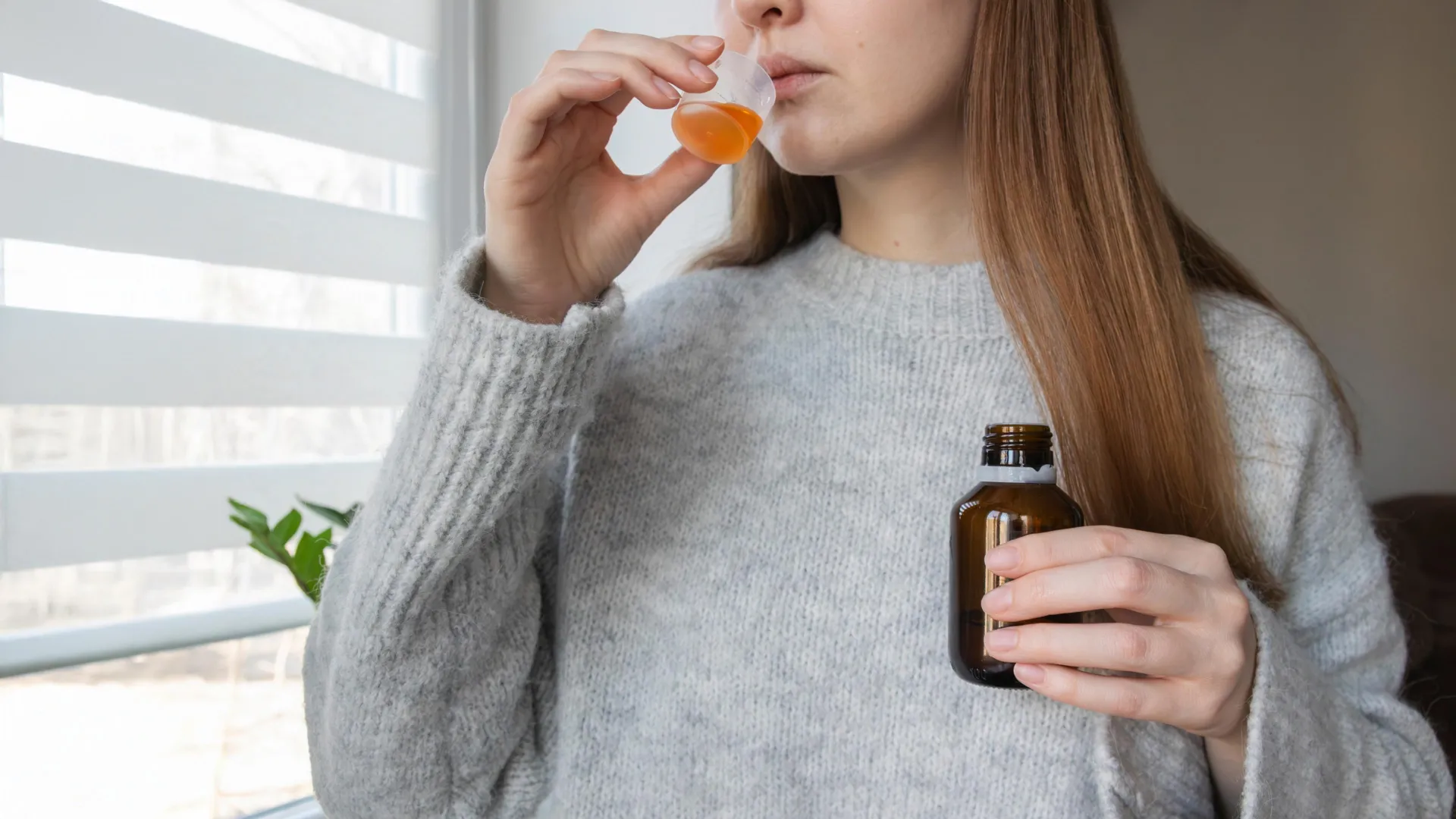
For an extended period, a concoction widely recognized as Miracle Mineral Solution (MMS) has been enthusiastically promoted as a panacea for a spectrum of severe ailments, ranging from oncological conditions and autism spectrum disorder to the novel coronavirus. However, a thorough examination by scientific researchers has unveiled a far more concerning reality behind these purported remedies. Far from being a revolutionary therapeutic agent, MMS is essentially a commercial designation for sodium chlorite (NaClO₂), a potent industrial chemical primarily utilized for its disinfectant properties in applications such as water purification. The inherent danger arises when sodium chlorite is combined with an acidic agent, a process that generates chlorine dioxide (ClO₂), a substance that poses significant risks when ingested.
A dedicated team of researchers affiliated with Wroclaw Medical University embarked on a rigorous investigation to meticulously analyze the effects of this substance under precisely controlled scientific conditions. The comprehensive findings of their study have been formally published in the esteemed journal Scientific Reports, offering critical insights into the mechanisms and consequences of MMS. The investigative team focused their attention on acidified sodium chlorite (ASC), the precursor to chlorine dioxide generation, evaluating two distinct formulations: ASC1, prepared by acidifying with hydrochloric acid, and ASC2, which utilized gluconic acid. These preparations were then subjected to rigorous testing against a diverse array of bacterial species, encompassing both pathogenic strains known for their virulence, such as Staphylococcus aureus and E. coli, and essential beneficial probiotic bacteria, exemplified by Lactobacillus rhamnosus.
The experimental results unequivocally demonstrated that while chlorine dioxide possesses potent antibacterial capabilities, its efficacy is intrinsically linked to concentrations that simultaneously inflict damage upon human cells. Specifically, at a concentration of 30 parts per million (equivalent to 0.003%), the substance proved lethal to bacteria. Nevertheless, parallel testing revealed undeniable evidence of significant harm to human skin cells, alongside alarmingly high mortality rates observed in an in vivo model, a simulated biological environment. Further investigation delved into the complex architecture of bacterial biofilms – resilient protective layers that shield microorganisms from therapeutic interventions, rendering infections notoriously difficult to eradicate. The study confirmed that while ASC formulations were capable of disrupting these protective biofilms, this disruptive action was accompanied by collateral damage to the surrounding healthy tissues.
Dr. Ruth Dudek-Wicher, a distinguished researcher from the Department of Pharmaceutical Microbiology and Parasitology at the Faculty of Pharmacy, Wroclaw Medical University, articulated the critical implications of these findings, stating, "The results of the study indicate that effective concentrations of ASC against biofilms are also toxic to eukaryotic cells, but it cannot be ruled out that a formulation for external use will be developed that ensures the safety of use with high anti-biofilm efficacy." This statement underscores the dual nature of chlorine dioxide’s action, highlighting the delicate balance between therapeutic potential and inherent toxicity.
A crucial distinction was further emphasized by Dr. Dudek-Wicher, who highlighted the divergence between professionally manufactured, highly purified chlorine dioxide solutions, which find limited application in specialized fields like dentistry, and the improvised mixtures often prepared by proponents of MMS in informal settings. The research extended its scope to scrutinize the impact of ASC on beneficial probiotic bacteria. Notably, the biofilms formed by Lactobacillus bacteria exhibited extreme sensitivity to the substance, raising significant concerns regarding the potential disruption of the delicate intestinal microflora, a vital component of human health. Dr. Dudek-Wicher elaborated on the future research landscape, remarking, "At the moment, we are not planning such studies, but we do not rule them out in the future. If a safe oral form of ASC is developed, an analysis of its impact on the microbiome will be necessary." This indicates a potential future direction for research aimed at understanding and mitigating any adverse effects on the gut ecosystem.
Beyond the laboratory-based scientific inquiry, the researchers explicitly stated that their endeavor was not confined to the realm of pure scientific investigation; rather, it was driven by a profound imperative to actively counter the pervasive dissemination of misinformation surrounding MMS. Dr. Dudek-Wicher emphatically stated, "The most harmful mistake is to believe in the effectiveness of MMS without hard scientific evidence." She further elaborated on the fundamental principles of pharmaceutical and medical practice, explaining, "In pharmacy and medicine, the benefit-risk ratio is considered. In the case of MMS, the benefit is zero, and the risk is high, especially since the dosage is often administered using non-standardized droppers, which can achieve 1 ml by applying 15 or 30 drops. Such fluctuations in the oral dosage of a corrosive substance are extremely irresponsible." This highlights the inherent dangers not only of the substance itself but also of the uncontrolled and unscientific methods of administration promoted by its advocates.
The promotion of MMS has extended to particularly vulnerable populations, including children and pregnant women, a practice that has drawn sharp criticism from the scientific community. Dr. Dudek-Wicher expressed particular dismay regarding recommendations that link MMS to weight loss efforts. She articulated her shock by stating, "I was particularly shocked by the recommendations for combating obesity, which did not mention the effect of MMS on adipose tissue but only affirmed self-acceptance combined with stigmatization of obesity." This observation points to a manipulative marketing strategy that exploits emotional vulnerabilities rather than relying on empirical evidence. The danger, in her view, lies not solely in the intrinsic toxicity of the substance but also in the insidious manner in which it is marketed, leveraging emotional appeals and unsubstantiated claims to bypass rational assessment.
Addressing the deeply entrenched nature of health-related myths and misinformation requires a multifaceted approach, according to Dr. Dudek-Wicher, who believes that effective countermeasures are indeed achievable through interdisciplinary collaboration and a foundation of empathy. "Yes, but it requires an integrated, interdisciplinary approach and empathy," she asserted. "Currently, the fight against myths is too often marked by a lack of respect and compassion. People turn to MMS because they are concerned about their health — and education must take this into account, with communication based on respect." This perspective emphasizes the importance of understanding the underlying anxieties and needs of individuals who are drawn to such unproven remedies and tailoring educational efforts with compassion and respect.
Furthermore, Dr. Dudek-Wicher stressed the critical importance of allocating resources towards research initiatives that systematically debunk false health claims. She posited that the scientific community bears a significant responsibility to safeguard the public from the detrimental influence of misinformation. It is within this context that she welcomed the recognition and support provided by her university grant for the MMS research, culminating in the publication of their findings in Scientific Reports.
The impactful research conducted at the Faculty of Pharmacy has garnered considerable media attention, including a prominent feature and video presentation on the homepage of the Polish Press Agency. This heightened public interest, according to the researchers, reflects a broader and deeply felt societal demand for clear, evidence-based information that can help navigate the complex landscape of health and wellness. The authors, Dr. Dudek-Wicher and Professor Adam Junka from the Department of Pharmaceutical Microbiology and Parasitology at Wroclaw Medical University, concluded by stating their ongoing commitment, "At the Faculty of Pharmacy, we are not afraid of difficult topics. The safety of patients who have lost their way in search of treatment is of utmost importance to us. And the interest in the results encourages us to continue our work. We are planning a series of analyses and publications on other miracle preparations — DMSO, adaptogens, ‘detoxification’ protocols — all in the spirit of scientific myth-busting." This forward-looking statement signals a dedicated mission to continue scrutinizing and exposing pseudoscientific health claims through rigorous scientific investigation.
About the Author