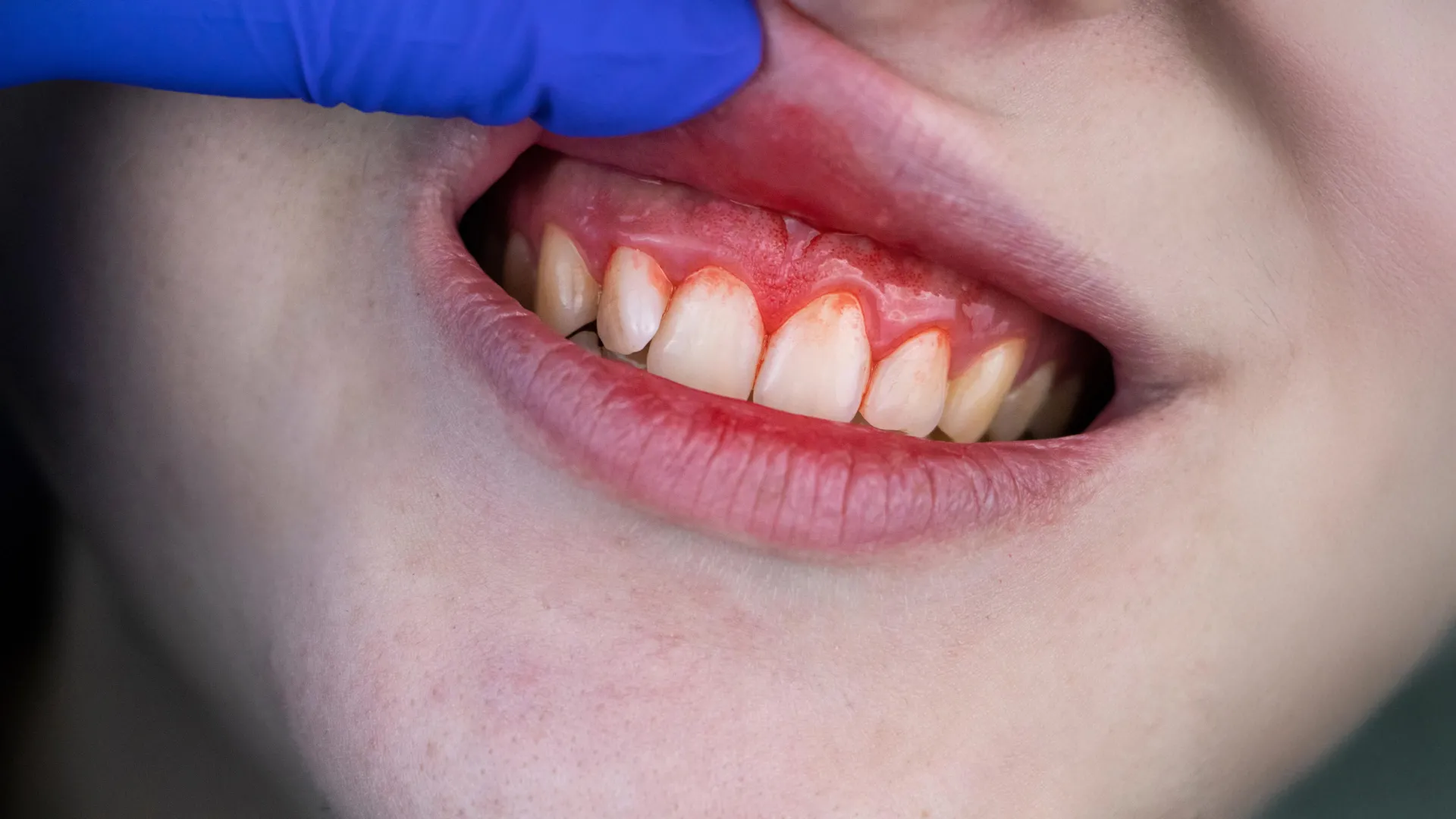
Periodontitis, a chronic inflammatory condition affecting the supporting structures of the teeth, represents a significant public health challenge, particularly within the aging demographic. This chronic inflammatory condition, often dubbed ‘silent’ due to its typically painless progression in early stages, can lead to irreversible damage to the soft tissues and bone supporting the teeth. Left untreated, it results in tooth loss, profoundly affecting an individual’s ability to chew, speak, and maintain adequate nutrition. Beyond the oral cavity, severe periodontitis has been increasingly linked to a host of systemic health issues, including an elevated risk for cardiovascular diseases, diabetes complications, and certain respiratory conditions, underscoring its broad impact on overall geriatric health. A recent comprehensive analysis has illuminated a compelling potential link between nutritional intake, specifically of the potent antioxidant lycopene, and the likelihood of developing advanced stages of periodontitis in the elderly population within the United States. This research suggests that insufficient dietary consumption of this particular carotenoid may significantly elevate the risk profile for severe gum disease among older adults.
The investigation, drawing insights from a robust national health survey, revealed a pronounced association: older individuals who consistently met recommended dietary thresholds for lycopene exhibited substantially lower odds—approximately one-third—of experiencing severe periodontitis when compared to their counterparts with inadequate intake. This statistically significant correlation persisted even after careful adjustments for various confounding factors known to influence oral health, such as chronological age, biological sex, racial and ethnic background, smoking habits, and educational attainment.
Lycopene, characterized by its deep red hue, functions primarily as a powerful antioxidant, scavenging harmful free radicals that contribute to oxidative stress and cellular damage. This protective action is particularly relevant in inflammatory conditions like periodontitis, where excessive oxidative stress can exacerbate tissue destruction in gum tissues and the underlying bone. Furthermore, lycopene has demonstrated anti-inflammatory properties, potentially modulating cytokine production and signaling pathways involved in the immune response that drives periodontal disease progression. While tomatoes and processed tomato products (such as paste, sauce, and juice) are widely recognized as primary and highly bioavailable dietary sources—processing often enhances its release from the plant matrix—other vibrant red and pink fruits like watermelon, pink grapefruit, and guava also contain this valuable compound. Its fat-soluble nature means that consuming lycopene with a small amount of dietary fat can significantly enhance its absorption and utilization within the body, making its inclusion in meals a strategic nutritional choice.
This particular study meticulously examined health and nutrition data collected from 1,227 U.S. adults, ranging in age from 65 to 79. The comprehensive dataset was extracted from the National Health and Nutrition Examination Survey (NHANES) spanning the years 2009 to 2014. NHANES is a continuous program of studies conducted by the National Center for Health Statistics (NCHS), designed to assess the health and nutritional status of adults and children in the United States. It is uniquely positioned to offer such insights, as it combines direct physical examinations (including detailed oral health assessments) and laboratory tests with comprehensive interviews covering dietary intake and health history. This extensive national survey provided a rich source of information, allowing researchers to correlate dietary patterns, including specific nutrient intake, with various health outcomes, such as the severity of periodontal disease across a nationally representative, non-institutionalized population.
Within the studied cohort of older Americans, the findings underscored a dual public health challenge. Nearly half of the participants, specifically 48.7%, presented with clinical signs indicative of periodontitis, highlighting the widespread nature and significant burden of this oral health issue in the aging population. Concurrently, a substantial majority—over three-quarters, or 77.9%—were identified as not consuming sufficient amounts of lycopene to meet recommended nutritional guidelines. This widespread deficiency in a potentially protective nutrient, observed alongside high rates of gum disease, suggests a critical public health gap that warrants further attention and potential dietary interventions.
Furthermore, the research brought to light significant demographic disparities in the prevalence of severe periodontitis. The condition was observed to occur with greater frequency among men compared to women, and notably, among non-Hispanic Black adults when contrasted with other racial and ethnic groups. These stark differences underscore the complex interplay of various factors contributing to health inequities. Socioeconomic status, educational attainment, access to affordable and quality dental care, cultural attitudes towards oral hygiene, and potentially genetic predispositions can all contribute to the observed disparities. For instance, limited access to preventive dental services or consistent professional care can allow periodontal disease to progress undetected and untreated in certain populations, leading to higher rates of severe manifestations and greater tooth loss. Acknowledging these specific group vulnerabilities is crucial for developing targeted, equitable, and effective public health interventions that address the root causes of these health inequities.
The multi-institutional collaborative effort was spearheaded by Katherine Kwong, affiliated with the Department of Human Development at Connecticut College in New London, Connecticut. Her team included distinguished scientists from several other prominent academic and research institutions, including Tulane University, the University of California San Diego, Yunnan University, Southern Illinois University, and Louisiana State University Health Sciences Center, underscoring the multidisciplinary and rigorous nature of the investigation.
The authors interpret these findings as a strong indication that dietary lycopene could represent an important, modifiable factor in the complex etiology of severe gum disease among older adults. This offers a promising avenue for nutritional strategies aimed at prevention or mitigation of a debilitating condition. From a public health standpoint, identifying dietary factors that could potentially influence disease risk offers a relatively accessible and cost-effective avenue for intervention. Promoting diets rich in lycopene-containing foods could become a component of broader strategies aimed at enhancing oral health in older adults. However, a crucial caveat accompanies these observations: the cross-sectional design of the study. This methodology captures data at a single point in time, allowing for the identification of associations and correlations, but it inherently limits the ability to establish direct cause-and-effect relationships. In simpler terms, while low lycopene intake is associated with higher risk, this study cannot definitively prove that insufficient lycopene causes periodontitis, nor that increasing lycopene intake will directly prevent it. It is plausible that individuals with more severe periodontitis might also have dietary habits that differ in ways unrelated to lycopene, or that the disease itself might influence nutrient absorption or dietary choices.
Recognizing this methodological limitation, the research team emphatically advocates for subsequent investigations utilizing more robust designs. They specifically call for the implementation of long-term prospective cohort studies or, ideally, randomized controlled trials (RCTs). These more rigorous designs are essential to ascertain whether dietary modifications or targeted supplementation with lycopene can serve as an effective therapeutic or preventative strategy against severe periodontitis. Specifically, randomized controlled trials, where one group receives lycopene intervention and another a placebo, would provide the highest level of evidence regarding causality and efficacy. Such research would also need to carefully consider optimal dosages and delivery methods for lycopene, alongside potential interactions with other nutrients or medications. Moreover, future studies should continue to delve into the biological mechanisms through which lycopene might exert its protective effects within the oral cavity, perhaps by modulating the oral microbiome, specific inflammatory pathways, or bone metabolism. Furthermore, future prevention efforts must explicitly acknowledge and address the identified racial and sex-based disparities, ensuring that interventions are culturally sensitive, accessible, and tailored to the needs of specific at-risk populations to maximize their impact.
This research contributes significantly to a growing body of evidence highlighting the intricate relationship between systemic nutrition and oral health, moving beyond the traditional focus on localized oral hygiene practices alone. The integration of nutritional science into oral health recommendations represents a paradigm shift, recognizing that systemic well-being and a healthy mouth are inextricably linked. As the global population ages, understanding and leveraging dietary components like lycopene could become an increasingly vital strategy in comprehensive geriatric care, underscoring the interconnectedness of overall well-being and a healthy mouth. The findings serve as a compelling call for both public health initiatives to promote balanced, nutrient-rich diets and for further scientific inquiry to solidify the clinical implications of these dietary links, ultimately aiming to enhance the quality of life for older adults worldwide.
About the Author