

As individuals navigate the landscape of aging, maintaining physical vitality, particularly core strength, becomes increasingly critical for overall well-being and functional independence. While the pursuit of a firm midsection often focuses on aesthetics, its implications extend far beyond superficial appearance, impacting posture, balance, and the ease with which daily tasks are performed. For those over the age of 55, physiological shifts can present unique challenges to abdominal health, making traditional high-impact or floor-based routines less appealing or even difficult to execute. However, a strategic approach incorporating gentle, bed-based exercises offers an accessible and effective pathway to cultivate robust core musculature and address common concerns like abdominal protrusion.
The journey into one’s later decades often brings with it natural changes in body composition. A gradual decline in muscle mass, a phenomenon known as sarcopenia, can accelerate after 50, concurrently with a slowing metabolism. Hormonal fluctuations, particularly in women post-menopause and men experiencing andropause, can also contribute to a redistribution of fat, favoring accumulation around the midsection. This increase in visceral fat, which surrounds internal organs, is not merely a cosmetic concern; it is linked to various health risks. Consequently, focusing on core strength is not just about flattening the abdomen but about fostering internal health and improving biomechanical efficiency. A strong core acts as the body’s central pillar, stabilizing the spine, facilitating efficient movement, and significantly reducing the risk of falls and back pain, issues that become more prevalent with age.
Integrating physical activity into the initial moments of the day can set a positive tone and activate the body’s systems gently. For many, the idea of an intense morning workout can be daunting. This is where bed-based exercises present a compelling alternative. Their inherent accessibility means no special equipment is required, and the soft surface of a bed reduces impact on joints, making them suitable for individuals who may experience discomfort or limitations with floor exercises. This low-barrier entry point encourages consistency, transforming exercise from a chore into a seamless part of a morning ritual. By engaging core muscles early, individuals can jumpstart their metabolism, enhance blood flow, and establish a foundational level of engagement that carries through the day, improving posture and overall body awareness.
A well-rounded core routine targets multiple muscle groups: the rectus abdominis (the "six-pack" muscles), the obliques (side muscles), and crucially, the deeper transverse abdominis, which acts like a natural corset. The following five movements, performed from the comfort of one’s bed, are designed to progressively strengthen these areas, promoting both firmness and functional stability.
Dynamic Leg Extensions (Flutter Kicks)
This exercise specifically targets the lower abdominal region and hip flexors, areas often associated with supporting the anterior abdominal wall. By performing small, controlled leg movements while lying on the back, individuals maintain continuous tension on these muscle groups. The bed’s cushioning provides a supportive environment, reducing any potential strain on the lower back that might occur on a harder surface. The controlled, rhythmic nature of dynamic leg extensions builds muscular endurance and fosters a sustained engagement of the deep core stabilizers. Over time, this contributes to a more integrated core that supports better posture throughout daily activities. The key is to keep the movements deliberate and concise, preventing the lower back from arching off the mattress. Aim for three sets of 20 to 30 total repetitions, pausing briefly between sets. Variations might include bending the knees slightly or varying the tempo for increased challenge.
Pelvic Tilts with Leg Lifts (Reverse Crunches)
Reverse crunches are particularly effective for isolating the lower abdominal muscles without placing undue stress on the neck or upper back, a common complaint with traditional crunches. Instead of lifting the torso, the emphasis shifts to raising the hips and tilting the pelvis, engaging the lower abdominal wall and transverse abdominis. The soft bed surface facilitates a smoother, more controlled movement, allowing for a deeper focus on muscle activation. This exercise not only strengthens the lower abs but also improves pelvic control and coordination, leading to a sensation of greater midsection stability and support. Execute three sets of 10 to 15 repetitions, ensuring the movement originates from the hips rather than simply swinging the legs. Consider variations like alternating leg lifts or incorporating a brief hold at the peak of the movement.
Opposite Limb Extensions (Dead Bugs)
Often lauded by physical therapists, the dead bug exercise is paramount for developing deep abdominal strength and enhancing core stability while the limbs move independently. It teaches the core to remain rigid and stable, counteracting the forces created by arm and leg extensions. Lying on the bed helps limit the range of motion, making it easier to maintain the critical connection between the lower back and the mattress. This exercise reinforces proper breathing mechanics and encourages an awareness of spinal alignment, building core endurance without excessive fatigue. Perform three sets of 8 to 10 repetitions per side, ensuring the lower back remains pressed into the bed throughout the movement. If the back begins to arch, reduce the range of motion. Tapping the heel or elbow to the bed can be a gentler variation.
Modified Sit-Ups (Butterfly Sit-Up)
The butterfly sit-up offers a more accessible and comfortable way to engage the rectus abdominis compared to conventional sit-ups. By bringing the soles of the feet together and letting the knees fall open, the lever arm at the hips is shortened, which reduces strain on the hip flexors and allows the abdominal muscles to work through a more fluid range of motion. The bed provides inherent cushioning and support for the spine, minimizing discomfort. This controlled flexion exercise builds endurance in the front of the core and improves trunk strength, making it a practical component for consistent daily training. Aim for three sets of 8 to 12 repetitions, focusing on exhaling as you ascend to reinforce core engagement. Short-range repetitions or crossing the arms over the chest can be useful modifications.
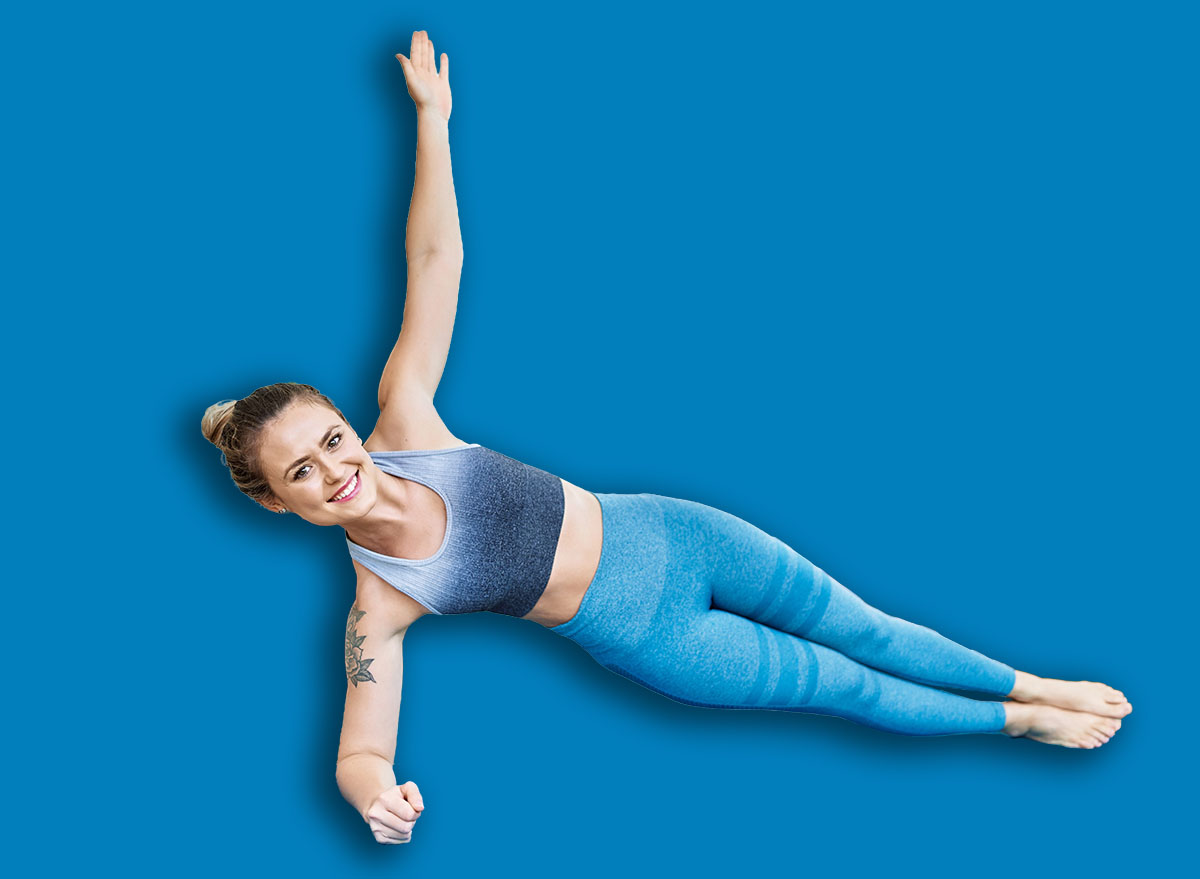
Lateral Core Stability (Side Plank Hold)
The side plank is an isometric exercise that rigorously strengthens the oblique muscles and the deeper transverse abdominis, which are crucial for lateral stability, postural support, and helping to define the waistline. Performing this hold on a bed can reduce pressure on the shoulder and hip joints, making it more comfortable to maintain the correct form. The sustained isometric tension builds remarkable endurance in these core-stabilizing muscles without requiring repetitive movement. Incorporating short, daily holds can yield significant cumulative benefits for overall core resilience. Complete three sets of 20 to 30 seconds per side, ensuring the body forms a straight line from head to heels, with hips stacked and the neck relaxed. A kneeling variation or a shorter lever hold can be used to adjust difficulty.
While these bed-based exercises are a powerful catalyst for enhancing core strength, their effectiveness is significantly amplified when integrated into a holistic approach to health. True abdominal firmness and overall well-being in later life hinge on a combination of consistent physical activity, mindful nutrition, adequate hydration, restorative sleep, and effective stress management.
A balanced dietary intake is fundamental. Prioritizing lean proteins helps preserve muscle mass and supports satiety, while ample fiber intake aids digestion and promotes a feeling of fullness. Reducing processed foods, refined sugars, and unhealthy fats can dramatically impact abdominal fat levels. Hydration is equally vital; drinking sufficient water supports metabolic processes, aids nutrient transport, and can sometimes be mistaken for hunger, helping to manage caloric intake.
The importance of sleep often goes underestimated. Chronic sleep deprivation can disrupt hormone regulation, leading to increased cortisol levels and ghrelin (the hunger hormone), both of which can promote abdominal fat storage. Aiming for 7-9 hours of quality sleep nightly is crucial. Similarly, chronic stress elevates cortisol, contributing to central fat accumulation. Incorporating stress-reducing practices such as meditation, deep breathing exercises, or engaging in hobbies can profoundly benefit overall health, including abdominal composition.
Finally, while targeted core work is essential, it should complement a broader regimen of physical activity. Regular walks, swimming, cycling, or other forms of moderate cardiovascular exercise further contribute to calorie expenditure and overall fat reduction. Strength training for other major muscle groups also boosts metabolism and supports functional strength, creating a synergistic effect with core-specific exercises.
By embracing these accessible bed-based movements as a daily ritual and integrating them into a comprehensive lifestyle strategy, individuals over 55 can proactively cultivate a stronger, more functional core. This not only contributes to a firmer midsection but, more importantly, enhances posture, improves balance, and fosters a greater sense of confidence and independence, paving the way for a more vibrant and active life.
About the Author










