The landscape of the American dining experience is undergoing a significant transformation, marked by a pervasive rise in menu prices that is increasingly influencing consumer behavior and perceptions of value. While inflationary pressures have become a familiar aspect of the broader economy, their specific manifestation within the restaurant industry has led many patrons to re-evaluate their dining choices, particularly concerning several prominent chain establishments. This economic phenomenon is not merely about higher numbers on a receipt; it represents a complex interplay of increased operational costs, supply chain disruptions, evolving labor markets, and ultimately, a shifting expectation of what constitutes a fair price for a meal outside the home. The casual dining and fast-casual sectors, traditionally known for offering accessible and consistent options, are now at the forefront of this consumer scrutiny, as customers vocalize their growing dissatisfaction with what they perceive as diminished value.
Across the United States, restaurant operators grapple with a confluence of economic headwinds. The cost of food commodities, from grains to proteins, has seen volatile fluctuations, often trending upwards. Energy expenses, critical for cooking, heating, and cooling dining establishments, have also climbed. Perhaps most significantly, labor costs have surged due to rising minimum wages in many states and a competitive job market that demands higher compensation to attract and retain staff. These factors inevitably translate into higher menu prices. However, the critical juncture for many consumers is when these price adjustments begin to erode the perceived value proposition that initially drew them to a particular restaurant. It’s not just about paying more; it’s about paying more for what feels like the same, or in some cases, a lesser experience or quantity. This sentiment is particularly pronounced in several well-known chains, where a historical reputation for affordability or consistent value is now being challenged by their current pricing structures.
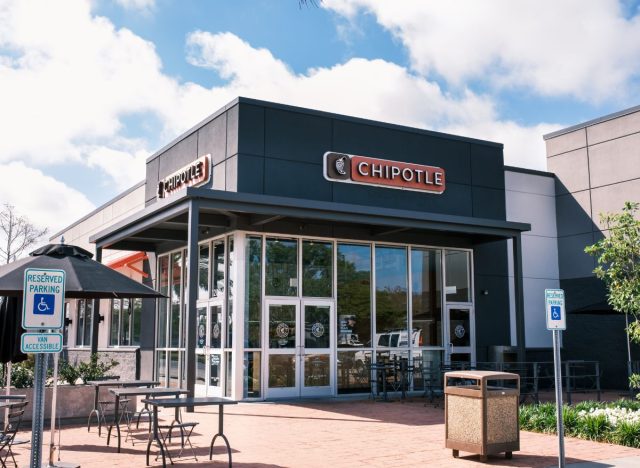
One such establishment frequently cited by consumers for its escalating costs is Chipotle Mexican Grill. Renowned for its build-your-own burrito and bowl concept, Chipotle carved out a niche as a fresh, customizable, and relatively quick option in the fast-casual segment. For years, its pricing was considered competitive, offering what many perceived as a healthy and substantial meal for under ten dollars. However, recent price adjustments have seen core menu items, such as chicken or vegetarian burritos and bowls, surpass the $10 mark in many regions. This crossing of a psychological price threshold has sparked considerable discussion among its loyal customer base. Patrons often express that while they appreciate the quality of ingredients and customization options, the incremental price increases, compounded over time, make the overall offering less appealing. Social media platforms are rife with comments from individuals lamenting that what was once a go-to affordable lunch has transitioned into a more occasional indulgence, particularly when factoring in extras like guacamole or queso, which further elevate the total bill. The implication for Chipotle is that its historical positioning as a value-driven, fresh-ingredient leader could be subtly undermined if customers begin to feel the cost no longer aligns with the perceived benefits, potentially prompting them to explore alternative dining options or prepare meals at home.
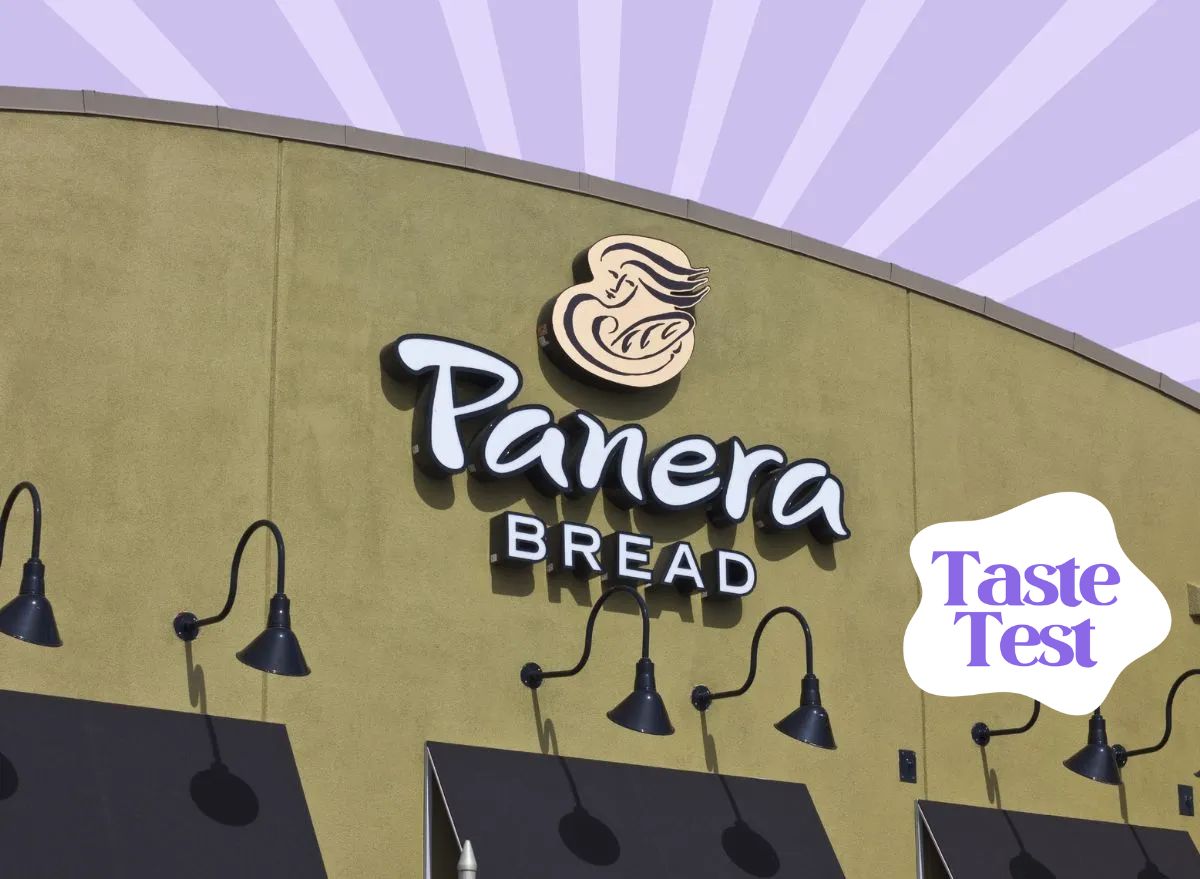
Similarly, Panera Bread, another prominent player in the fast-casual arena, faces a growing chorus of complaints regarding its pricing strategy. Panera built its brand around a "clean food" philosophy, offering a menu of soups, salads, sandwiches, and bakery items that appealed to health-conscious consumers seeking a step up from traditional fast food. For a period, customers felt the slightly higher price point was justified by the quality of ingredients and the comfortable cafe atmosphere. However, as prices have continued their upward climb, coupled with perceptions of changes in their ingredient sourcing or preparation practices, many diners now question whether the value holds. Online discussions frequently highlight the sentiment that Panera’s offerings, while still palatable, are now disproportionately expensive for the portion sizes or perceived quality. Some long-time customers express disillusionment, feeling that the chain has strayed from its core values, making the increased cost harder to rationalize. This shift in consumer perception could pose a challenge for Panera, as its ability to command premium pricing has historically relied heavily on its brand image and perceived commitment to quality and health.
The premium burger segment is not immune to this trend, with Five Guys frequently cited as an example where quality comes at a steep, and increasingly prohibitive, price. Known for its fresh, never-frozen burgers, customizable toppings, and generous servings of hand-cut fries, Five Guys has cultivated a reputation for delivering a superior fast-food experience. However, the cumulative effect of rising beef prices, potato costs, and labor expenses has pushed their menu prices to levels that some customers find difficult to justify, especially for a casual meal. Instances of receipts exceeding $60 for a family meal, or even $20 for a single combo, are becoming more common, leading to comparisons with full-service restaurants or more budget-friendly burger chains. While patrons generally acknowledge the quality of the food, the sticker shock often leads to a re-evaluation of its value proposition. The perception that one can get a comparable, if not superior, quantity of food at a significantly lower cost from competitors highlights a critical challenge for Five Guys: maintaining its premium positioning without alienating a customer base sensitive to price increases in the quick-service category. The brand must carefully balance its commitment to high-quality ingredients with consumer expectations for affordability in a competitive market.
In the realm of casual dining, Red Lobster has also found itself navigating turbulent waters, facing considerable customer feedback regarding its price points relative to perceived quality. Once a ubiquitous destination for accessible seafood, the chain has seen its value proposition questioned by a segment of its long-standing clientele. Global seafood markets are notoriously volatile, with prices influenced by everything from environmental factors to international trade agreements, directly impacting a seafood-centric menu. However, customer complaints extend beyond mere price increases, often encompassing a perceived decline in the quality and portion sizes of popular dishes. For instance, the "Walt’s Favorite Shrimp" — a staple offering — has been singled out by some diners who feel its current iteration and price no longer justify the expense, likening it to lower-grade frozen alternatives. This dual challenge of rising costs and a perceived dip in product quality creates a particularly difficult environment for Red Lobster, as it risks alienating customers who are unwilling to pay more for what they believe is a diminished experience. The chain’s ability to revitalize its menu, enhance its value proposition, and address these quality concerns will be crucial for its future stability in a highly competitive casual dining market.
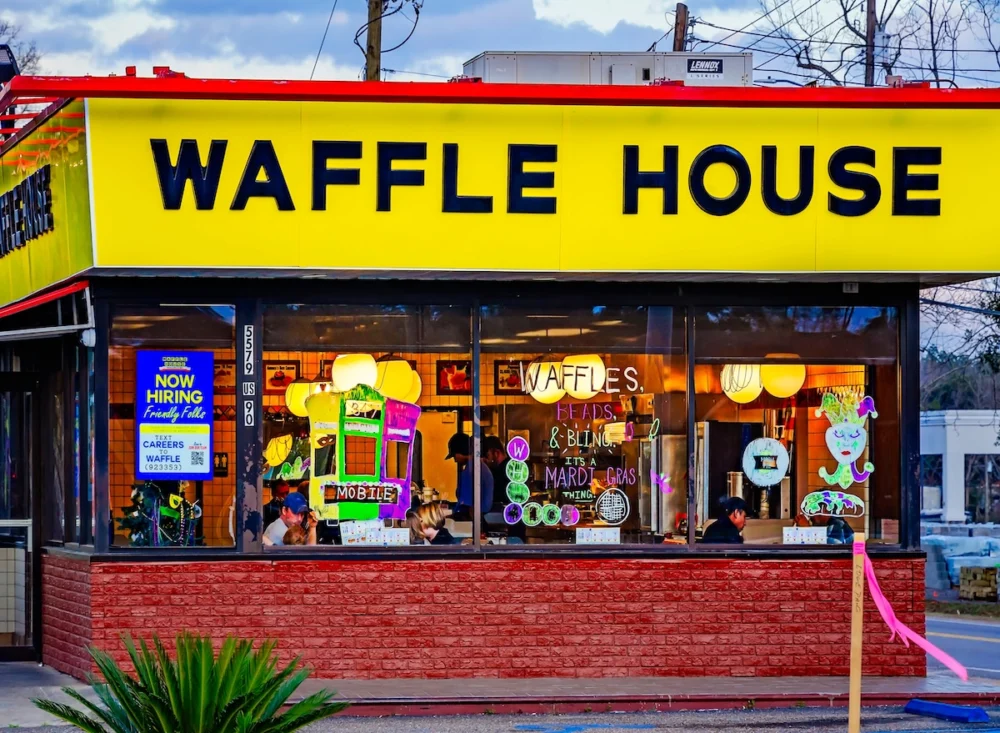
Finally, the beloved Southern institution, Waffle House, known for its round-the-clock service and comforting, affordable diner fare, has also entered the conversation regarding escalating prices. For decades, Waffle House symbolized a reliable, budget-friendly option for breakfast, lunch, or a late-night meal, often serving as a community hub. Its no-frills approach and consistent offerings made it a go-to for many seeking a hearty meal without breaking the bank. However, recent years have seen noticeable price hikes that have surprised and disappointed long-time patrons. The impact of rising labor costs, particularly for 24-hour operations, and increased ingredient expenses are significant for a business model built on affordability and high volume. Former employees have even weighed in online, suggesting that while food costs are inherently low for many of the diner’s staple items, operational and labor expenses are substantial. For many customers, the perception of Waffle House as an inexpensive comfort food haven is now being challenged, as prices for familiar items like waffles, hash browns, and breakfast platters have climbed to levels that feel out of sync with its traditional image. This shift risks eroding the very foundation of its appeal: dependable, affordable comfort.
The collective sentiment surrounding these chains underscores a broader consumer struggle in the face of persistent inflation. As dining out becomes more expensive, individuals are becoming more discerning, weighing the cost against the perceived value, quality, and overall experience. This trend has several potential implications for the restaurant industry. It could lead to a further polarization of the market, with consumers either gravitating towards true budget options or saving up for premium, experiential dining, leaving the middle ground of casual and fast-casual dining vulnerable. Chains that fail to justify their price increases through superior quality, enhanced service, or innovative offerings may see a decline in traffic and customer loyalty. Conversely, establishments that can effectively communicate their value proposition and demonstrate a commitment to quality, even amidst rising costs, may retain their customer base. Ultimately, the current economic climate demands that restaurant brands adapt their strategies, not just in terms of pricing, but in how they connect with consumers and reaffirm the enduring appeal of dining out. The ongoing challenge for these popular chains and the industry at large will be to strike a delicate balance between profitability and the imperative of delivering perceived value in an increasingly cost-conscious market.
About the Author