
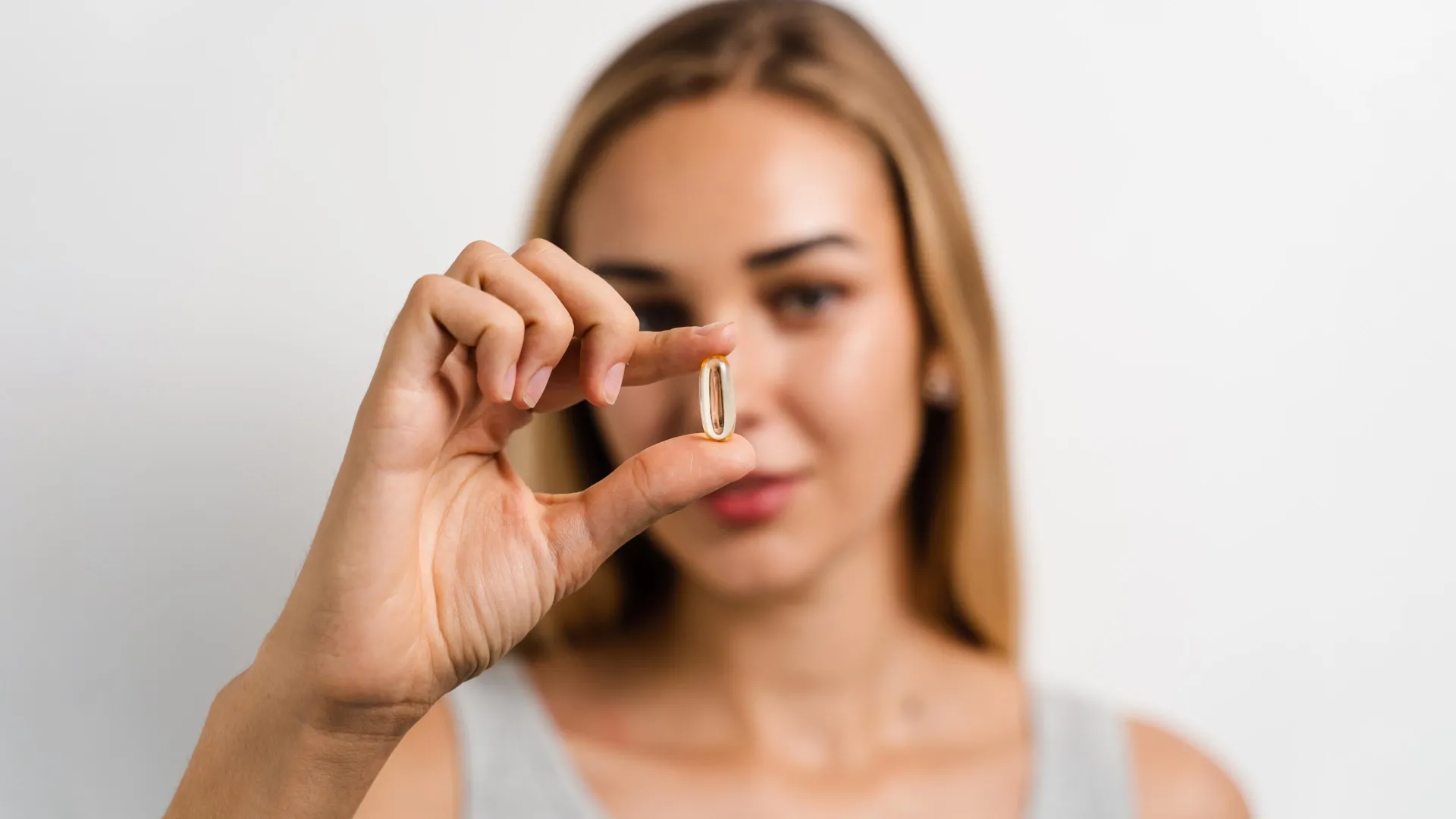
Dermatological professionals are expressing a measured view on the widespread adoption of oral collagen supplements as a definitive solution for mitigating the visible effects of skin aging, suggesting that current evidence does not overwhelmingly support their efficacy. While the concept of ingesting collagen to directly replenish diminishing levels in the skin is intuitively appealing, the scientific community, as represented by leading dermatologists, indicates that the reality is more complex and less conclusive than often portrayed. Dr. Farah Moustafa, an assistant professor of dermatology at Tufts University School of Medicine and a practicing dermatologist at Tufts Medical Center, articulates that ingestible collagen preparations are not presently recommended as a primary treatment for skin aging. She clarifies that while they might be considered as a complementary approach alongside more established and rigorously validated interventions, their independent effectiveness remains a subject of debate.
The existing body of scientific research examining the impact of oral collagen supplements on skin health presents a landscape of mixed findings, creating ambiguity for both consumers and clinicians. Some investigations have pointed towards potential benefits, particularly with specific forms of collagen such as hydrolyzed collagen, suggesting possible improvements in skin hydration and elasticity. However, these findings are not universally accepted, with other studies failing to corroborate these positive outcomes. Dr. Moustafa emphasizes the critical importance of evaluating the methodological quality of these studies. She highlights a recent comprehensive meta-analysis that scrutinized 23 randomized controlled trials, revealing a concerning trend: studies that reported favorable results for collagen supplementation were often found to be of lower quality. Furthermore, a significant proportion of these positively-biased studies were supported by funding from pharmaceutical entities with a vested interest in the product. In contrast, higher-quality research, which received funding from independent sources, did not identify any discernible benefits attributable to collagen supplementation. This disparity in findings, tied to research quality and funding bias, underscores the need for a more critical and evidence-based approach to understanding the true impact of these supplements.
To comprehend why oral collagen may not deliver the anticipated skin benefits, it is essential to understand collagen’s fundamental role within the human body and its digestive fate. Collagen is a foundational protein, forming a crucial structural component across numerous bodily tissues, including the skin, muscles, skeletal system, and connective tissues. It is the primary building block that provides strength, structure, and resilience. As individuals advance in age, a natural and inevitable decline in the body’s endogenous collagen production occurs. This reduction is a significant contributor to the observable hallmarks of aging, manifesting as the development of fine lines and wrinkles, a loss of skin firmness and elasticity, and increased susceptibility to joint discomfort and stiffness. The prevailing assumption among many consumers is that ingesting collagen will directly translate into increased collagen levels in these specific tissues. However, the physiological reality of digestion complicates this direct transfer. When collagen is consumed orally, it undergoes a breakdown process in the gastrointestinal tract, being hydrolyzed into smaller peptides and amino acids. These constituent components are then absorbed into the bloodstream. The critical point, as explained by Dr. Moustafa, is that this process does not result in the direct delivery of intact collagen molecules to target areas like the skin. Instead, the body utilizes these absorbed amino acids and peptides as building blocks, which can then be employed in the synthesis of new collagen, alongside other proteins, depending on the body’s specific needs and metabolic signals. Therefore, the direct replenishment of skin collagen through oral intake is not as straightforward as often perceived.
Beyond the efficacy debate, significant concerns regarding the safety and quality assurance of oral collagen supplements warrant careful consideration by consumers. Supplements derived from marine sources, such as fish, carry an inherent risk of contamination with heavy metals, notably methylmercury. This potential for toxicological exposure is a serious health consideration that is not always clearly communicated or adequately managed by manufacturers. Compounding this issue is the fundamentally different regulatory framework governing dietary supplements compared to pharmaceutical medications. Unlike prescription drugs, which undergo rigorous pre-market testing for both safety and efficacy mandated by regulatory bodies, dietary supplements are not subjected to the same level of scrutiny before they are introduced to the marketplace. This lack of stringent oversight means that the safety profile and claimed effectiveness of many supplements remain largely unverified. Dr. Moustafa points out that, according to the American Academy of Dermatology, a substantial majority of oral collagen supplements currently available to consumers lack independent third-party verification of their contents and purity. Furthermore, clear and comprehensive ingredient information is often absent or ambiguous, leaving consumers with limited transparency about what they are actually consuming and the potential risks involved.
Given these limitations and concerns, dermatological experts strongly advocate for strategies that foster the body’s intrinsic capacity to produce and maintain its own collagen. The cornerstone of this approach lies in optimizing dietary habits to provide the essential nutritional substrates required for endogenous collagen synthesis. Dr. Moustafa recommends ensuring an adequate intake of dietary protein, which serves as the primary source of amino acids necessary for protein construction. Equally vital is the consumption of foods rich in vitamin C, a critical cofactor in the enzymatic reactions involved in collagen formation. Excellent sources of vitamin C include readily available items such as strawberries, kiwis, red bell peppers, and various citrus fruits. A well-balanced and nutrient-dense diet can therefore significantly contribute to supporting the body’s collagen production pathways.
Furthermore, adopting specific daily lifestyle habits can play a profoundly impactful role in preserving existing collagen and preventing its premature degradation. Foremost among these is diligent sun protection. Ultraviolet (UV) radiation from the sun is a well-established aggressor that can damage collagen fibers, accelerating the aging process and contributing to wrinkles and loss of elasticity. Consistent application of broad-spectrum sunscreen is therefore paramount. Additionally, the regular use of topical retinoids, such as retinol and prescription-strength retinoids, has been scientifically validated to stimulate collagen production and improve skin texture and appearance. Finally, abstaining from smoking is another critical lifestyle modification. Tobacco smoke contains numerous toxins that can impair collagen synthesis, increase oxidative stress, and lead to the breakdown of collagen and elastin, thereby exacerbating the signs of aging. By focusing on these evidence-based strategies, individuals can more effectively support their skin’s health and resilience, rather than relying on supplements with unproven benefits and potential risks. Farah Moustafa, MD, FAAD, serves as an assistant professor at Tufts University School of Medicine and practices dermatology at Tufts Medical Center, contributing her expertise to the understanding and treatment of skin conditions.
About the Author












