
As individuals transition beyond the age of 55, maintaining a robust level of physical activity becomes increasingly vital for overall well-being, longevity, and preserving functional independence. While regular walking is widely recognized as an accessible and beneficial form of exercise, incorporating an incline can significantly amplify its physiological advantages, offering a more potent strategy for enhancing cardiovascular fitness, building muscular strength, and effectively managing body composition, particularly reducing abdominal fat. This specialized approach, championed by fitness professionals, transforms a routine stroll into a dynamic workout tailored to address the unique health requirements of an aging population.

Keri Anderson, a certified personal trainer at Life Time Plymouth in Minnesota, emphasizes the profound benefits of integrating incline walking into a fitness regimen for older adults. Her insights underscore that this modified form of ambulation not only elevates the training effect without necessitating increased speed but also offers a myriad of health improvements that flat-ground walking alone may not fully achieve. For those seeking to maximize their exercise efficiency and health outcomes, understanding the underlying physiological mechanisms and adopting structured incline routines is paramount.
The Physiological Edge: Why Uphill Movement Matters After 55

The rationale behind prioritizing incline walking for individuals over 55 stems from several key physiological advantages. The aging process often brings about changes such as a decline in muscle mass (sarcopenia), decreased bone density, altered metabolism, and an increased propensity for fat accumulation, especially visceral fat around the abdomen, which is metabolically detrimental. Incline walking directly counters many of these age-related challenges:
-
Elevated Cardiovascular System Engagement with Reduced Impact: One of the primary benefits highlighted by Anderson is the capacity of incline walking to increase heart rate more efficiently. By simulating an uphill climb, the cardiovascular system is challenged at a manageable pace, preventing the high-impact stress on joints typically associated with faster running or jogging. This allows individuals to enter the "slightly breathless zone"—a crucial indicator of effective cardiorespiratory training—thereby improving heart health, lung capacity, and overall stamina, all while minimizing the risk of musculoskeletal injury. The increased workload on the heart and lungs, even at a moderate speed, contributes to a stronger, more resilient circulatory system.

-
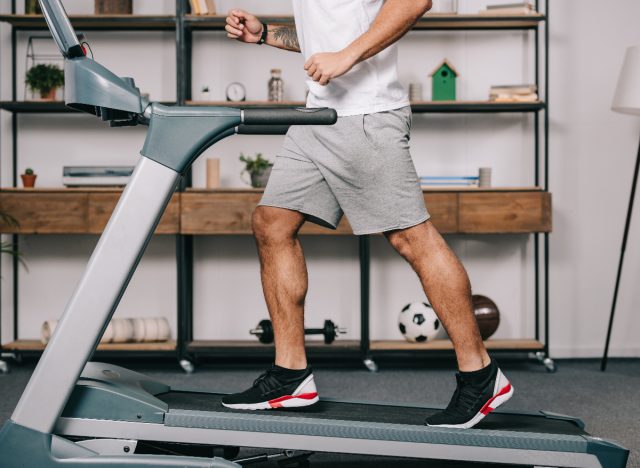
Superior Muscle Recruitment and Strength Preservation: Incline walking inherently activates a broader and more intensive array of lower-body muscle groups compared to flat walking. Specifically, the gluteal muscles (buttocks), hamstrings (back of the thighs), and calves are engaged more vigorously to propel the body upward. This targeted muscle activation is critical for combating sarcopenia, the age-related loss of muscle mass and strength. Maintaining robust lower-body musculature is foundational for preserving balance, improving posture, and ensuring functional independence in daily activities such as climbing stairs, rising from a chair, or recovering from a stumble. Anderson strongly advises against holding onto treadmill rails during incline walks, as doing so diminishes the engagement of the legs and core, negating many of these strength-building benefits. Proper form ensures the intended muscles perform the work.
-
Enhanced Metabolic Activity and Visceral Fat Reduction: The increased muscular effort and elevated heart rate during incline walking translate directly into higher caloric expenditure over the same duration compared to flat walking. This amplified energy usage is a powerful tool for healthy weight management and for improving body composition over time. Critically, incline walking contributes to the reduction of visceral fat—the deep abdominal fat that surrounds internal organs. Visceral fat is particularly concerning for older adults as it is strongly linked to an increased risk of chronic conditions such as type 2 diabetes, heart disease, and certain cancers. By actively burning more calories and engaging larger muscle groups, incline walking helps shift the body towards a healthier fat-to-muscle ratio.
-
Improved Balance and Postural Stability: As individuals age, changes in posture and balance become more prevalent, increasing the risk of falls. Incline walking, especially when performed with a focus on form, strengthens the core and posterior chain muscles, which are vital for maintaining an upright posture and stable gait. The continuous challenge to balance on an uneven (simulated) surface enhances proprioception—the body’s sense of its position in space—further reducing fall risk and promoting greater confidence in movement.
Structured Incline Walking Regimens: Protocols for Enhanced Health

To harness these advantages, Keri Anderson outlines five distinct incline walking protocols designed to target various aspects of fitness and health for adults over 55. These plans offer a progressive approach, allowing individuals to adapt and challenge themselves safely.
-
Steady Incline Endurance Protocol:
This foundational workout focuses on building sustained cardiovascular stamina and muscular resilience. Set the treadmill to a moderate incline of 4% to 6% and maintain a pace where you can converse in short sentences but still feel a tangible level of exertion. Continue this for 20 to 30 minutes. This method effectively enhances cardiorespiratory endurance and fortifies the glutes and hamstrings, all without imposing the high-impact stress of jogging on joints. It serves as an excellent benchmark for individuals to discover their capabilities beyond flat-ground walking, reinforcing that age 55 is far from a limitation.
-
Dynamic Incline Interval Training:
Interval training, even at a walking pace, is highly effective for improving fitness levels. This regimen involves alternating periods of higher intensity with recovery phases. Begin by walking for two minutes at a challenging incline of 7% to 10%. Follow this with a two-minute recovery period at a gentler incline of 2% to 3%. Repeat this cycle for 5 to 8 rounds. These intervals are expertly designed to safely elevate your heart rate into that beneficial "slightly breathless" zone, which is optimal for fostering heart health and promoting fat loss, without requiring prolonged, exhausting efforts. This strategic fluctuation in intensity is where genuine fitness improvements begin to manifest, pushing boundaries just beyond one’s immediate comfort level. -
Posture and Core-Focused Uphill Walk:
This specialized workout emphasizes form and targeted muscle activation to counteract common age-related postural changes. Set the treadmill to an incline of 5% to 7% and slightly reduce your pace. The core focus here is on maintaining an upright, "tall" posture, gently engaging the abdominal muscles, and consciously driving power through your heels with each step. This should be sustained for 10 to 15 minutes. To further activate often-underutilized muscles, incorporate 10 to 20-second glute squeezes every few minutes. This practice helps "awaken" the gluteal muscles that can become less active with age, transforming a simple walk into a potent session for strengthening the core and improving posture, thereby mitigating the forward rounding often observed in older adults.
-
Progressive Gradient Ascent and Descent:
This exercise mirrors the experience of navigating natural outdoor terrain with varying elevations. Start with a modest 3% incline. Every 2 to 3 minutes, increase the incline by 1% to 2% until you reach a peak incline of 10% to 12%. Once the peak is reached, gradually decrease the incline back down. If your treadmill is equipped with a decline feature, conclude the workout with 2 to 3 minutes at a slight negative incline. The entire session should last approximately 20 minutes. This protocol not only enhances leg strength and cardiovascular health but also significantly improves balance by challenging the body’s stability during both uphill (concentric muscle work) and downhill (eccentric muscle work) movements, all in a manner that is gentle on the joints. -
Short, High-Incline Muscular Reinforcement Repeats:
Designed to build and maintain crucial lower-body muscle strength, this routine involves short, intense bursts of incline walking. Walk at a demanding incline of 9% to 12% for a duration of 30 to 60 seconds. Following this high-effort period, reduce the incline to 2% to 3% for 1 to 2 minutes to allow for active recovery. Repeat this sequence 6 to 10 times. These concentrated "climbs" are particularly effective at preserving muscle mass in the lower body, especially the glutes. Strong glutes are indispensable for maintaining robust balance, supporting a healthy metabolism, and facilitating everyday movements such as climbing stairs, playing with grandchildren, and generally navigating the demands of an active life.
Crucial Considerations for a Safe and Effective Practice
While incline walking offers substantial benefits, particularly for individuals over 55, certain precautions and best practices should be observed to ensure safety and maximize effectiveness.

- Medical Consultation: Always consult with a healthcare provider or physician before initiating any new exercise program, especially if you have pre-existing health conditions, chronic pain, or are new to regular physical activity.
- Gradual Progression: Start with lower inclines and shorter durations, gradually increasing both as your fitness improves. Rushing into high intensities can lead to injury or undue strain.
- Proper Footwear: Wear supportive athletic shoes that provide adequate cushioning and stability to protect your feet and joints.
- Hydration: Maintain proper hydration before, during, and after your workout.
- Listen to Your Body: Pay close attention to any signals of discomfort or pain. Exercise should feel challenging but not painful. If you experience sharp pain, dizziness, or unusual fatigue, stop immediately.
- Consistency is Key: The most significant benefits are realized through regular and consistent engagement. Aim for these incline walking sessions multiple times per week, complementing them with other forms of physical activity.
In conclusion, for individuals over 55 seeking to elevate their fitness, improve their body composition, and enhance their overall health, incline walking presents a powerful, low-impact solution. By strategically engaging more muscle groups and optimizing cardiovascular effort, it offers a sustainable pathway to greater strength, improved balance, and a more active, independent lifestyle for decades to come. Embracing the uphill advantage is not merely about exercise; it’s about investing in a vibrant future.
About the Author