Cardiometabolic diseases, encompassing conditions like heart disease, stroke, type 2 diabetes, and obesity, represent a significant global health challenge, placing immense strain on healthcare systems and diminishing quality of life for millions. As scientific understanding evolves, the spotlight increasingly turns to dietary interventions as a cornerstone of both prevention and management strategies. In this context, a recently published comprehensive scientific review has meticulously synthesized an extensive body of research, bringing into sharper focus the potential contributions of wild blueberries to various facets of human health, particularly within the cardiometabolic sphere, but also extending to gut and cognitive well-being.
This landmark review, featured in the esteemed journal Critical Reviews in Food Science and Nutrition, originated from an expert symposium convened by the Wild Blueberry Association of North America (WBANA) in Bar Harbor, Maine. The assembly gathered a distinguished panel of twelve specialists, whose expertise spanned critical domains including nutrition, food science, dietetics, nutritional metabolism and physiology, cardiovascular and cognitive health, and the intricate fields of gut health and microbiology. Their collective insights drew from both preclinical and clinical research paradigms. While participants received logistical support for their attendance, it is important to note that no financial remuneration was provided for the subsequent drafting or development of the review manuscript itself, underscoring the independent scientific integrity of the publication process. This multi-disciplinary approach ensured a holistic evaluation, crucial for understanding complex biological interactions.
The analytical scope of the paper was notably broad, encompassing a rigorous examination of twelve human clinical trials specifically investigating the cardiometabolic impacts of wild blueberries. These trials, conducted over a substantial period of 24 years across four different nations, represent a significant investment in long-term, diverse research. Furthermore, the authors extended their scrutiny to dozens of other relevant clinical, translational, and mechanistic studies, which explored outcomes associated with both wild and cultivated blueberry varieties across a spectrum of cardiometabolic markers. This extensive literature review provides a robust foundation for drawing conclusions, allowing for the identification of consistent patterns and areas requiring further investigation. The inclusion of mechanistic studies is particularly vital, as they help elucidate the underlying biological pathways through which these fruits exert their beneficial effects, moving beyond mere correlation to understand causation.
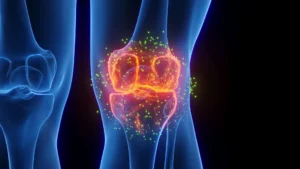
Among the myriad findings, the most robust and consistently observed evidence points towards significant enhancements in vascular endothelial performance. Endothelial function, referring to the ability of blood vessels to relax and contract properly in response to various stimuli, is a critical determinant of cardiovascular health. A healthy endothelium maintains vascular tone, regulates blood flow, prevents clot formation, and plays a key role in inflammatory responses. Impaired endothelial function is an early indicator and crucial component in the development of atherosclerosis, hypertension, and other cardiovascular diseases. The reviewed studies indicated that wild blueberries may bolster this vital function, with some research detecting positive alterations within mere hours of a single serving, while others reported sustained benefits following consistent daily intake over periods ranging from several weeks to multiple months. This dual observation—both acute and chronic effects—is particularly compelling, suggesting both immediate physiological responses and long-term adaptive changes.
Beyond the direct vascular benefits, the review delves into the increasingly recognized role of the gut microbiome as a mediator of health. Wild blueberries are rich in dietary fiber and unique polyphenolic compounds, particularly anthocyanins. Unlike many other dietary components, a substantial proportion of these beneficial compounds, estimated at approximately 90-95%, largely bypass digestion and absorption in the small intestine, reaching the colon relatively intact. Once in the large intestine, they encounter the vast and diverse community of gut microbes. These bacteria then metabolize the complex fibers and polyphenols, transforming them into a variety of bioactive metabolites. These microbial byproducts, often referred to as postbiotics, can then be absorbed into the bloodstream, potentially accounting for as much as 40% of the circulating active compounds detected after consuming polyphenol-rich foods like wild blueberries. This highlights the symbiotic relationship between diet, gut microbiota, and systemic health. One notable six-week clinical study featured in the review specifically demonstrated that adults consuming 25 grams of freeze-dried wild blueberry powder daily experienced a measurable increase in beneficial Bifidobacterium species, known for their positive contributions to gut integrity and immune modulation. While the review strongly implicates the gut microbiome as a key contributor to the berries’ cardiometabolic and broader health effects, the authors prudently emphasize the ongoing need for additional research to precisely delineate the intricate mechanisms by which this microbial transformation translates into systemic benefits.
The scope of potential benefits extends beyond the cardiovascular system and gut, with the review also synthesizing intervention studies in older adults that suggest a positive impact of wild blueberry consumption on certain aspects of cognitive performance. Improvements were specifically observed in critical areas such as thinking speed and memory recall. These cognitive enhancements are hypothesized to be intricately linked to the improvements in whole-body circulation and the broader cardiometabolic advantages conferred by the berries. Enhanced blood flow to the brain ensures optimal delivery of oxygen and nutrients, and efficient removal of metabolic waste products, all of which are crucial for maintaining neuronal health and cognitive function. Similar to vascular effects, these cognitive benefits were reported following both acute, single-serving interventions and more prolonged, regular intake, indicating a versatile impact on brain health.
While vascular improvements garnered the strongest evidence, the review also identified encouraging trends regarding traditional cardiometabolic markers such as blood pressure, blood lipids (including total cholesterol, LDL cholesterol, and triglycerides), and blood sugar regulation. For individuals already presenting with elevated cardiometabolic risk factors, several studies within the review reported clinically meaningful improvements in these parameters following weeks of consistent wild blueberry consumption. "Clinically meaningful" implies changes that are significant enough to impact disease progression or risk, rather than just statistically significant differences. These findings hold significant public health implications, suggesting a potential role for wild blueberries in the dietary management or prevention of metabolic syndrome, pre-diabetes, and hyperlipidemia.
The authors, however, also highlighted that individual responses to dietary interventions can vary considerably. Factors such as baseline health status, co-existing medical conditions, concurrent medication use, overall dietary patterns, and individual differences in metabolism and gut microbiome composition can all influence the observed outcomes. This variability underscores the growing recognition of personalized nutrition, moving away from a "one-size-fits-all" approach. Consequently, future research efforts are encouraged to focus on identifying specific "responders" to wild blueberry interventions, determining optimal doses and food forms (e.g., fresh, frozen, powdered extracts), and expanding the range of biomarkers examined to gain a more comprehensive understanding of their systemic effects. This includes exploring genetic predispositions and more sophisticated metabolic profiling.
One of the most compelling aspects emphasized by Dr. Sarah A. Johnson, a registered dietitian nutritionist and Associate Professor at Florida State University, and a lead author of the review, is the multi-faceted nature of wild blueberries’ health benefits. "What makes wild blueberries remarkable is that they contain numerous polyphenols and nutrients and don’t appear to exert their health benefits through just one mechanism," Dr. Johnson explained. "The evidence suggests these berries may support multiple biological pathways relevant to cardiometabolic health, from blood vessel function to inflammation and oxidative stress, with effects that can vary from person to person. Recent research on the role of the gut microbiome in determining their health benefits is exciting and may help researchers determine ways to support the gut microbiome to enhance their health benefits." The review specifically outlines several potential biological pathways, including the nitric oxide signaling pathway, which is crucial for vasodilation and healthy circulation; pathways related to the modulation of inflammation and oxidative stress, both key drivers of chronic disease; lipid and glucose metabolism regulation; and direct or indirect interactions with the gut microbiome. This intricate interplay of mechanisms suggests a synergistic effect of the berries’ diverse bioactive compounds.
From a practical standpoint, the studies reviewed indicated that health benefits were consistently observed with regular intake over several weeks or months, using realistic serving sizes. In tangible terms, this often translates to consuming approximately one cup of wild blueberries per day. Given that the majority of the wild blueberry harvest is processed and sold frozen, these berries offer unparalleled convenience. They are readily available year-round, simple to store, and highly versatile, making them an accessible addition to a daily diet. They can be effortlessly incorporated into a variety of meals and snacks, from enriching smoothies and oatmeal to topping yogurt, salads, or being baked into healthy goods.
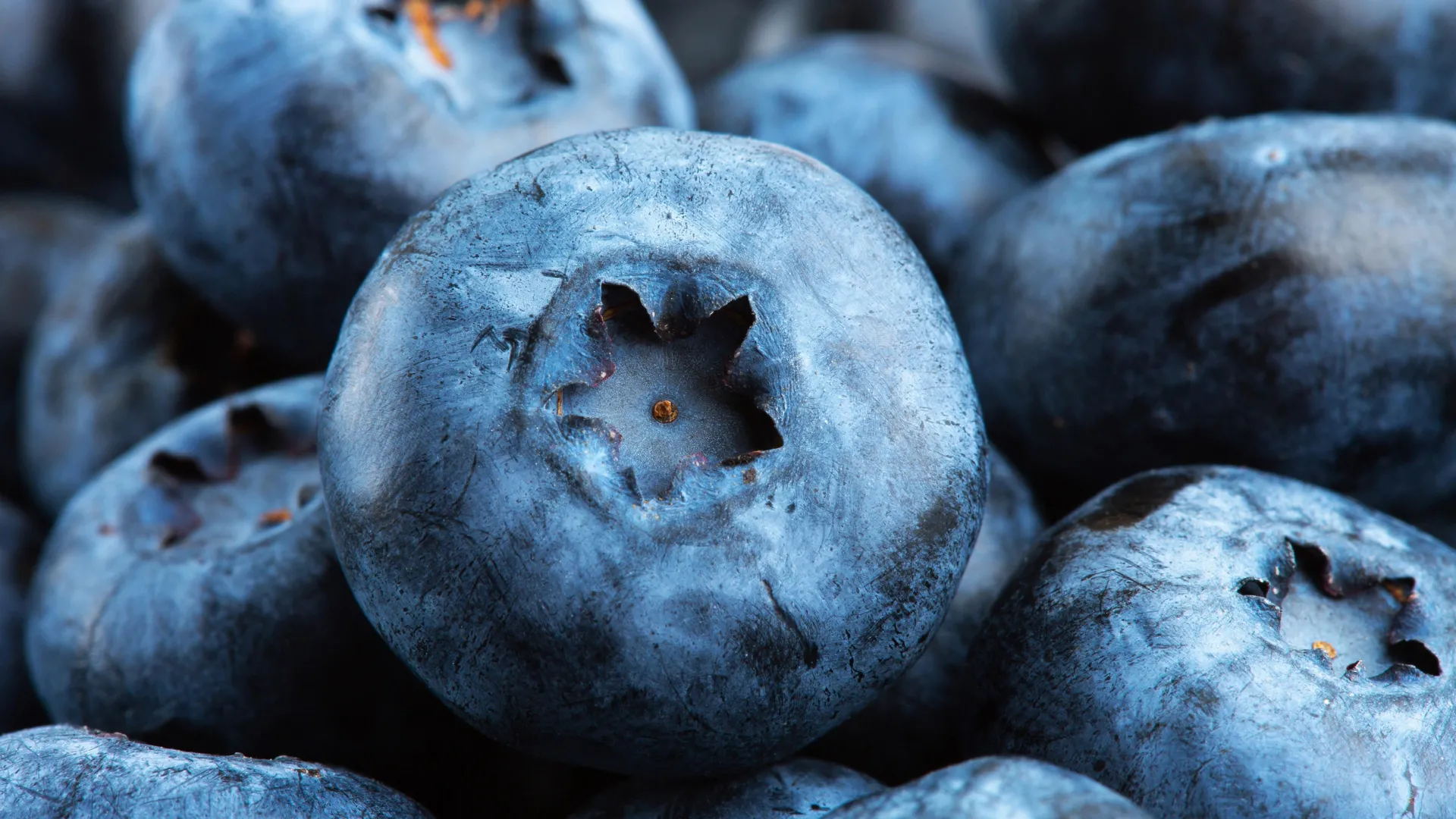
What truly distinguishes wild blueberries, sometimes referred to as lowbush blueberries, is their unique botanical and geographical profile. Primarily cultivated in the challenging environmental conditions of Maine and Eastern Canada, these resilient plants thrive despite harsh winters and acidic soils. These environmental stressors are thought to stimulate the plants to produce a richer and more diverse array of protective compounds, particularly polyphenols such as anthocyanins. Wild blueberries are notable for containing an impressive spectrum of approximately 30 different anthocyanin forms, which are potent antioxidants responsible for their characteristic deep blue-purple hue. This distinct phytochemical composition is believed to contribute significantly to their enhanced health benefits compared to cultivated varieties. As Dr. Dorothy Klimis-Zacas, a Professor of Clinical Nutrition at the University of Maine and co-lead author of the study, observes, "Wild blueberries have been valued by people for thousands of years. Traditional knowledge recognized their value, and today’s research continues to explore how the unique composition of wild blueberries may support health when eaten as part of an overall balanced diet." This sentiment beautifully encapsulates the convergence of ancient wisdom and cutting-edge scientific inquiry in validating the profound health potential of these diminutive yet powerful fruits.
About the Author